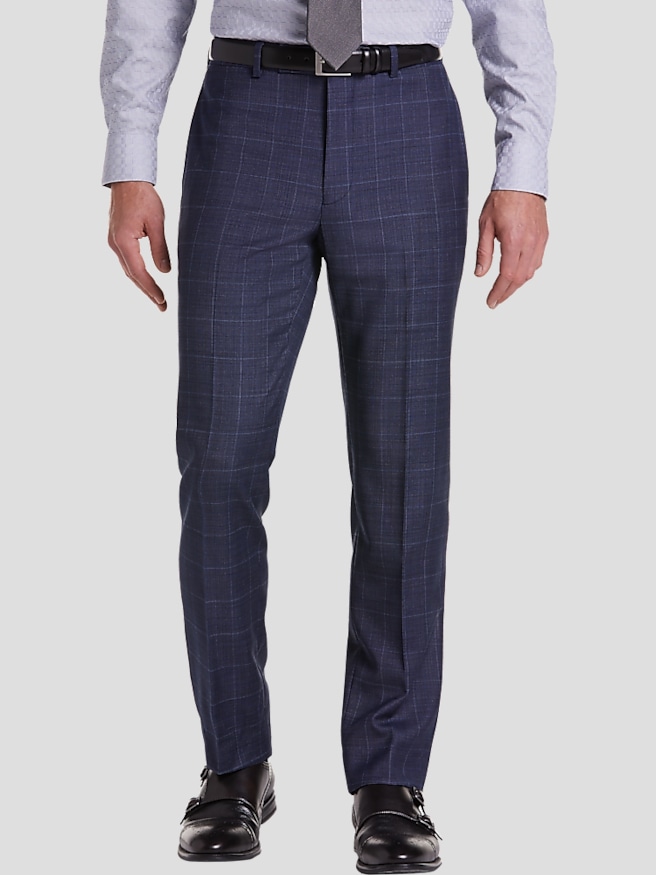
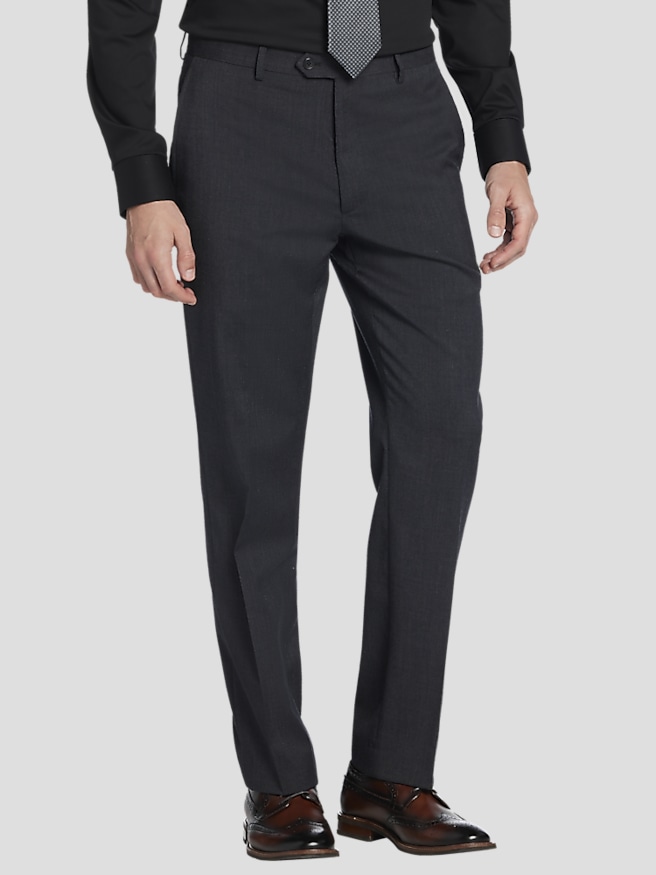
Slim-fit gray wool trousers offer a clean, tailored shape that works with dress shirts, sport coats, and polished knitwear without making every outfit feel like a full suit. Their appeal comes from the combination of a neutral color, a narrower leg, and fabric that drapes rather than clings. Gray has more range than its understated reputation suggests: pale shades create a softer contrast with navy or dark brown, medium gray pairs easily with white and blue shirts, and charcoal brings a sharper look to business meetings and evening dinners. Within the broader category of Men's Grey Wool Trousers, a slim fit emphasizes a closer line through the seat and thigh, usually with a tapered leg opening. The result should look defined, not squeezed. Fabric makes a noticeable difference in how that silhouette behaves. Worsted wool, made with combed fibers and typically finished with a smooth surface, often gives trousers a crisp appearance suited to professional settings. Wool fabrics with a brushed finish have a softer texture that pairs naturally with suede shoes, textured jackets, and fine-gauge sweaters. A subtle weave or heathered color can add depth while remaining easy to coordinate. Wool is valued for its drape, resilience, and ability to release some light wrinkles after resting, though construction, fabric weight, and finishing all influence performance. Wool blends may incorporate fibers that contribute stretch, strength, or a distinct surface feel; the fiber-content label provides a clearer picture than the word “wool” alone. A small amount of stretch can make sitting and walking more comfortable, but it does not replace a well-proportioned cut. For an office presentation, a smooth gray trouser with a pressed crease creates a composed foundation. For dinner afterward, the same general silhouette can look less formal with an open-collar shirt and loafers. Gray trousers worn with a contrasting jacket create a coordinated separates outfit, not a matching suit, which matters when an invitation specifies a particular level of formality.
The best slim fit leaves enough space for ordinary movement while keeping excess fabric under control. At the waist, trousers should sit securely at their intended rise without needing a tightly cinched belt to hold them in place. The waistband should remain comfortable when seated, and the front closure should lie flat rather than pull open or form pronounced tension lines. Through the seat and upper thigh, the fabric should follow the body without gripping it. Pockets that flare outward, horizontal pulling across the hips, or fabric that catches behind the knees can signal that the cut is too narrow, even when the waist measurement seems correct. Slim does not mean the same thing across every pattern, so waist size alone cannot describe the whole fit. Rise, thigh room, knee width, and leg opening all affect how trousers look and feel. Someone with more developed thighs may need additional room above the knee while still preferring a tapered lower leg. A person who spends much of the day seated may find that a slightly higher rise feels more secure and keeps a tucked shirt in place more comfortably. Length is equally important to the finished silhouette. A hem that just meets the shoe produces a clean line, while a slight break adds a little softness at the ankle. Excess length can create bunching that hides the taper and makes otherwise well-fitting trousers look less precise. Shoe shape also changes the balance: a narrow leg opening tends to sit more neatly over streamlined loafers or lace-ups than over substantial footwear. Tailoring can refine the hem and, depending on construction and seam allowance, certain waist or leg measurements, but major fit problems are better addressed through the underlying cut. A useful fit check includes walking, sitting, and bending the knees, not simply standing in front of a mirror. The trousers should return to a smooth line without constant tugging or adjustment, and a straight crease should remain visually centered down the leg rather than twisting toward either side.
Care and construction help determine how well gray wool trousers hold their appearance through repeated wear. A smooth lining can reduce friction and improve comfort, while neatly finished seams, secure pocket openings, and a well-supported waistband contribute to a tidy finish. Finer-feeling cloth is not automatically the most durable choice for frequent wear; weave, yarn, fabric weight, and the amount of friction at the seat and inner thigh all matter. Rotating trousers between wears gives the fabric time to rest and helps avoid concentrating wear on a single pair. After use, emptying pockets and hanging the trousers neatly can prevent stretched pocket bags and unnecessary creases. A suitable trouser hanger, whether supporting the waistband or allowing a smooth fold over a broad bar, helps preserve their shape. Gentle brushing with a clothing brush can lift surface dust before it settles into the cloth. Cleaning should follow the sewn-in care label, since wool fabrics, blends, linings, and internal construction do not all tolerate the same treatment. Machine washing or tumble drying without label approval can shrink or distort tailored trousers. Professional cleaning may be appropriate when specified, but cleaning after every brief wear is generally unnecessary unless the trousers are soiled. Spills deserve prompt attention: blotting rather than rubbing helps limit spreading and surface damage. Pressing also calls for care, because excessive heat or direct pressure can leave shine, particularly on darker gray fabrics. A pressing cloth and fabric-appropriate settings can help when home pressing is permitted. For travel, folding along the existing crease and avoiding an overpacked bag can reduce hard wrinkles. These practical details support trousers intended for recurring office wear, client lunches, ceremonies, and other occasions where a polished appearance matters. As a gift, slim-fit wool trousers are most straightforward when the recipient’s measurements and preferred rise are already known. The strongest choice is ultimately one that balances appearance with daily comfort: fabric that hangs cleanly, enough room to move, and a gray shade that works naturally with the shirts, jackets, and shoes already in regular use.