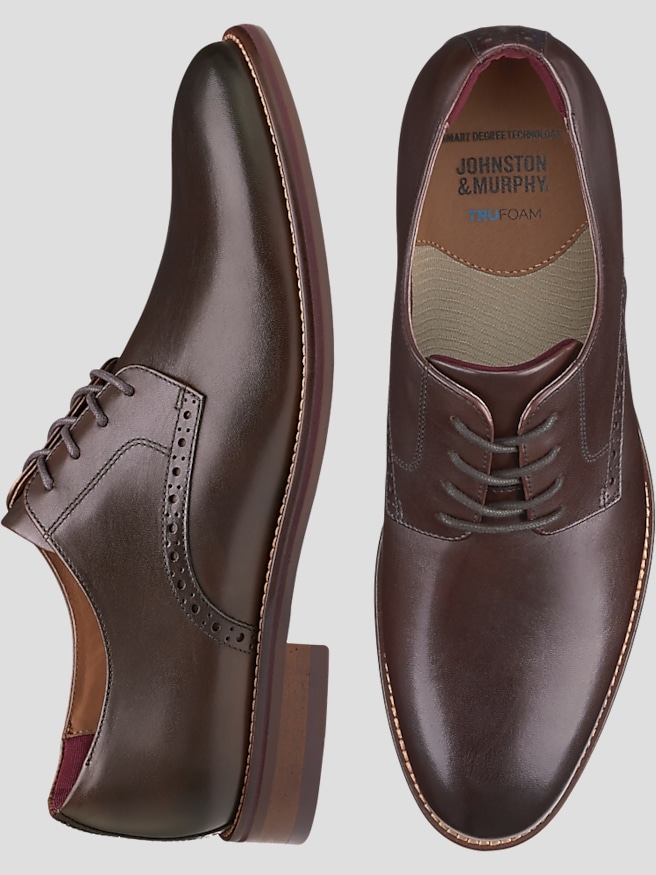
Size 9 wide shoes for Valentine's Day pair occasion-ready style with the extra room that a broader foot may need. For men who normally wear a US size 9 wide, the right pair should feel comfortable through dinner, a show, and the walk between destinations without looking oversized or overly casual. A wide width provides more room than a standard width in the same size, although the shape and amount of space vary by maker and shoe design. That distinction matters with dress shoes, where a sleek outline can sometimes disguise a narrow forefoot. A rounded or softly almond-shaped toe can complement tailored trousers while leaving a more natural shape around the toes; an exaggerated pointed toe may create unnecessary length without providing useful room. The occasion also leaves plenty of room for personal style. Black leather works naturally with charcoal tailoring and more formal evening outfits, while brown shades complement navy, textured jackets, and relaxed dinner looks. Burgundy can add a subtle Valentine's Day connection without turning the whole outfit into a holiday costume. Red or pink accents can stay in a tie, pocket square, or socks, letting the shoes remain useful for weddings, anniversaries, and evenings out long after the celebration. Lace-up dress shoes give a polished finish to a suit, while loafers can make an open-collar shirt and tailored pants feel considered rather than stiff. The setting helps establish the balance: a candlelit restaurant may call for a clean, refined silhouette, while a casual dinner followed by live music may suit a less formal profile with a flexible sole. Shoes do not need festive decorations to belong to the occasion. A well-kept finish, balanced proportions, and a comfortable fit often do more for an outfit than a conspicuous detail, especially when the evening includes time both seated at a table and standing together afterward. Ideally, the footwear supports the plans instead of becoming the thing its wearer notices most.
Fit deserves particular attention because length, width, and interior volume are related but separate measurements. A size 9 wide should accommodate the foot across its broadest area without forcing the wearer into a longer size just to reduce pressure. The ball of the foot should sit near the shoe's natural flex point, the toes should have room to move, and the heel should feel secure without rubbing. A little space beyond the longest toe is normal, especially in a tapered dress silhouette, but sliding forward or gripping with the toes can signal a poor match. Wide feet are not all shaped alike: one person may need space mainly across the forefoot, while another may also need more room over the instep. Open-lacing designs can offer more adjustment over that area, whereas a loafer depends more heavily on the match between the foot and the shoe's fixed opening. Trying shoes with the socks intended for the occasion helps make that assessment more realistic. Thin dress socks and thicker casual socks take up different amounts of room, and an added insole can reduce usable space inside the shoe. Materials influence the feel as well. Smooth leather can develop modest flexibility with wear, but it should not have to stretch enough to rescue a painfully tight fit. Suede brings a softer texture that works well with less formal tailoring, while patent finishes create a sharper, more ceremonial effect. Lining materials, interior seams, and the firmness of the heel counter also affect comfort during a longer evening. Cushioning can soften the step, but extra padding does not replace adequate width or a stable fit. A few natural steps reveal more than a seated try-on: the upper should bend comfortably, the foot should remain supported, and no edge should press insistently against the toes. Those practical details help dress shoes feel appropriate for an entire Valentine's Day outing, not just the first photograph before leaving home.
Thoughtful construction and routine care help occasion footwear become a lasting part of a wardrobe rather than something worn once and forgotten. Even stitching, neatly finished edges, and a secure connection between the upper and sole are useful details to examine. Sole material affects intended use: leather soles have a traditional dress appearance, while rubber soles may provide additional grip and flexibility, depending on their design. Neither material guarantees comfort or traction in every setting, so the overall construction matters more than a single feature. For an evening that includes walking several blocks or standing through a performance, a stable heel and a sole that bends naturally can be especially welcome. After wear, smooth leather benefits from gentle cleaning and a conditioner appropriate to its finish, followed by suitable polish when needed. Suede requires a dedicated brush and care products intended for its nap; ordinary shoe cream can change its appearance. Patent and coated finishes need their own compatible cleaning methods rather than the same treatment used for uncoated leather. Allowing shoes to dry naturally, keeping them away from direct heat, and using properly sized shoe trees can help preserve their shape. Alternating pairs between outings also gives the interior time to air out. As a Valentine's Day gift, footwear is most personal when it reflects both the recipient's taste and an established fit. A husband or partner who consistently wears size 9 wide is more likely to appreciate familiar proportions and a versatile color than a dramatic style that feels unlike anything else in his closet. Checking the size and width marked inside a well-fitting pair provides a useful starting point, though sizing can still vary between designs. For a recipient whose established size is longer, Size 10 Dress Shoes For Valentine's Day provides a separate size-focused path. The meaningful choice is footwear that suits the person, feels good through the planned celebration, and remains easy to wear for the next special evening.