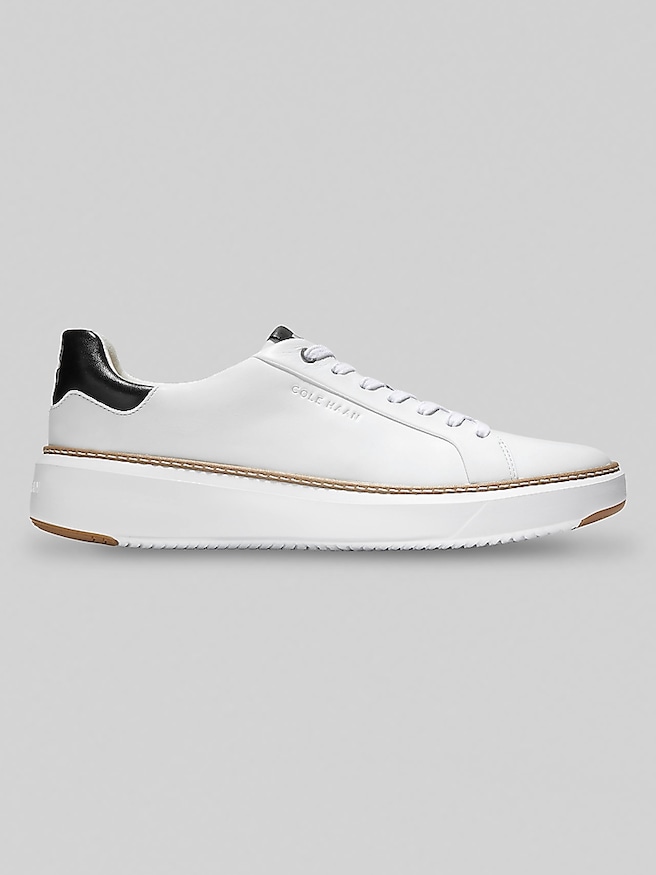
Size 8 dress shoes put the finishing touch on tailoring, but the right pair should feel as considered as the suit itself. A clean silhouette, balanced proportions, and a comfortable fit all contribute to footwear that works for business meetings, wedding celebrations, and dinners that call for something sharper than sneakers. Within men’s dress footwear, an oxford’s closed lacing creates a streamlined appearance that complements a tailored suit, while the more open construction of a derby allows greater adjustment across the top of the foot. Cap toes offer a defined, traditional look; plain toes keep the shape uncluttered; and wingtip detailing brings decorative character to otherwise simple trousers and jackets. The shape of the toe matters as much as the detailing. A rounded or softly tapered toe can sit comfortably beneath a trouser hem without looking bulky, while a longer, narrower profile creates a more elongated appearance. Size 8 is a starting point rather than a guarantee of identical fit across every shoe. The last, which is the form around which a shoe is made, influences the width of the forefoot, the height over the instep, and how closely the heel is held. A good fit leaves space for toes to rest naturally without allowing the foot to slide forward with each step. Pressure across the widest part of the foot, pinching at the little toe, or persistent heel movement can indicate that the shape or width needs attention, even when the labeled length seems right. Dress socks also affect the feel, especially in close-fitting lace-ups, so the socks intended for regular wear belong in the fitting decision. Leather may soften and become more flexible with use, but it should not need to stretch substantially to make a shoe wearable. Comfortable size 8 dress shoes feel secure through the heel and midfoot, with enough flexibility to walk naturally from a parking garage to a conference room or stand through a reception.
Materials and construction influence how dress shoes look after repeated wear as well as how they feel at the end of a long day. Smooth leather offers a familiar polished finish, with variations in grain and surface treatment affecting its texture and upkeep. Full-grain leather retains the hide’s natural surface and can develop character over time, while more heavily finished leather tends to have a uniform appearance. Suede brings a softer, matte texture that pairs naturally with textured trousers and less formal tailoring, although its surface requires a brush and care products suited to the material. Synthetic uppers have their own cleaning requirements and generally do not respond to leather conditioners in the same way. Inside the shoe, lining materials, seams, and footbed design deserve just as much consideration as the upper. A smooth interior helps reduce friction, while cushioning can make extended standing more comfortable without necessarily changing the shoe’s outward profile. Cushioning and support are not interchangeable, however; a soft footbed alone does not determine whether the shape suits a particular foot. Underfoot, leather soles provide a traditional finish and a relatively sleek appearance, while rubber soles can offer useful flexibility and grip on many everyday surfaces. Actual traction depends on the sole pattern and the surface, especially on polished floors. Sole thickness also affects the overall character: a slimmer edge looks dressier, whereas a more substantial sole gives the shoe greater visual weight. Construction methods contribute to durability and repair options. Some stitched constructions allow resoling when the upper remains in good condition, while bonded constructions may have more limited repair possibilities. Neither a visible stitch nor a substantial heel tells the whole story on its own. Neat seams, secure sole edges, consistent finishing, and a heel that feels stable underfoot are practical details that matter beyond appearance. For frequent office wear, the most useful balance is often a polished exterior paired with a shape and sole that remain comfortable through a full schedule.
Color and finish help size 8 dress shoes move between occasions without competing with the rest of an outfit. Black leather creates a crisp foundation for charcoal tailoring and more formal business dressing, while dark brown adds depth beside navy, medium gray, and earth-toned trousers. Lighter brown shades draw more attention to the footwear and tend to feel less formal, making them a natural match for separates and relaxed office outfits. A belt in a similar color and level of formality helps the combination feel intentional without requiring an exact shade match. Trouser length plays a role, too: a clean hem allows the shoe’s shape to show, while excess fabric can bunch over the laces and obscure an otherwise sharp profile. For occasions that suit a slip-on silhouette, Size 8 Loafers offer another direction to consider alongside lace-up styles, particularly with tailored separates and less formal suits. Dress shoes can also make a thoughtful gift for someone preparing for a first office role, graduation celebrations, or an important milestone, provided the recipient’s size, width, and preferred fit are known. An existing pair that fits comfortably is a more useful reference than size alone. Once a pair becomes part of a regular wardrobe, simple care helps preserve both its shape and finish. Dust and grit are best removed before polishing, since rubbing debris into leather can mark the surface. Appropriate conditioner helps maintain smooth leather, while polish restores color and sheen when used according to the material’s needs. Cedar shoe trees help hold the shape and absorb some interior moisture between wears; allowing shoes to rest between outings also gives the lining time to dry. A shoehorn protects the heel counter from being crushed during dressing, and loosening laces before removal reduces strain on the opening. With suitable care and timely attention to worn heels or soles, well-fitting dress shoes can remain a dependable part of a tailored wardrobe.