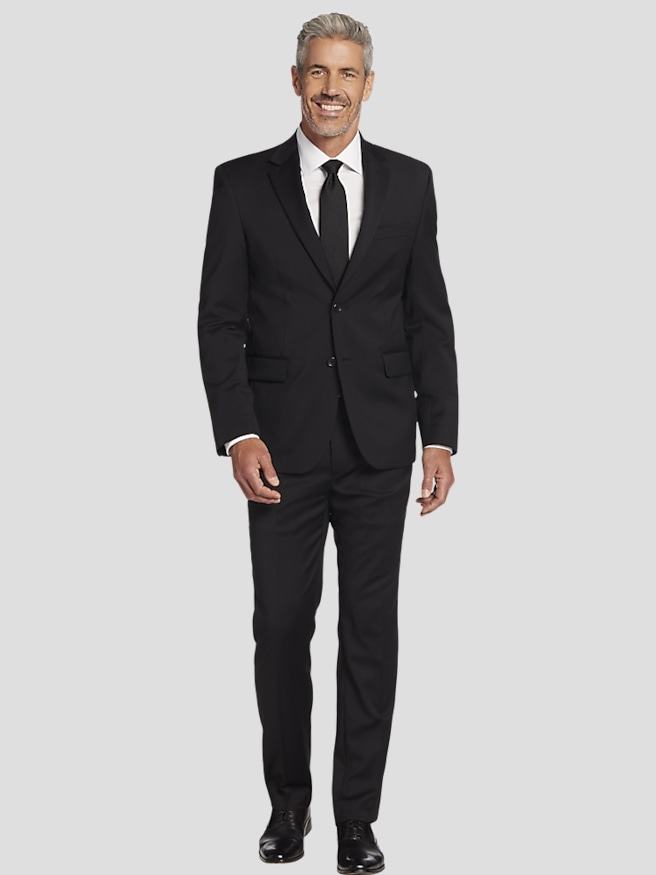
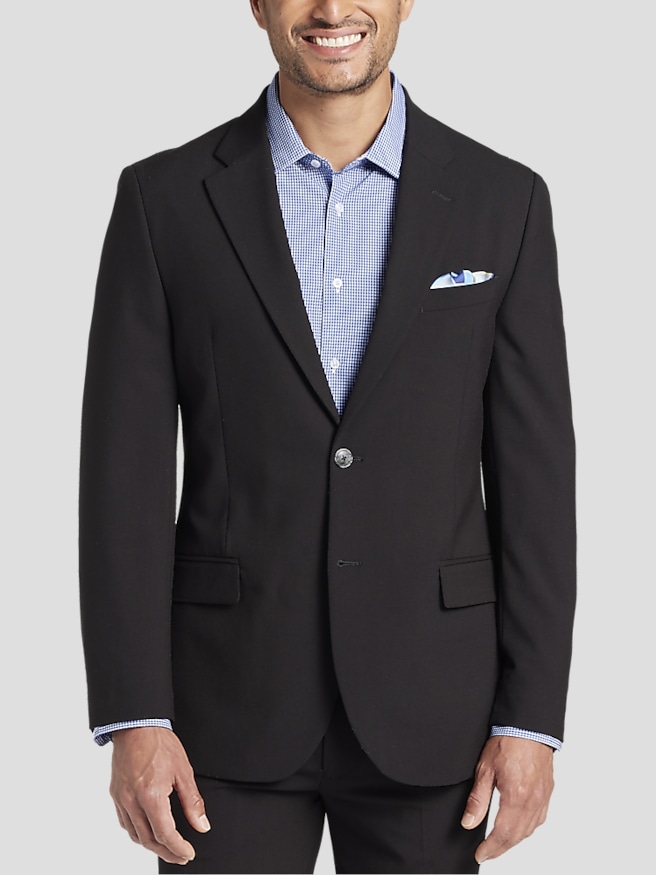
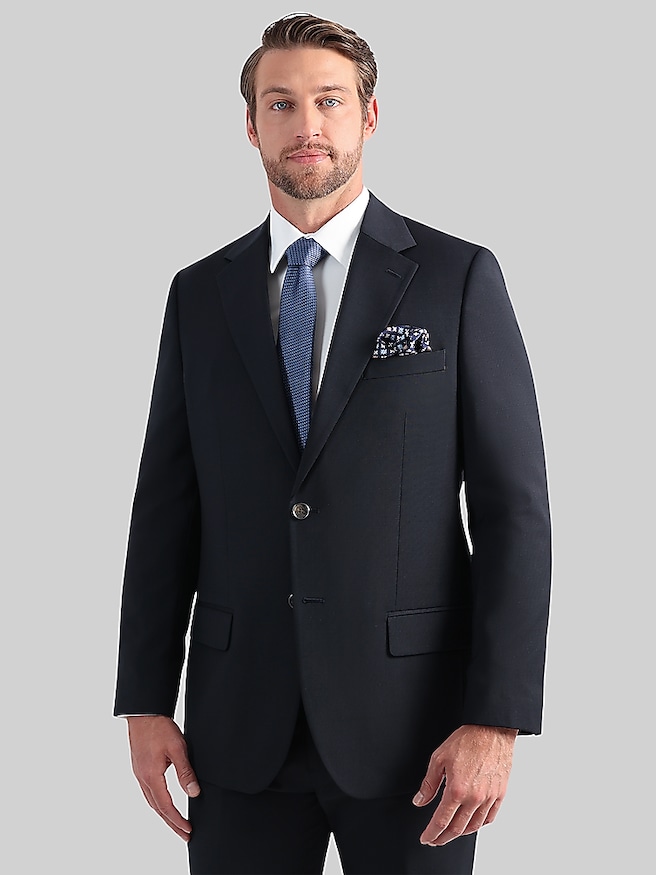
Size 56 suit jackets generally correspond to a chest measurement of about 56 inches in U.S. men’s sizing, although exact measurements vary by maker and fit. The number describes the intended body measurement, not the jacket’s finished circumference, which includes extra room for movement and layers underneath. For a broader chest or fuller build, that balance of coverage and ease makes a noticeable difference: a jacket should settle comfortably across the upper back, close without pulling at the button, and maintain a clean line through the torso. Shoulder seams that sit near the natural shoulder help establish that shape, while sleeves with enough room through the upper arm make everyday gestures feel less restricted. A handshake, a seated conversation, or a reach across a conference table should not leave the collar lifting away from the neck or the front straining into deep creases. Classic, modern, and slim cuts can all carry the same size label, but their proportions through the chest, waist, and sleeves may feel quite distinct. A fuller cut offers more ease, while a closer cut creates a more defined outline without necessarily providing the same space. Jacket length is a separate consideration. Regular and long designations describe body and sleeve proportions, and the most suitable length depends on torso and arm measurements as well as height. The same distinction appears in labels such as 44L Suit Jackets, where the number identifies the nominal chest size and the letter indicates length; a long designation does not mean a larger chest. For size 56, balanced proportions matter more than simply choosing the roomiest silhouette. A hem that covers the seat, lapels that lie flat, and a collar that rests smoothly against the shirt create a composed appearance from the front, side, and back. Thoughtful tailoring can refine sleeve length and waist shaping, but a sound fit through the shoulders and chest provides the strongest starting point.
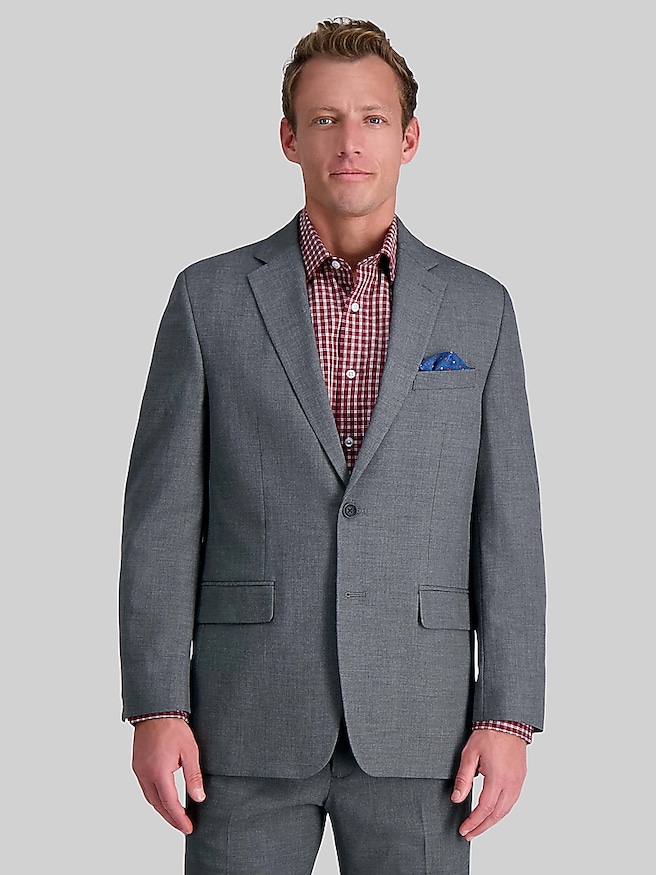
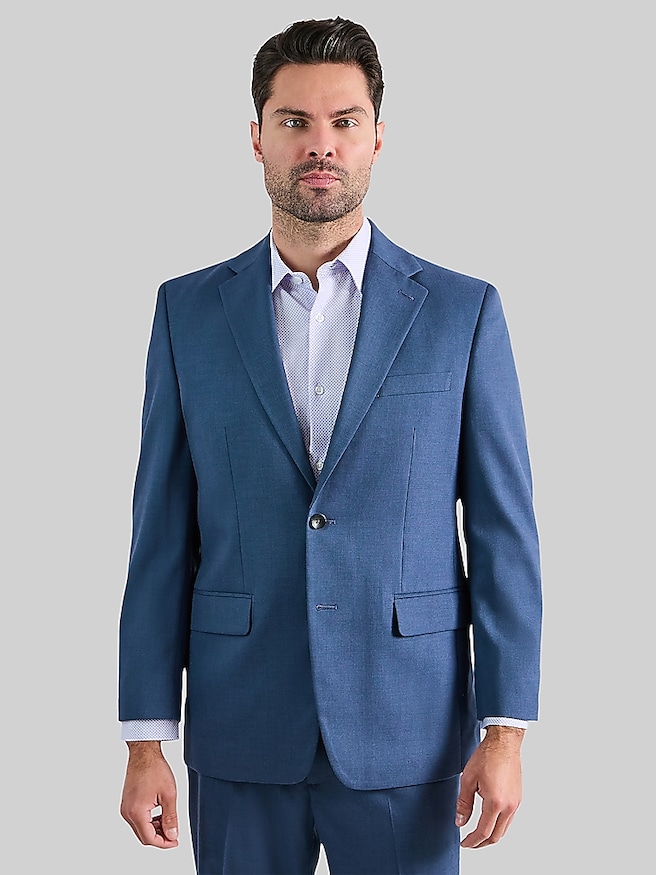
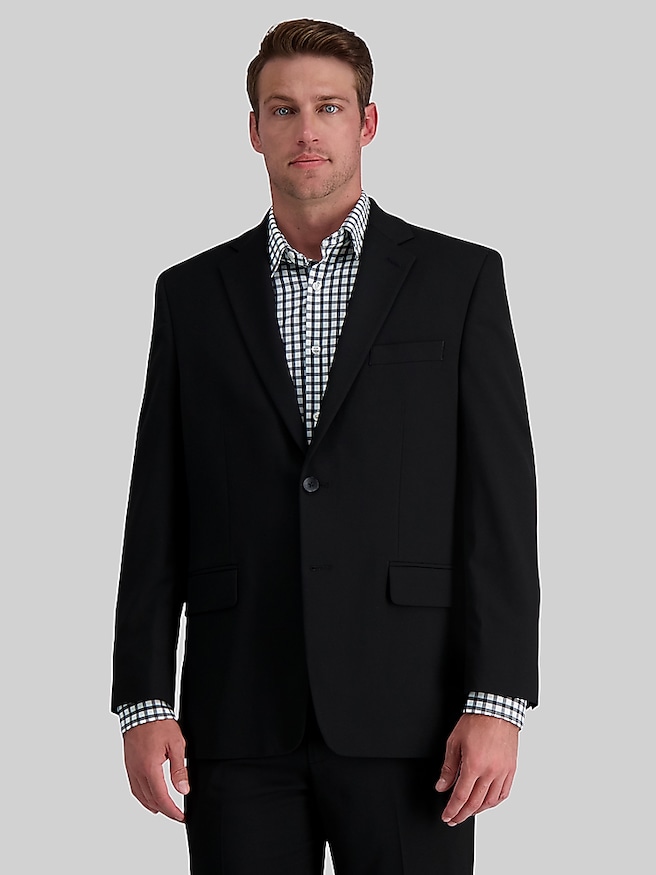
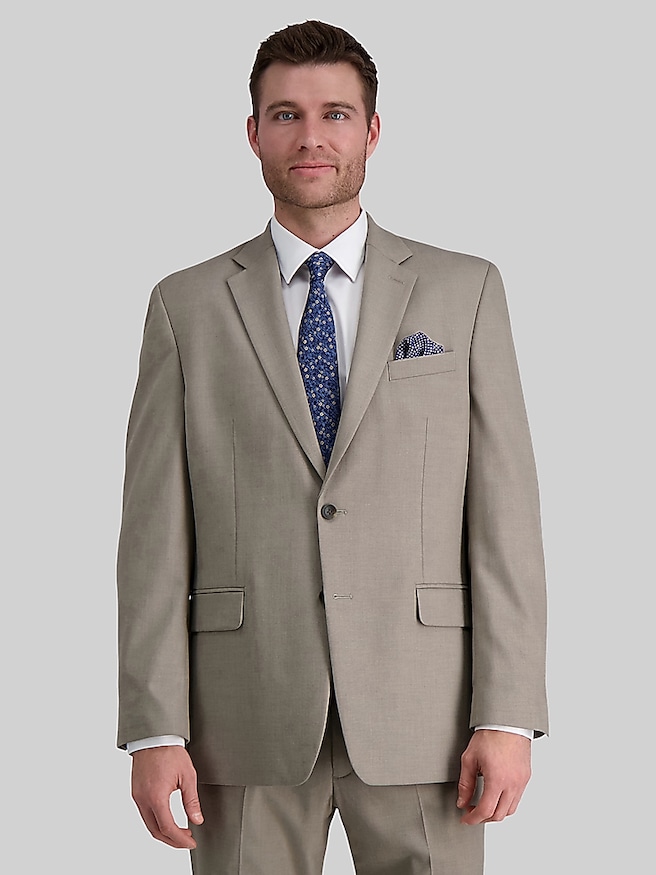
Fabric and construction influence how a size 56 suit jacket feels over several hours and how well it holds its shape over time. Wool is a familiar choice for tailored clothing because its fibers offer natural resilience, a graceful drape, and the ability to recover from light creasing. A fine, smooth wool cloth can create a polished surface for business meetings and formal celebrations, while a more textured weave gives the fabric visual depth. Wool blends bring together the characteristics of multiple fibers, with the final feel depending on their proportions and the way the cloth is woven. Polyester can contribute durability and wrinkle resistance, while a small amount of stretch fiber may provide additional give through ordinary movement. Fiber content alone does not determine comfort: fabric weight, weave, lining, and cut all affect the experience of wearing a jacket. In a size 56, cloth that hangs cleanly rather than clinging can help the lapels, pockets, and front panels retain their intended lines. Internal structure also matters. Canvas or other supporting layers help shape the chest and lapel, while the lining allows the jacket to move more smoothly over a dress shirt. Neat seams, secure buttons, and carefully finished pocket edges are useful signs of attention to construction. Single-breasted styling offers a straightforward foundation for many wardrobes, and notch lapels provide a familiar frame for a shirt and tie. More pronounced lapel shapes can lend a dressier character, especially when paired with restrained accessories. Navy, charcoal, and medium gray create versatile foundations, while subtle checks and fine stripes introduce pattern without overwhelming the overall look. Matching trousers depend on more than a similar color; coordinating cloth, weave, and pattern help the two pieces read as a complete suit. Even two fabrics described as navy can look noticeably distinct beside each other, particularly under bright indoor lighting.
Size 56 suit jackets can support a wide range of occasions, from an important presentation to a wedding ceremony or an evening recognition dinner. For someone who wears tailored clothing regularly, comfort while seated and freedom through the upper back are as relevant as the first impression in a mirror. For someone dressing up only occasionally, a versatile color and an uncomplicated silhouette can make the jacket easier to coordinate with familiar shirts, ties, and shoes. A crisp white shirt creates clear contrast, while light blue softens the combination without losing its professional character. A patterned tie can add interest to a solid jacket, and a quieter tie lets a checked or striped fabric remain the focal point. Pocket squares work best when they complement the outfit rather than reproduce every color and pattern exactly. The intended setting also shapes the choice: a business environment may call for understated coordination, while a celebration can leave more room for texture or personal details. As a gift for a partner, father, son, or another loved one, a suit jacket benefits from reliable chest, length, and fit information, since the size number alone cannot account for every body proportion. Once part of a wardrobe, careful handling helps preserve its appearance. A broad, contoured hanger supports the shoulders, and space between garments reduces compression around the sleeves and lapels. Empty pockets help prevent stretching and keep the front panels from sagging. Allowing the jacket to air after wear and gently brushing away surface dust can reduce unnecessary cleaning. The care label remains the authority for cleaning and pressing, particularly for blended fabrics and structured interiors; professional cleaning is appropriate when required, rather than automatically after every outing. Direct heat and aggressive pressing can flatten texture or leave shine, so fabric-appropriate treatment matters. With a comfortable foundation, balanced tailoring, and consistent care, a size 56 suit jacket can remain a dependable part of a polished wardrobe through repeated meetings, milestones, and celebrations.