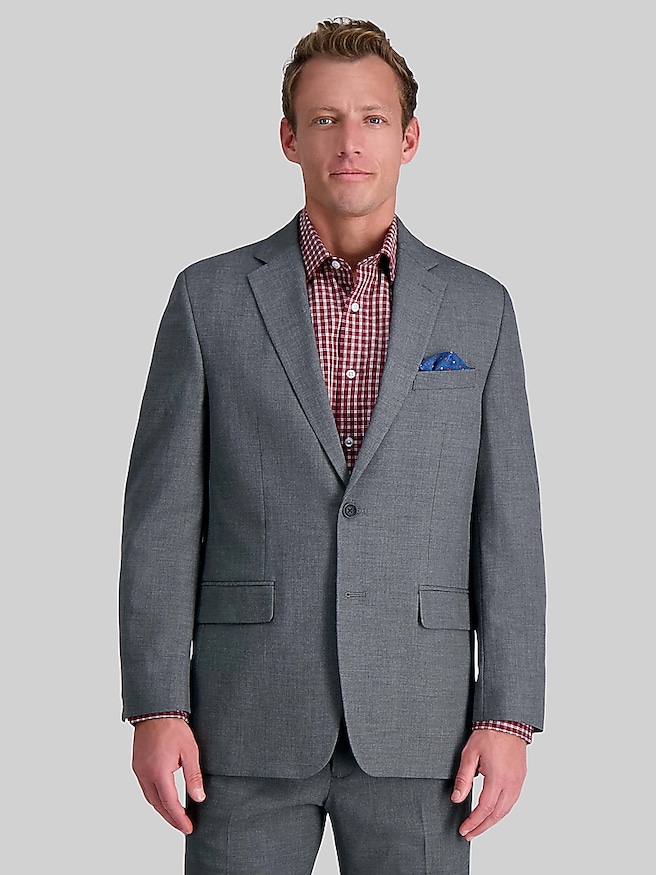
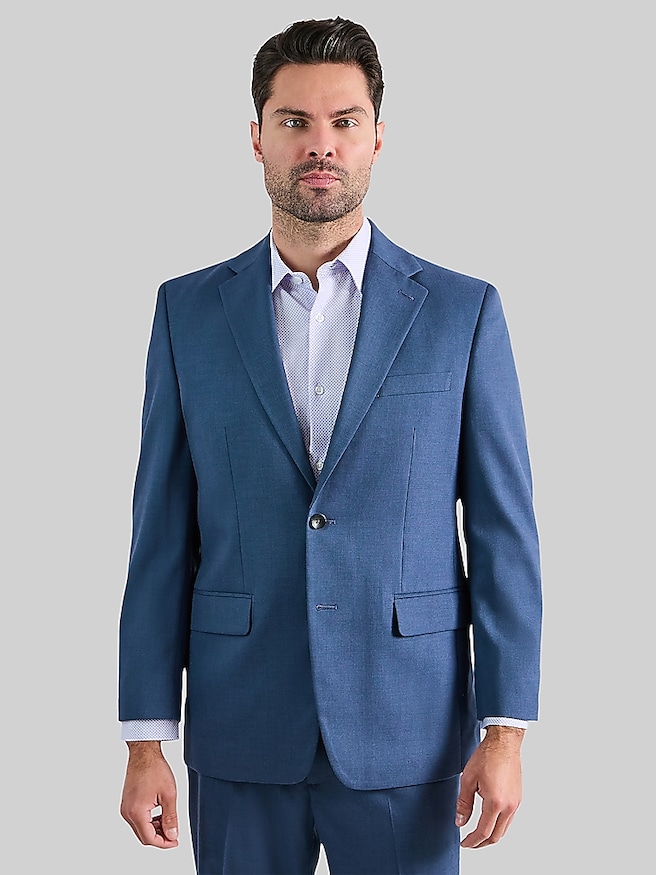
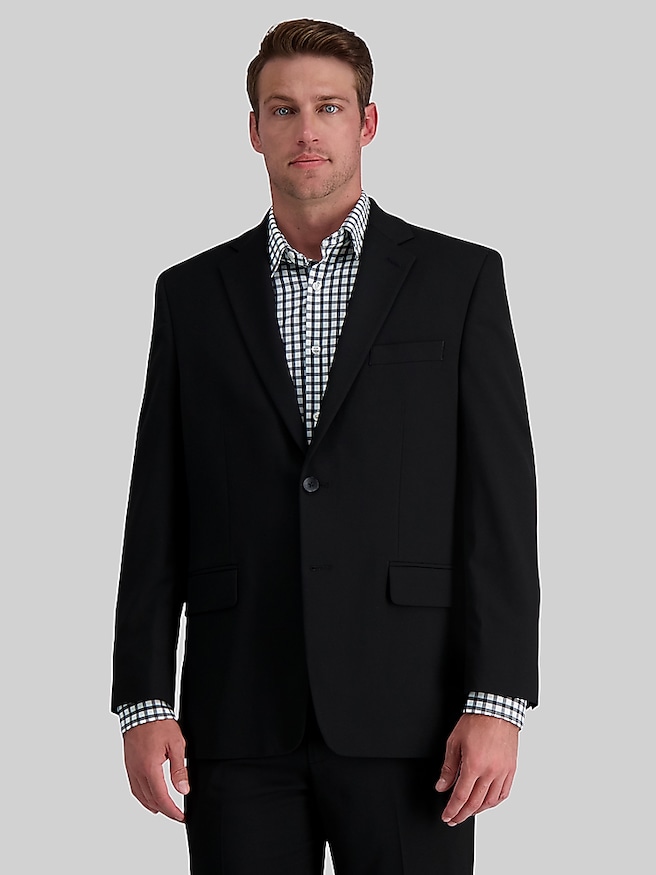
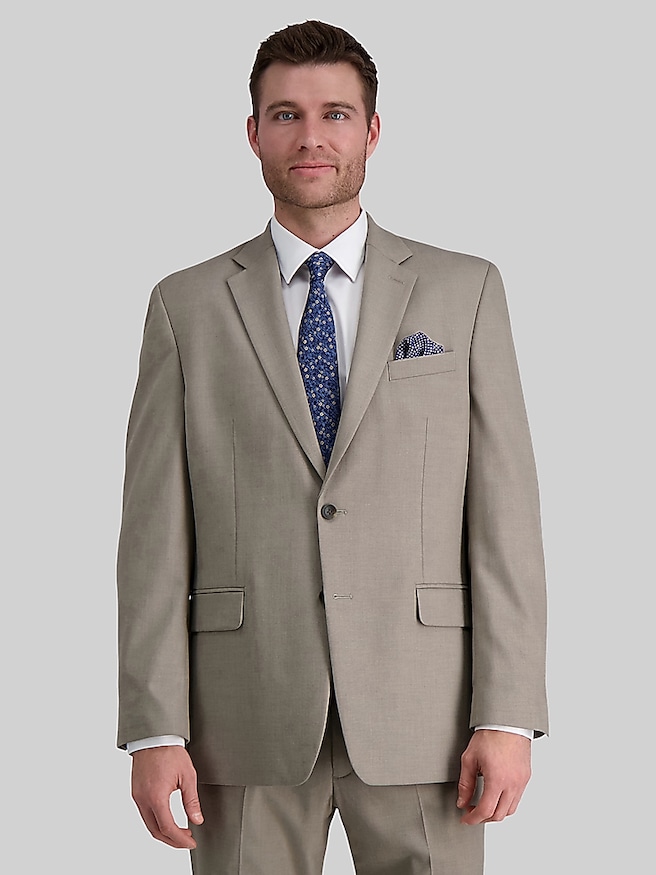
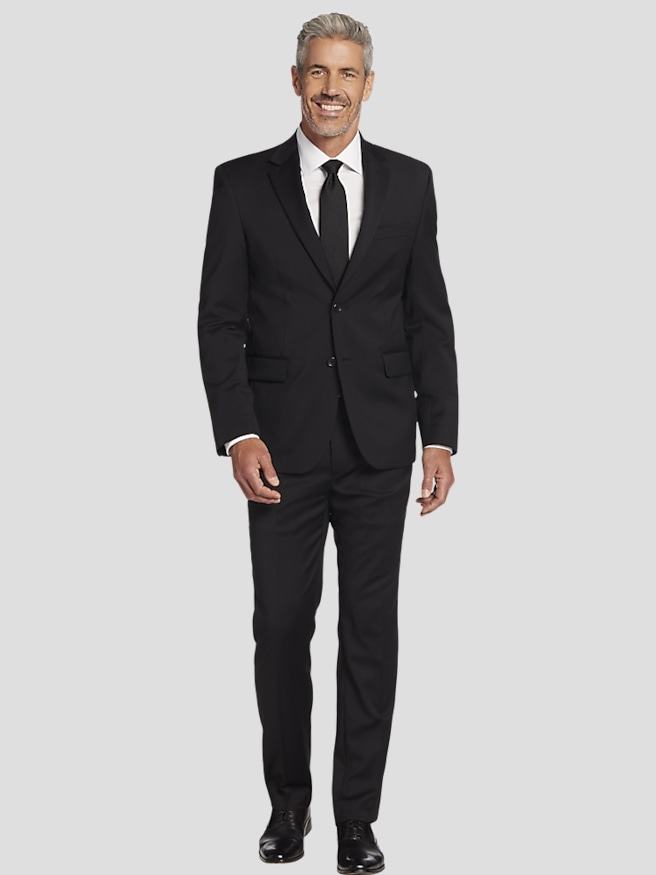
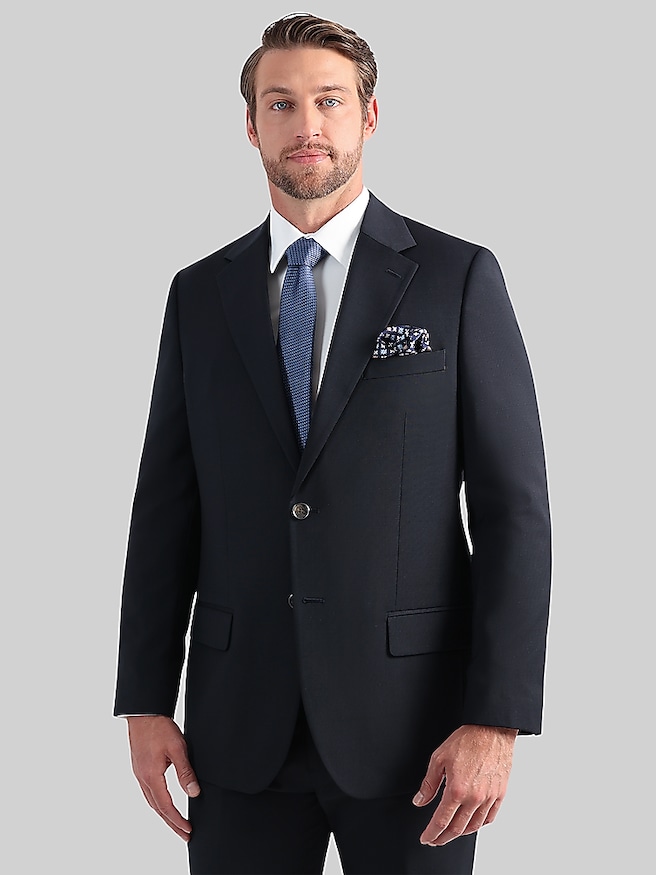
A 44L suit jacket is designed for a chest measurement of approximately 44 inches, with a long cut that adds length through the jacket body and sleeves compared with a regular-length jacket of the same size. The number refers to the wearer’s chest measurement, not the finished circumference of the garment; the jacket includes additional room for movement and the intended silhouette. The “L” identifies the longer proportions, which often suit men around 6 feet 2 inches or taller, although torso length, arm length, posture, and the maker’s size chart matter more than height alone. For a taller man dressing for a client meeting, a wedding, or an evening performance, that added length can help the jacket look balanced rather than abbreviated. A well-proportioned jacket generally covers the seat, rests smoothly across the shoulders, and allows the sleeves to finish near the wrist bone with a small amount of shirt cuff visible. The collar should sit close to the shirt collar without a noticeable gap, and the lapels should lie flat instead of bowing away from the chest. When the appropriate front button is fastened, the fabric should remain reasonably smooth rather than forming a pronounced X across the waist. Within the 44L designation, slim, tailored, and classic fits can create noticeably different shapes. A closer cut follows the torso, while a fuller cut provides more room through the chest, waist, and upper arms. Neither silhouette should require strained shoulders or restricted movement when reaching for a handshake or sitting through a ceremony. Chest size and jacket length are separate considerations: 48S Suit Jackets represent a larger chest size with shorter body and sleeve proportions, not simply another version of a 44L fit. Understanding that distinction helps keep the focus on the complete silhouette rather than a single measurement. The most convincing fit looks comfortable from the back and side as well as from the front.
Fabric and construction give 44L suit jackets much of their character, influencing how they hang, move, and hold their shape through repeated wear. Wool is a traditional suiting material because it can drape cleanly, recover from light creasing, and provide a refined surface without necessarily feeling stiff. Wool blends vary considerably, with the accompanying fibers affecting texture, stretch, wrinkle resistance, and care requirements. Fabrics containing a modest amount of stretch may make reaching, sitting, and commuting more comfortable, but stretch should complement a sound fit rather than compensate for a jacket that is too tight. A smooth worsted fabric creates a crisp impression for business appointments and dressier events, while a subtle textured weave can add depth without relying on a bold pattern. Fine stripes, restrained checks, and solid colors each have a place in a tailored wardrobe. Navy and charcoal are especially adaptable foundations for white or light blue shirts, understated ties, and polished leather shoes; a patterned jacket benefits from quieter accompanying pieces when a composed appearance is the goal. The interior matters, too. Linings affect how easily a jacket slides over a shirt, while internal structure helps shape the chest and support the lapels. Softer construction creates a more relaxed outline, whereas a more structured shoulder gives the upper body a defined profile. Neither approach is inherently more appropriate for a long size; the choice depends on build, comfort, and the intended setting. For a complete suit, the jacket and trousers should match in fabric, color, weave, and pattern, since two pieces described with the same color name can still look noticeably different together. A suit jacket worn separately needs enough texture or visual ease to work convincingly with contrasting trousers. A dark, smooth jacket with formal detailing may look more cohesive as part of its matching suit, particularly for an interview, presentation, or wedding celebration.
The usefulness of a 44L suit jacket extends beyond its appearance on a hanger. Long meetings, travel between appointments, photographs, dinners, and hours spent seated all reveal whether the proportions and construction suit the wearer’s routine. A jacket should settle back into place after movement without constant tugging at the hem or pulling at the collar. Single- and double-vented backs can provide ease when sitting and help the lower jacket fall around the hips, though the vents should rest closed when standing naturally. Practical tailoring can refine sleeve length or shape the waist, but alterations have limits, especially at the shoulders and throughout the jacket’s overall length. Decorative sleeve details and working buttonholes may also affect how readily sleeves can be shortened. Starting with the closest fit through the shoulders, chest, and body length gives those finishing adjustments a better foundation. For someone choosing a jacket as a gift for a partner, son, or another family member, a confirmed size and an understanding of the recipient’s preferred silhouette are more useful than height alone. An existing jacket that fits well can provide helpful measurements for comparison, especially across the shoulders and from the collar seam to the hem. Once a jacket becomes part of a regular wardrobe, careful handling helps preserve its shape and finish. A broad, supportive hanger keeps the shoulders from developing narrow pressure points, and emptying the pockets prevents keys, phones, and wallets from stretching the fabric. A garment brush can remove surface dust, while time hanging freely after wear allows light creases to relax. Cleaning should follow the care label, with professional attention when required and prompt treatment of marks before they become difficult to remove. Pressing also deserves care because excessive heat or pressure can leave shine on suiting fabric. With suitable proportions, considered fabric choices, and consistent care, a 44L suit jacket can serve as a dependable foundation for occasions that call for a composed, well-dressed appearance.