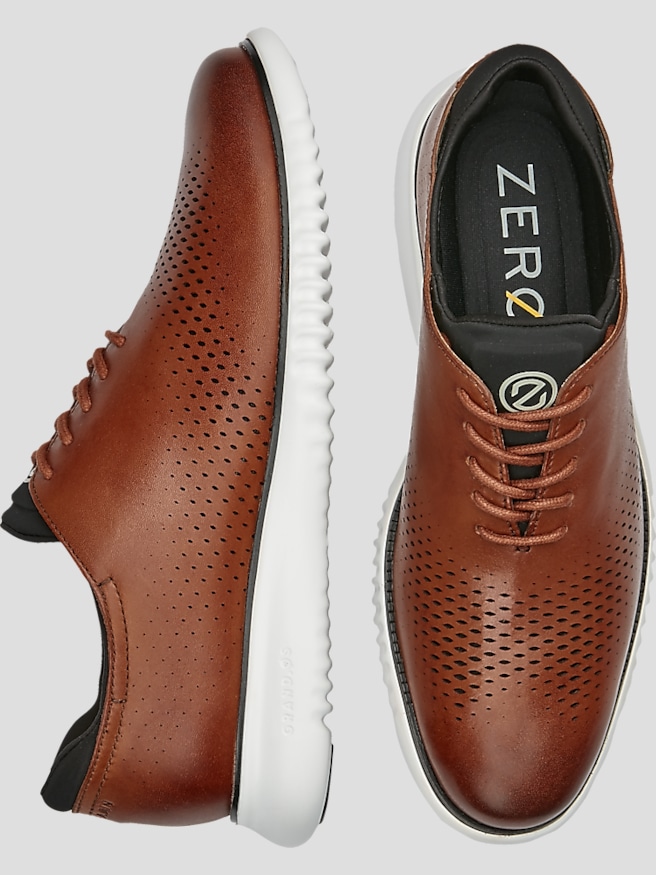
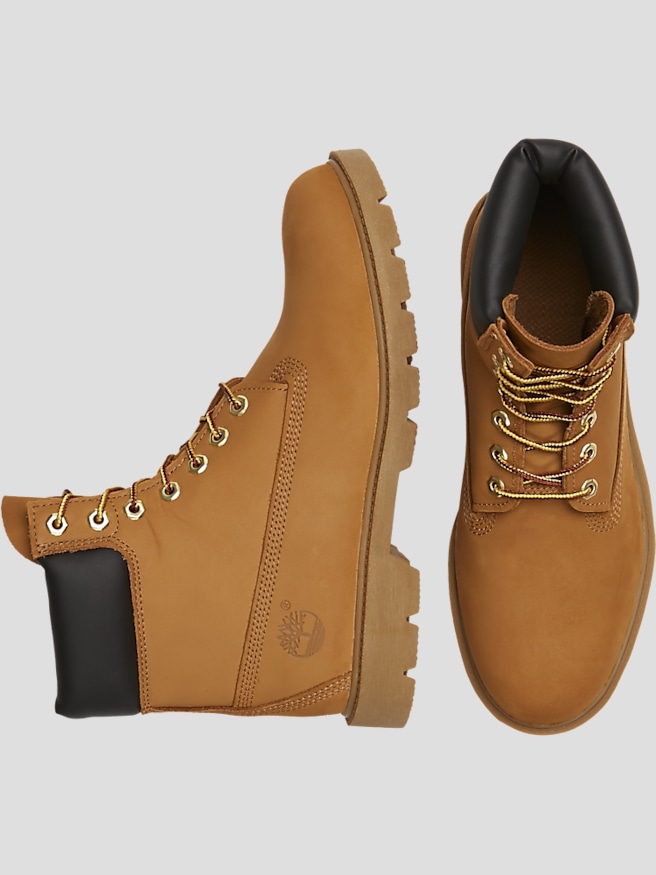
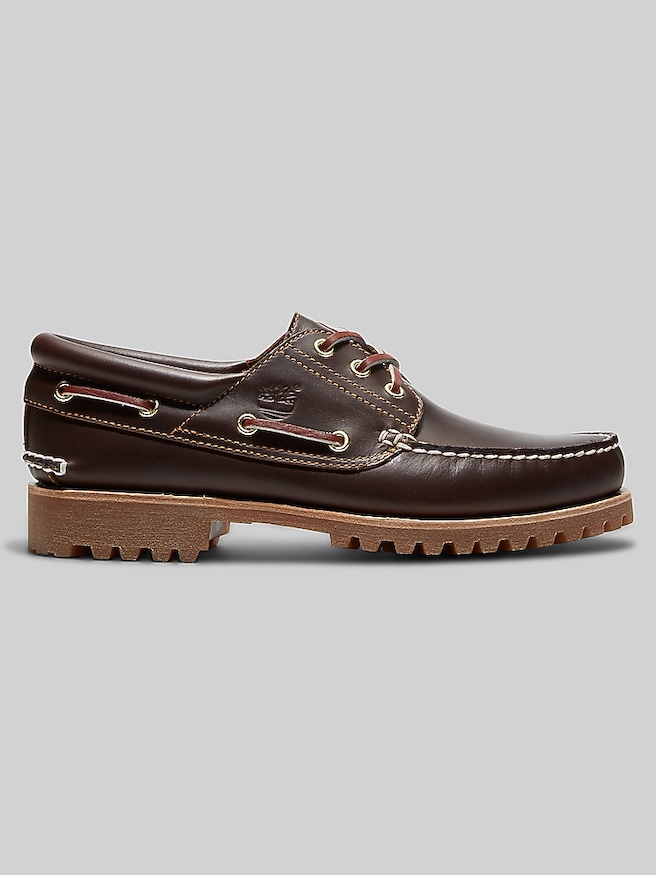
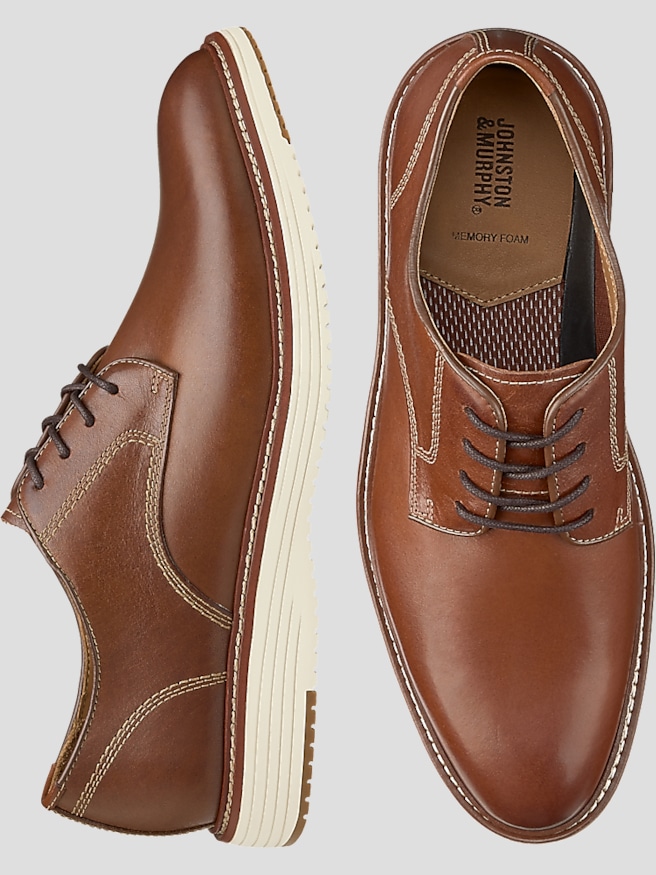
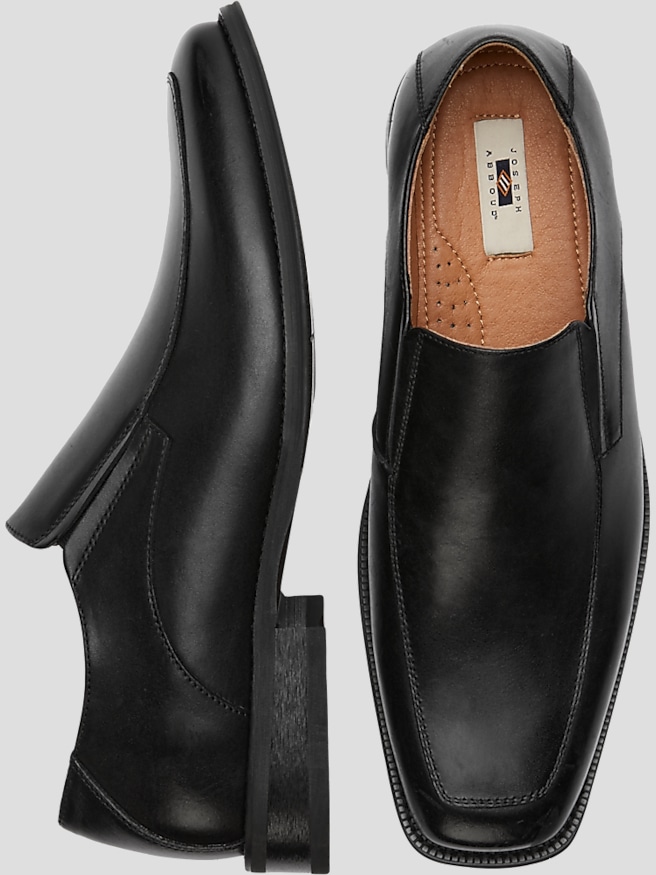
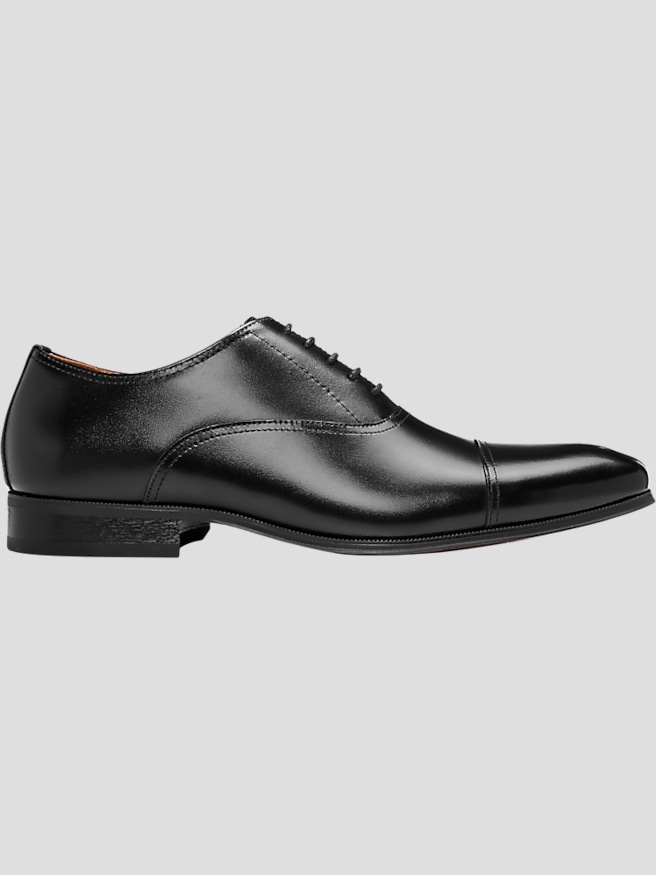
Finding the right pair of size 14 shoes can make getting dressed feel considerably easier, especially when standard shoe racks stop short of offering a comfortable fit. Extended-size footwear is designed for men who need more room from heel to toe, whether they are preparing for a formal event, building a dependable work wardrobe, or looking for everyday shoes that can keep up with a full schedule. A well-chosen pair may be worn to the office, paired with a suit for a wedding, taken along for travel, or relied on during long days spent walking and standing. The selection of size 14 shoes may include polished dress styles, versatile casual footwear, athletic-inspired silhouettes, supportive walking shoes, and sturdy boots for cooler weather. Each category serves a different purpose, so it helps to think about where the shoes will be worn before choosing a style. Smooth leather or refined synthetic uppers can complement tailored trousers and formal suiting, while textured materials and relaxed profiles often work naturally with chinos, denim, or casual button-down shirts. Shoes with flexible construction may feel more comfortable for commuting and errands, while durable soles and weather-conscious materials are practical when the ground is wet, leaves are scattered across sidewalks, or the temperature begins to drop. For men who have struggled to find larger sizes in local stores, browsing an organized online selection can make it easier to compare silhouettes, colors, closures, and construction details in one place. It is also useful for gift shoppers purchasing footwear for a husband, son, father, brother, or friend who wears a larger size. Because fit preferences vary, a gift recipient may appreciate a classic, adaptable color and a straightforward design that works across several outfits. Checking the recipient’s usual size, preferred width, and the fit of a pair they already enjoy can help make the selection more personal and practical.
Comfort depends on more than the number printed inside the shoe. A size 14 should provide enough length for the toes to rest naturally without pressing against the front, but extra length alone does not guarantee a good fit. Pay attention to width, arch support, heel security, and the shape of the toe box. Feet can swell after hours of walking or standing, so shoes that feel comfortable only for a few minutes may not be the best choice for a workday or special occasion. When possible, try footwear on while wearing the socks intended for use with it; lightweight dress socks create a different feel from thicker athletic or cold-weather socks. Both feet should be measured, since one foot is often slightly larger than the other, and the larger foot should guide the final fit. A secure heel with a little natural movement is preferable to a heel that slips with every step, while toes should have room to move without the foot sliding forward. Adjustable laces, straps, or other fastening systems can make it easier to fine-tune the fit, particularly for men whose feet change throughout the day. Those shopping for formal footwear should also consider the shape and break of their trousers. A clean, streamlined shoe tends to sit neatly beneath tailored pants, while a more substantial sole can balance heavier fabrics and relaxed tailoring. Neutral shades are easy to coordinate with navy, charcoal, brown, black, and earth-tone clothing, making them especially useful for a developing wardrobe. As the weather warms, breathable linings and lighter construction can help shoes feel less cumbersome, while during the cooler months, textured uppers, cushioned interiors, and sturdier soles can add comfort without sacrificing a polished appearance. Men who need an even larger formal size can also explore Size 16 Dress Shoes for additional extended-size options.
A dependable care routine can help size 14 shoes look and feel better over time. Let footwear air out between wears instead of placing it immediately in a closed, damp space, and use a shoehorn when putting on structured styles to protect the heel counter. Removing surface dust with a soft brush or cloth keeps materials from becoming dull, while appropriate conditioner or protective spray can help maintain the appearance of leather and other finished uppers. Wet shoes should dry naturally away from direct heat, which can cause some materials to become brittle, shrink, or lose their shape. Rotating between two or more pairs is another simple way to give interiors time to recover and reduce repeated wear on the same soles. For athletic or walking styles, look for cushioning that feels supportive rather than excessively soft, and inspect the outsole periodically if the shoes are used on pavement, gym floors, or long walking routes. For work or outdoor use, traction, reinforced construction, and easy-to-clean materials may matter more than decorative details. Formal shoes benefit from careful storage and occasional polishing, especially when they are reserved for ceremonies, presentations, dinners, or celebrations. During the transition from warm days to cooler evenings, versatile size 14 shoes can help bridge seasonal wardrobes: a refined casual pair may work with lightweight trousers and a polo, then later with dark denim, a sweater, or a casual jacket. When selecting footwear as a gift, consider the recipient’s routine rather than choosing solely by appearance. Someone who spends most days in an office may value a comfortable dress shoe with a dependable sole, while a frequent traveler may prefer a lightweight style that packs easily and pairs with several outfits. Someone who enjoys weekend walks or outdoor projects may need cushioning, stability, and weather resistance. With the right combination of size, width, support, materials, and intended use, size 14 shoes can provide the reliable comfort and polished finish that make everyday dressing, professional occasions, and seasonal gatherings feel more effortless.