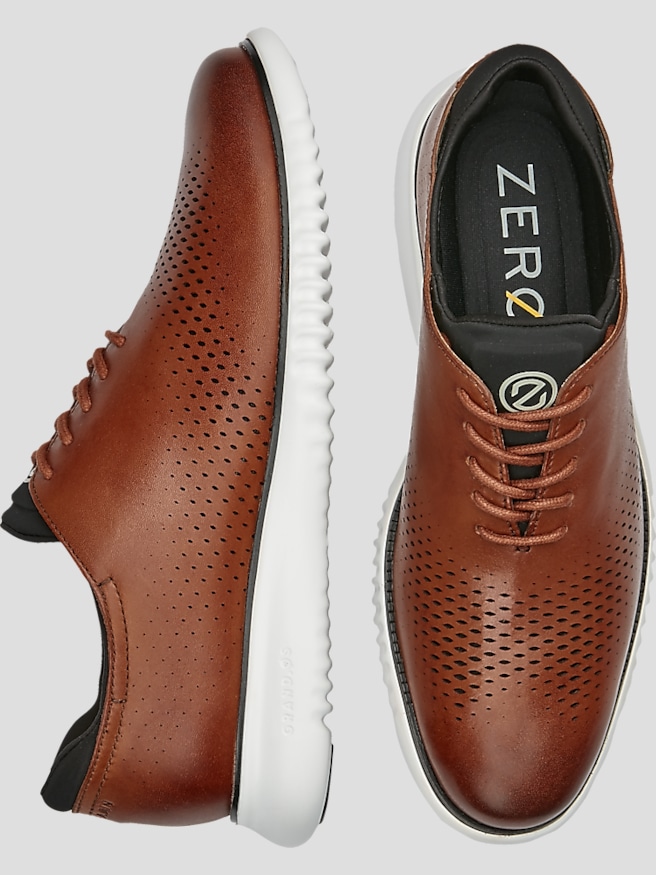
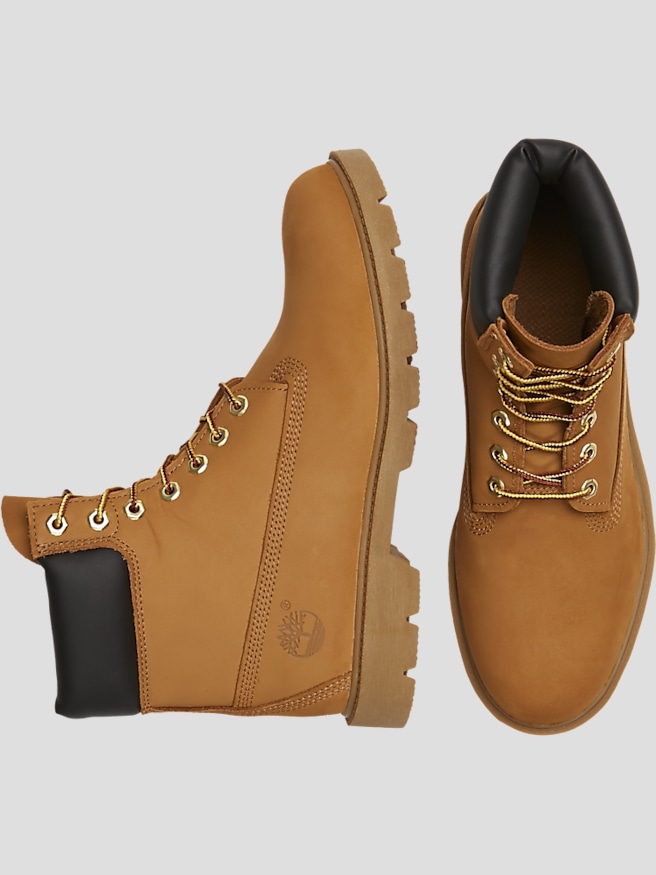
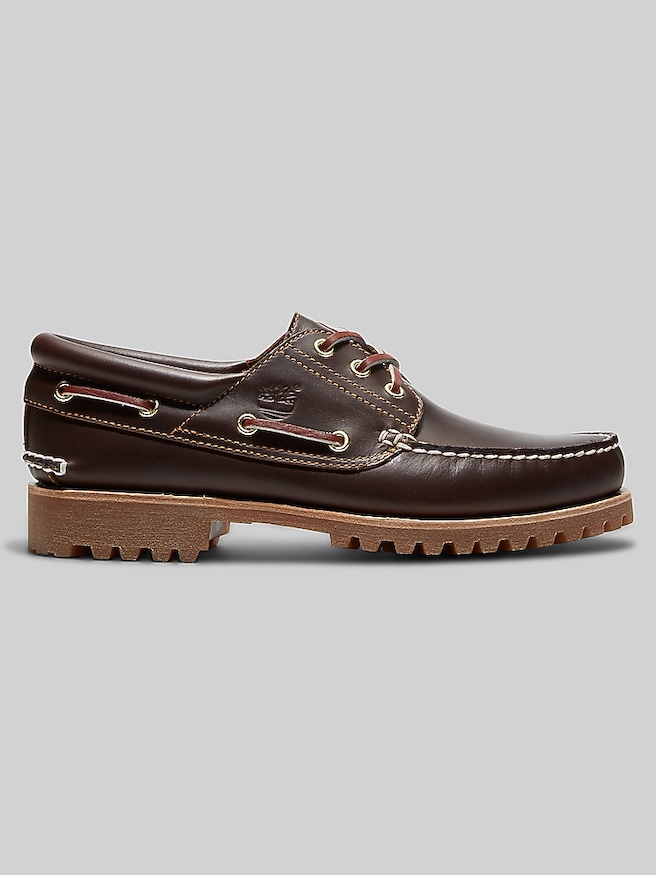
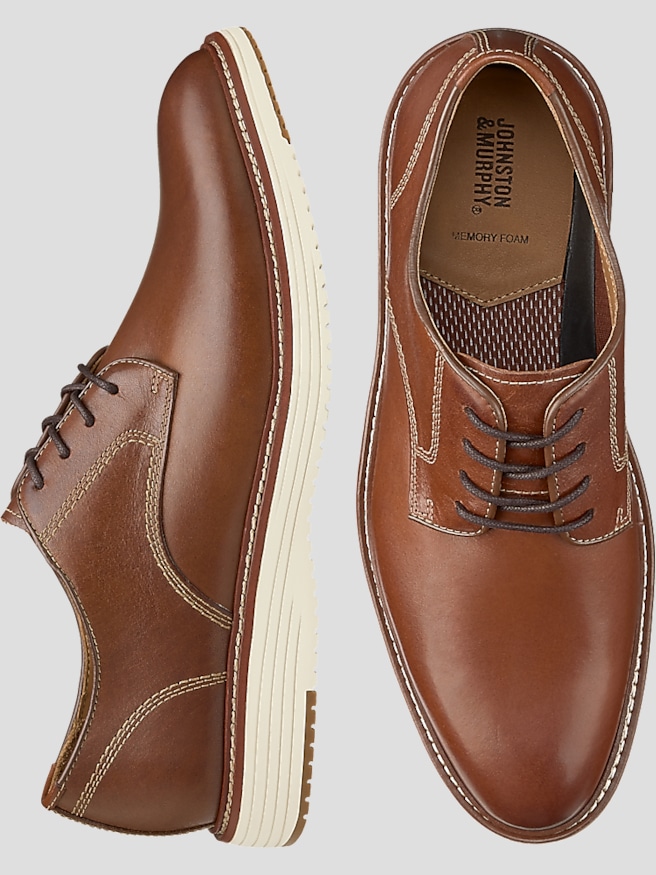
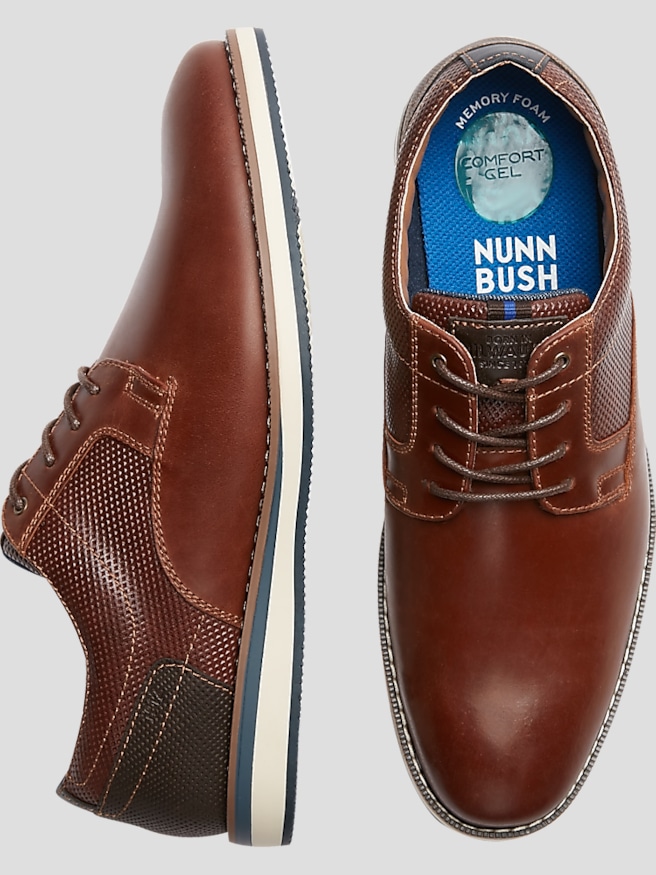
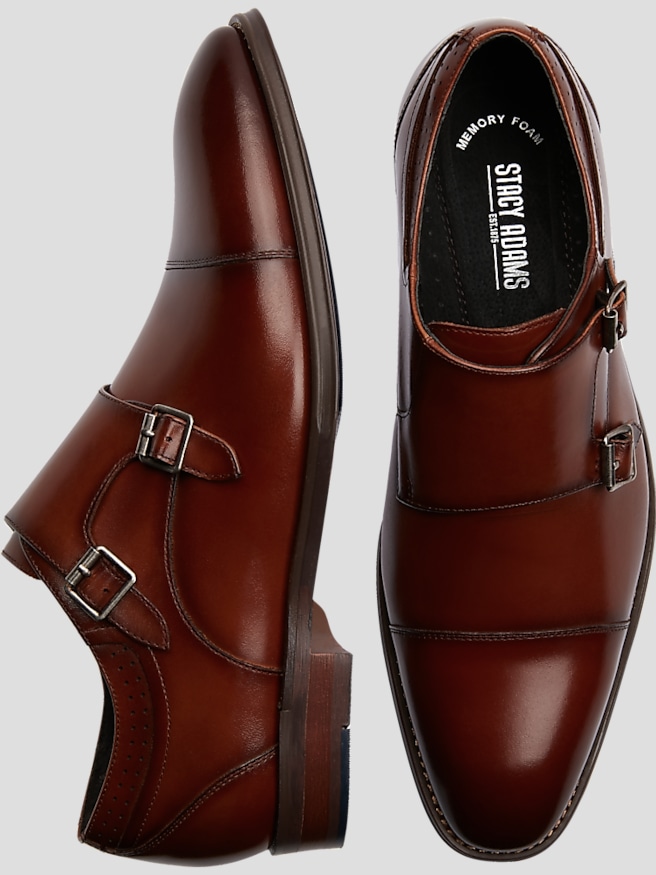
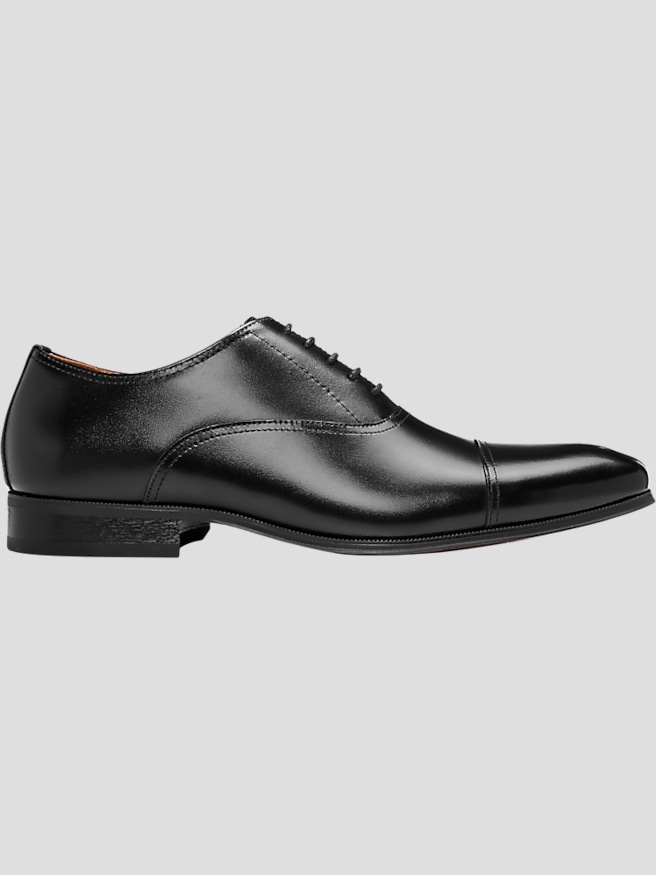
Size 13 dress shoes bring a polished finish to tailored clothing, whether the occasion calls for a dark suit, pressed trousers, or chinos with a sport coat. The category includes familiar silhouettes such as oxfords, derbies, loafers, and monk straps, with each offering a distinct balance of structure and ease. Oxfords have closed lacing that creates a neat, compact profile, making them a traditional choice for business attire and dressier celebrations. Derbies use open lacing, which allows more adjustment across the top of the foot while still looking sharp beneath a trouser hem. Loafers provide a slip-on option for less formal offices, dinners, and gatherings where a full suit is unnecessary. Monk straps add a buckle closure and a little visual interest without requiring a bold color or heavy decoration. In size 13, the shape of the toe and the proportions of the shoe can have as much impact as the detailing. A softly rounded or almond-shaped toe offers a balanced look, while a sharply extended toe adds visible length. Cap toes create a clean line across the front; wingtip patterns and brogue perforations give the surface more texture. Black smooth leather remains a straightforward match for charcoal tailoring and formal business settings, while dark brown pairs naturally with navy, gray, and earth tones. Burgundy can add depth without pulling attention away from the rest of an outfit. For someone moving between client meetings, a wedding reception, and an evening out, a restrained shape and versatile color can make the same pair useful across several settings. Those considering footwear beyond dress-focused silhouettes can also explore Men's Size 13 Shoes as part of building a wardrobe around a consistent size. The strongest starting point is the intended use: a shoe worn at a desk most days has a somewhat different job from one expected to handle hours of standing, walking between venues, and dancing after dinner.
Fit is especially important with size 13 dress shoes because the size number describes only part of how a shoe feels. Width, toe-box shape, heel structure, and volume over the instep all influence comfort, and a longer size is not a substitute for the correct width. A foot that feels squeezed at the ball may need a wider fit rather than extra space at the front. Toes should have room to rest naturally without pressing against the sides or end, while the heel should feel secure rather than lifting noticeably with every step. Some space beyond the longest toe is normal in a dress shoe, particularly when the toe shape is tapered; the more useful check is whether the broadest part of the foot sits comfortably within the broadest part of the shoe. The shoe should bend near the ball of the foot instead of forcing movement through the toes or arch. Trying footwear with the dress socks intended for regular wear gives a more realistic sense of fit than using thick athletic socks. An afternoon fitting can also account for the slight swelling that often develops during a day on foot. Lace-up designs offer useful adjustment, while loafers depend more heavily on a close match through the heel and instep. Cushioning can soften the feel underfoot, but it cannot correct a toe box that is too narrow or a heel that slips. For a commute involving sidewalks, stairs, and a stretch of standing on public transportation, flexibility and a stable outsole deserve attention alongside appearance. Someone who wears orthotics may also need enough interior depth and, where the construction allows it, a removable footbed. Leather can soften with wear, but painful pressure is not a reasonable break-in expectation. A well-chosen pair should feel comfortably supportive from the beginning, with enough security for a purposeful stride and enough room to remain comfortable through a long afternoon.
Materials and construction shape how size 13 dress shoes look, wear, and respond to regular care. Smooth leather develops creases where the foot bends and can gain character over time, while suede offers a softer, matte texture that works particularly well with flannel trousers, knitwear, and less formal tailoring. Patent finishes have a glossy appearance associated with formal evening clothing, though their care needs differ from those of ordinary smooth leather. Full-grain leather retains the natural surface of the hide and can develop a rich patina with suitable maintenance; other leather finishes may create a more uniform appearance. Synthetic uppers have their own care requirements, so the material description matters more than appearance alone. Inside the shoe, a smooth lining and neatly finished seams help reduce friction, especially around the heel. Underfoot, leather soles offer a traditional profile, while rubber soles can provide useful cushioning and traction for everyday walking. Tread design and surface conditions still matter, and no dress outsole should be assumed to grip safely on ice. During the cooler months, wet pavement and tracked-in moisture make a simple care routine worthwhile. Dirt should be removed before polishing, and damp leather shoes should dry naturally away from radiators or direct heat. Shoe trees can help maintain shape between wears, and rotating pairs gives the interior more time to dry. Smooth leather generally benefits from appropriate conditioning and polish, while suede calls for a suitable brush and products specifically intended for its finish. Welted construction may allow resoling, depending on the shoe and its condition, but repair options vary. Durable footwear also depends on timely attention to worn heels, loose stitching, and thinning soles rather than waiting until damage spreads. As a gift for a graduate entering an office role, a partner preparing for a milestone celebration, or someone refreshing a professional wardrobe, size 13 dress shoes are most useful when the recipient’s width, fit preferences, and everyday clothing are understood. A versatile pair should complement those habits, bringing a considered finish to the outfit without making comfort an afterthought.