Silk clothing is valued for its smooth feel, fluid drape, and natural luster. Silk is a natural protein fiber, most commonly obtained from silkworm cocoons, that can be woven into fabrics with distinctly different textures and weights. Its appeal goes beyond shine: a silk garment can feel light against the skin while giving an outfit depth and movement that a flatter fabric may not provide. The appearance depends on the weave, yarn, and finish. Some silk fabrics have a glossy surface, while others look softly textured or almost matte. Satin describes a weave rather than a fiber, so a satin finish alone does not establish that a fabric contains silk. Fiber-content labels distinguish pure silk from blends, which combine silk with other fibers to influence structure, stretch, texture, or care requirements. Neither composition is automatically better for every purpose. A fabric with more body can hold a defined shape, while a lighter, more fluid construction follows the body more closely. Breathability and opacity also depend on the fabric’s construction; a thin silk fabric will not behave like a densely woven one simply because both share the same fiber. For men’s clothing, these differences matter when balancing polish with ease. A subtle sheen can give a tailored outfit a richer appearance without requiring a bold color or large pattern. A more pronounced luster creates a stronger focal point, especially alongside matte wool or cotton. Texture is equally useful: a slightly irregular surface can feel relaxed, while a smooth, even finish tends to look more formal. Silk’s characteristic drape also affects how color appears as the fabric moves, allowing a solid shade to have visual interest without added decoration. The result can be understated rather than flashy, particularly when the silhouette is clean and the surrounding fabrics have quieter finishes. For someone who prefers simple outfits, that distinction makes silk a useful way to add character without relying on complicated styling.
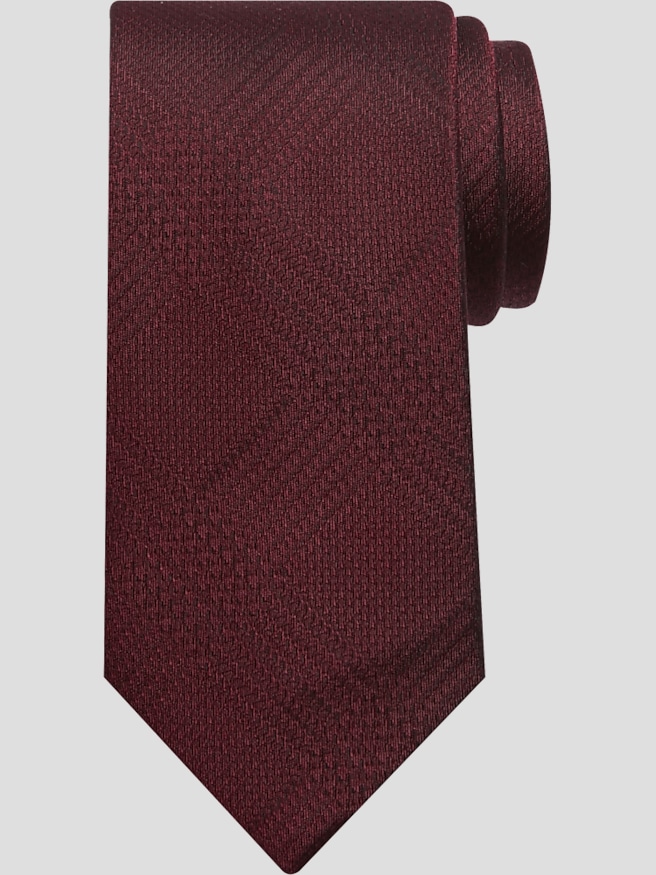
Fit determines whether silk clothing looks effortless or overly delicate. Because fluid fabrics reveal pulling and bunching readily, enough room through the shoulders, chest, and arms helps preserve a clean line. On a shirt, buttons should lie flat rather than strain, and the fabric should allow comfortable movement when sitting, reaching, or extending a hand. An excessively loose fit can collect beneath a jacket, while a fit that is too close may keep the cloth from falling naturally. The intended outfit matters as much as the measurements. Silk worn beneath tailoring generally benefits from a smooth profile that does not crowd the jacket sleeves or collar. Worn without a jacket, a softer silhouette can emphasize the fabric’s movement and make a dressed-up look feel less rigid. For wedding guests, anniversary dinners, evening receptions, and business occasions that call for polish, silk can provide a distinctive detail without making every part of the outfit equally dressy. A finishing touch from Cool Silk Ties can bring subtle luster to a wool suit or introduce pattern against a solid shirt. Scale helps keep the combination balanced: a small repeating motif reads differently from a broad stripe, especially when another pattern is already present. Pairing one noticeable silk element with quieter textures gives the eye a clear focal point. Color can serve the same purpose, whether the effect comes from a close tonal match or a deliberate contrast. For gift giving, silk accessories can be a thoughtful choice for someone who enjoys tailoring, dresses for professional events, or appreciates distinctive fabric. Familiar colors and patterns are often more personal than an attention-getting design that does not suit the recipient’s habits. Considering the recipient’s usual collars, jackets, and preferred level of formality helps connect the gift to clothing already worn and enjoyed. A restrained design may suit frequent business dressing, while a more expressive pattern can feel appropriate for someone who likes a noticeable finishing detail.
Silk’s longevity depends on the fabric construction, the way a garment is made, and how it is handled between wears. Although silk fibers have good tensile strength, fine silk fabric can still snag, abrade, or show stress at seams. Smooth stitching, neatly finished edges, and a shape that allows natural movement all contribute to lasting wear. Rough jewelry, hook-and-loop fasteners, unfinished bag straps, and abrasive surfaces can catch the fabric, so everyday contact matters as much as occasional cleaning. Care should follow the sewn-in label rather than a general assumption that all silk must be treated alike. Some garments require professional cleaning; others permit careful washing. Linings, dyes, interfacings, and decorative details can determine the appropriate method even when the main fabric is silk. Where washing is permitted, a suitable gentle detergent and minimal agitation help limit unnecessary stress. Twisting or wringing can distort the shape, and aggressive rubbing may leave a visible mark. Stains deserve prompt attention, but spot treatments should not be improvised: water, cleaning agents, or friction can affect color and finish. A professional cleaner should know the fiber content and the source of a stain whenever possible. Direct heat also requires care. Pressing settings should match the label, and a pressing cloth can help protect the surface when ironing is permitted. Storage is part of the same routine. Garments benefit from appropriate support, enough space to avoid persistent crushing, and protection from prolonged direct sunlight. Silk accessories should be put away without tight knots or sharp creases that remain under tension. Allowing clothing to dry fully after any approved cleaning method helps preserve its condition before storage. These practical considerations make silk best understood not as a fabric reserved only for exceptional events, but as one that rewards deliberate use. Matched to the occasion, fitted without strain, and cared for according to its construction, silk clothing can retain the distinctive texture and graceful movement that make it appealing.