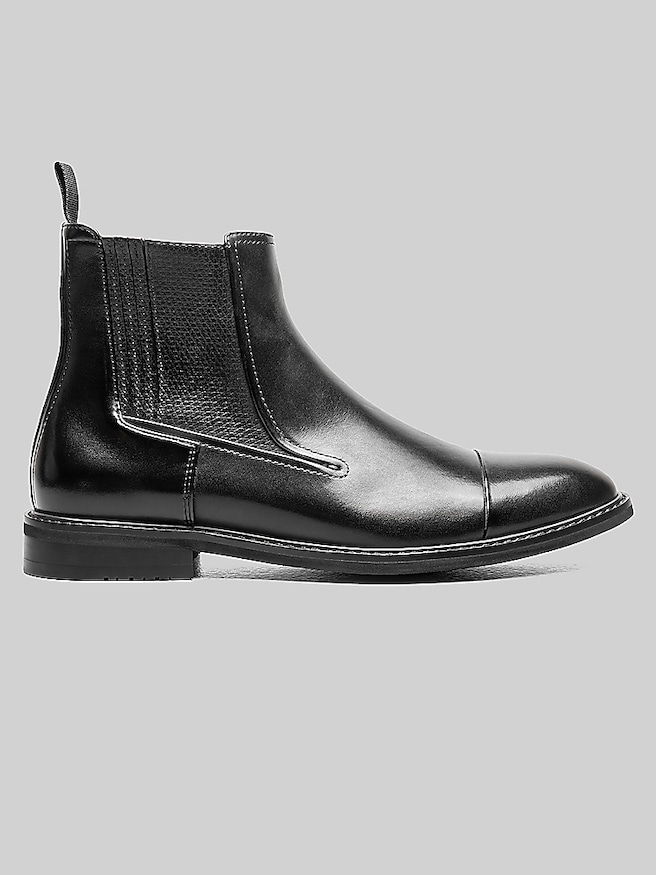
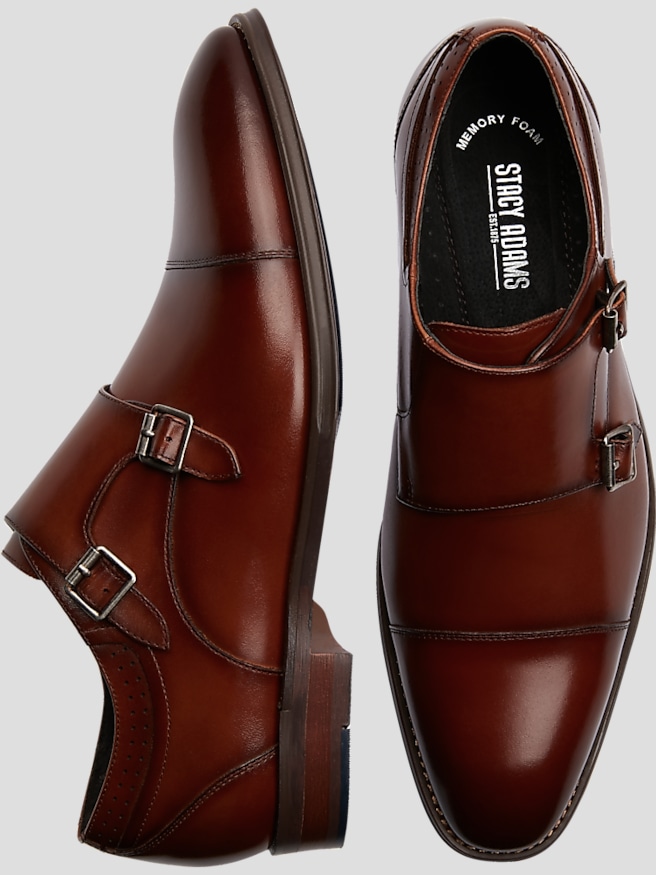
Shoes for date night work best when they match the venue, feel comfortable throughout the evening, and reflect the wearer’s personal style. A candlelit dinner, a neighborhood restaurant, and a night of live music can call for distinct levels of polish, even when each occasion starts with the same favorite trousers. Smooth leather lace-ups bring a clean, composed finish to a suit or tailored separates, while loafers offer a more relaxed balance with chinos, knitwear, and an unstructured jacket. Suede adds texture without relying on bright colors or prominent details, making it a natural companion to softly tailored clothing. For a casual setting, streamlined sneakers can keep an outfit easygoing without making it look like something chosen for a workout. The shape matters as much as the style: a moderately tapered toe generally looks refined, while a rounded profile feels more relaxed and leaves room for a substantial sole. Black shoes create a crisp finish with charcoal or black trousers; brown shades pair naturally with navy, tan, and many denim washes. Deep burgundy can add subtle character while remaining easy to coordinate. Shoes also help establish the balance of Outfits For Date Night, whether the clothing leans sharply tailored or comfortably understated. A narrow trouser opening often sits neatly above a lower-profile shoe, while a fuller leg can balance a slightly heavier silhouette. A hem that drapes cleanly rather than collecting around the ankle lets the footwear look intentional. Socks can echo the trousers for a continuous line or introduce a restrained pattern that appears only when seated. Coordinating a leather belt with the general tone and finish of the shoes creates cohesion without requiring an exact color match. These small relationships give date night footwear its versatility, allowing a well-chosen pair to feel appropriate at an intimate dinner, an anniversary celebration, or an evening that moves from a gallery opening to a nearby café.
Comfort becomes especially important when the evening includes more than sitting at a table. Walking several blocks, standing through a performance, or spending time on a dance floor places demands on shoes that may not be obvious during a brief fitting. A suitable fit keeps the heel secure, leaves enough space for the toes to move naturally, and holds the foot without pinching across its widest point. The upper should not press sharply into the instep, and the toes should not touch the front when walking. Leather may soften with wear, but that does not make a shoe that is too short or too narrow an appropriate fit. Trying shoes with the socks intended for the evening gives a more useful sense of the available space, particularly with closer-fitting loafers or sleek lace-ups. Anyone who uses an orthotic also needs sufficient depth and a compatible footbed rather than simply choosing a longer size. Materials influence both appearance and feel. Smooth leather offers a defined finish and can develop character with proper care; suede has a softer, textured surface that lends depth to simple clothing. Linings and interior seams deserve attention because rough edges or poorly placed stitching can become distracting over several hours. Cushioning can soften the feel underfoot, while a stable heel and supportive construction help keep each step controlled. An excessively soft footbed is not automatically more comfortable, especially if the foot slides or feels unsupported. Sole choice also affects the experience. Leather outsoles create a traditional dress-shoe profile, while rubber outsoles can provide useful flexibility and grip, depending on their design. Low-profile rubber options can preserve a refined appearance without the visual weight of a thick sole. For evenings with plenty of walking, a shoe that bends comfortably at the ball of the foot can feel more natural than one that resists every step. Trying a new pair before an important occasion gives time to notice rubbing, pressure, or heel movement without letting discomfort become part of the evening.
Well-kept shoes contribute to a finished appearance long after the first wear, and durability depends on materials, construction, use, and maintenance together. Dust along the welt, dull leather, or a visibly worn heel can draw attention even when the rest of an outfit is carefully chosen. Regularly removing surface dirt with a suitable brush or soft cloth helps keep smooth leather looking neat. Conditioning products should be appropriate for the leather and used according to their directions; too much product can leave buildup rather than improve the finish. A compatible polish can refresh color and add shine, with a restrained sheen often suiting date night just as well as a brighter finish. Suede needs its own tools and treatments rather than standard smooth-leather polish, and any new care product should be tested on an inconspicuous area first. After wear, allowing shoes to air out and using properly sized shoe trees can help maintain their shape. Alternating pairs gives the interiors time to dry naturally between outings. Direct heat can damage leather and adhesives, so gentle drying away from a heat source is the safer approach. Periodic attention to heel wear, loose stitching, and sole separation can reveal when professional repair is worth considering; some constructions allow resoling, but that depends on the shoe’s design and condition. These practical details matter most for footwear expected to move easily between dinner dates, theater outings, and other occasions that call for a considered appearance. Shoes can also make a thoughtful anniversary gift when the recipient’s size, width, and preferred fit are already known. Familiarity with the shapes and colors someone enjoys is more useful than choosing an unfamiliar style solely for its appearance. The strongest date night choices combine an appealing silhouette with dependable comfort and manageable upkeep. They complement the clothes, suit the plans, and let attention stay on the conversation rather than on sore feet or a slipping heel.