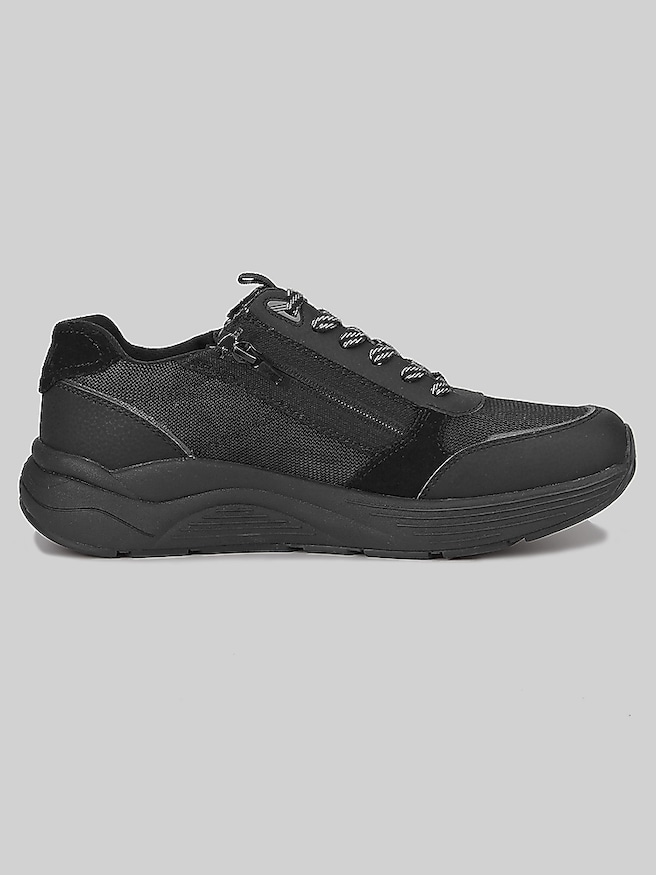
Shoes for big feet need to accommodate foot length, width, and overall shape—not simply provide a larger number on the box. A long, narrow foot can need a very different fit from a shorter foot with a broad forefoot or high instep. Extended shoe sizes address length, while wide widths add room across the foot; neither measurement automatically solves the other. In American men’s footwear, D commonly indicates a medium width, 2E a wide width, and 4E an extra-wide width, although design and sizing conventions vary. For feet that need additional room from side to side, Wide Size Shoes is a relevant category to consider alongside overall size. The shape of the shoe matters just as much as its measurements. A rounded toe can leave more space for the toes to lie naturally, while a tapered silhouette may feel closer through the front even at the same labeled size. The deepest part of the shoe should comfortably accommodate the instep, and the widest part should sit near the ball of the foot. A well-matched fit leaves space ahead of the longest toe without allowing the foot to slide forward at every step. It also holds the heel securely without hard pressure against the back of the foot. Buying extra length to compensate for insufficient width can place the shoe’s flex point too far forward and create unnecessary movement around the heel. Measuring both feet while standing helps establish a useful starting point, especially because one foot may be larger than the other. The socks worn with the shoes also affect the fit: thin dress socks take up less room than cushioned casual socks. For someone who uses an insert, interior depth and a removable footbed may be important considerations. Comfortable shoes should feel secure through the middle, spacious around the toes, and natural when walking, rather than requiring cramped feet to adapt to an unsuitable shape.
The best shoes for big feet also suit the places they will be worn. A polished leather lace-up can complement tailored trousers at the office, a wedding, or an evening event, while a more relaxed shoe can work with chinos or jeans for everyday plans. Oxford construction generally creates a close, neat profile through the instep; an open-lacing derby often allows more adjustment across the top of the foot. That difference can be useful for men whose feet need additional volume rather than width alone. Loafers offer a clean slip-on shape, but their fit depends heavily on the relationship between the heel, instep, and upper because there are no laces to fine-tune the hold. Casual lace-ups provide more adjustment and can feel appropriate for a day that includes commuting, standing, and walking between appointments. Boots extend coverage above the ankle and can pair naturally with denim or heavier-textured trousers, though their added coverage does not necessarily mean added support. Underfoot construction deserves equal attention. A flexible forefoot helps the shoe move with the foot, while a stable base and secure upper help limit unwanted shifting. Cushioning can soften the feel of repeated steps, but softness alone does not establish a good fit. A sole’s tread and material affect its grip, and footwear intended for specialized work should meet the requirements of that setting rather than relying on appearance. For dressier combinations, balanced proportions make a noticeable difference: a toe shape that follows the foot without excessive extension often looks clean beneath a straight or gently tapered trouser leg. A hem that falls neatly over the upper keeps the outfit connected without bunching around the shoe. Large shoe sizes do not require oversized details or a bulky silhouette. Simple stitching, restrained hardware, and an appropriate sole profile can create a refined finish while leaving room where the foot needs it.
Materials and construction influence how larger shoes feel, age, and respond to regular wear. Leather uppers can develop a supple feel and a distinctive patina, but they should begin with adequate room; leather softening is not a dependable solution for shoes that are too short or too narrow. Smooth leather offers a polished appearance and can be maintained with cleaning, suitable conditioning, and polish matched to the finish. Suede has a softer, textured look that pairs well with less formal clothing, and its nap generally benefits from a dedicated brush rather than conventional shoe polish. Textile uppers can provide flexibility and breathability, while synthetic materials vary widely in their feel, structure, and care requirements. Inside the shoe, smooth seams and comfortable lining matter during a long day, especially where the toes, heel, or instep make repeated contact. A firmly attached sole, evenly finished stitching, and a heel that sits squarely beneath the foot are useful construction details to notice. Durability depends on the full combination of materials, assembly, fit, and use—not on size alone. Shoes that fit poorly may develop concentrated wear where the foot presses against the upper or moves excessively inside it. Allowing footwear to air out between wears helps interior moisture dissipate, and shoe trees sized to the shoes can help leather footwear retain its shape. Direct heat can damage some materials and adhesives, so care should follow the footwear’s instructions. Wiping away surface dirt and storing shoes without crushing the uppers helps preserve their finish and structure. Shoes can also make a thoughtful gift for a partner, parent, graduate, or another man who values comfortable, well-chosen clothing, particularly for a new job or an important celebration. Accurate size and width information, preferred styles, and the recipient’s usual socks or inserts make that choice more personal. Whether worn with a suit or everyday separates, shoes for big feet should deliver the same combination of comfort, proportion, and purposeful design expected from any well-fitting pair.