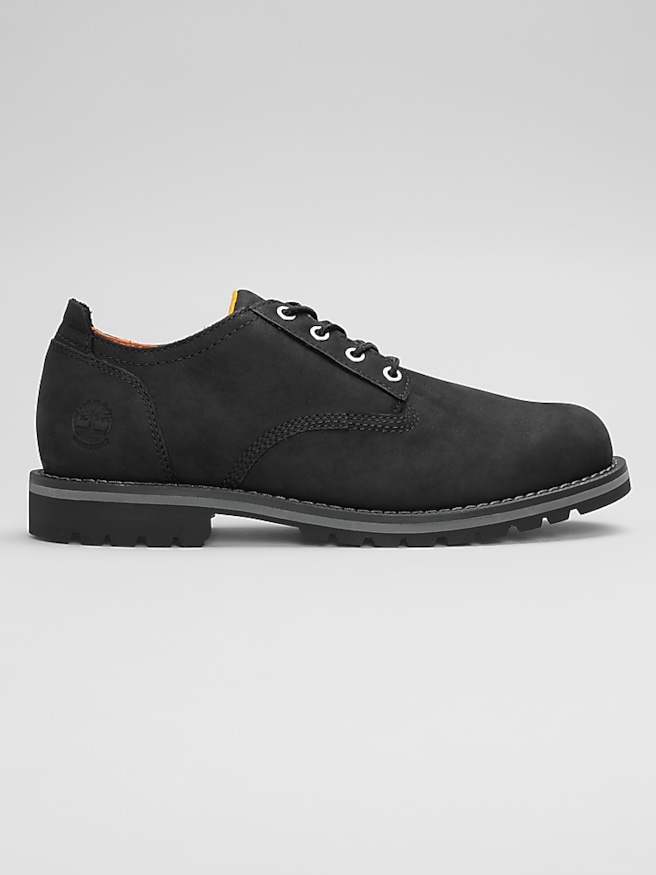
Rugged boots for men bring together durable materials, substantial soles, and a secure fit for everyday wear with a harder-working edge. Their appeal lies in the balance between practical construction and a grounded silhouette: enough presence to hold its own with heavy denim, but enough versatility to work with chinos and a casual button-down. A rugged appearance can come from textured leather, reinforced stitching, a pronounced tread, or a thicker sole, though looks alone do not establish performance. The upper, outsole, lining, and construction all contribute to how a boot feels and holds up over time. Full-grain leather often develops creases and a distinctive patina with wear, while nubuck and suede offer a softer, more textured finish that calls for care suited to the material. Synthetic panels can reduce weight or add flexibility, depending on the design. Underfoot, rubber outsoles are common for their resilience, and deeper lugs can provide useful purchase on loose ground. Traction still depends on the tread compound, surface, and condition of the sole; a chunky profile is not a universal promise of grip. Likewise, waterproof performance requires construction specifically designed for it, rather than leather or a tall shaft alone. Stitched or welted construction may allow resoling when the design supports it, while cemented construction can offer a lighter, more flexible feel. Neither method tells the whole story without considering the quality of the materials and assembly. For someone whose day includes a gravel driveway, a walk across town, and a casual dinner, that combination of durability and everyday styling makes rugged boots a natural fit. For a job site with protective-footwear requirements, however, rugged styling is not a substitute for documented safety features. Toe protection, electrical-hazard ratings, and other workplace specifications need to match the actual job. Everyday boots and purpose-built work footwear may share visual details without serving the same role.
Fit gives rugged footwear its everyday usefulness. A substantial leather upper and a thick outsole should not leave the foot feeling squeezed or disconnected from the ground. The heel should sit securely, the toes should have room to move without pressing against the front, and the widest part of the foot should align comfortably with the widest part of the boot. Extra length does not reliably solve a width problem; it can leave the foot sliding forward while the sides still feel tight. Socks matter, too. A pair tried with thin dress socks can feel noticeably closer with the thicker socks intended for regular wear. Lace-up designs allow adjustments across the instep and around the ankle, which can help accommodate individual foot shapes. Pull-on designs depend more heavily on the relationship between the heel, instep, and shaft opening. A higher shaft adds coverage, but comfort also comes from the collar shape, lining, and freedom to bend naturally. Cushioning can soften the feel underfoot, while a stable platform helps the boot feel planted. More padding is not automatically more comfortable, especially if it crowds the interior. Anyone who uses an orthotic benefits from checking interior depth and whether the footbed is removable. Leather may soften and flex with use, but persistent pinching, numbness, or toe pressure should not be treated as a normal break-in requirement. These practical details matter whether the wearer spends much of the day standing or simply prefers a substantial boot for errands and evenings out. Styling works best when the rest of the outfit acknowledges that visual weight. Straight or gently tapered jeans can sit neatly over the shaft, while chinos and an overshirt create a clean casual combination without making the footwear look out of place. Smooth leather and restrained detailing tend to feel more polished; pronounced lugs, contrast stitching, and textured uppers lean more casual. Within the broader Boots For Men category, rugged designs stand apart through their substantial proportions and practical character.
Long-term durability depends as much on routine care as on the original construction. Dust and grit left around seams and flex points can abrade materials, so a quick brush after wear does useful work without turning upkeep into a project. Smooth leather generally benefits from gentle cleaning and an appropriate conditioner used according to the maker’s directions. Too much product can alter the finish or leave a residue, and a treatment intended for smooth leather may not suit suede or nubuck. Those textured surfaces usually call for a dedicated brush and a cleaner designed to preserve the nap. Any protectant should be compatible with the material and tested in an inconspicuous spot before broader application. Boots that become damp should dry naturally away from direct heat, with the interior given time to air out before the next wear. Rotating pairs when possible gives linings and footbeds a chance to dry fully and can reduce the buildup of odor. Laces, eyelets, heel edges, and tread deserve occasional attention, too. A worn lace is easy to replace; a separating sole or heavily worn heel is a reason to have the footwear assessed before continued use. When resoling is possible, timely repair can extend the useful life of a well-fitting pair rather than letting wear reach the upper. This emphasis on maintenance is part of the appeal for someone who likes belongings that develop character through regular use. Scuffs and softened creases can suit rugged leather, provided the material remains cared for and the structure stays sound. The same qualities can make rugged boots a thoughtful gift for a father, partner, adult son, or friend who favors practical clothing. The most useful choice reflects the recipient’s established size, preferred width, typical socks, and daily routine rather than appearance alone. A comfortable, well-matched pair can become the footwear reached for with familiar jeans, a favorite jacket, and a full day ahead.