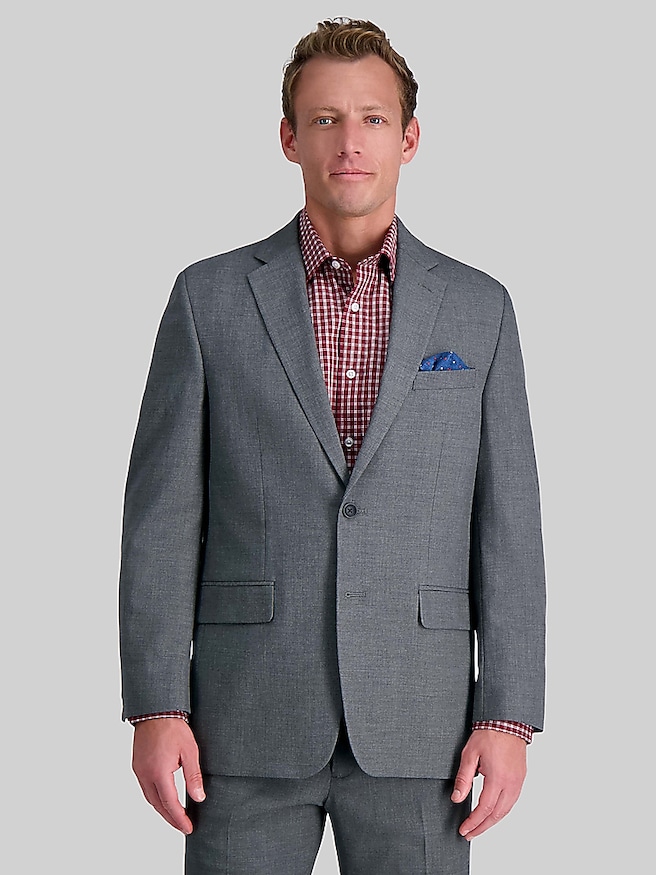
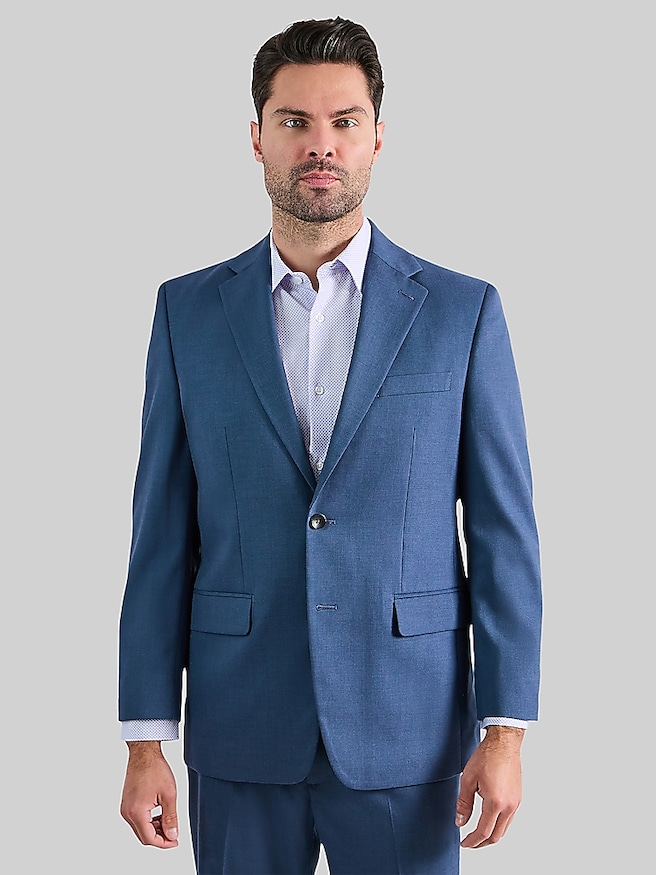
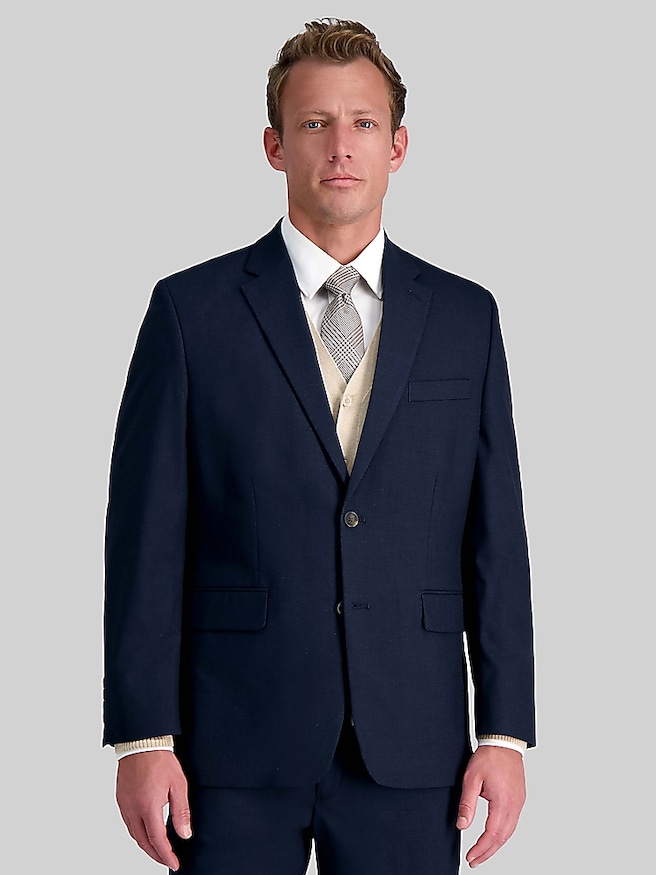
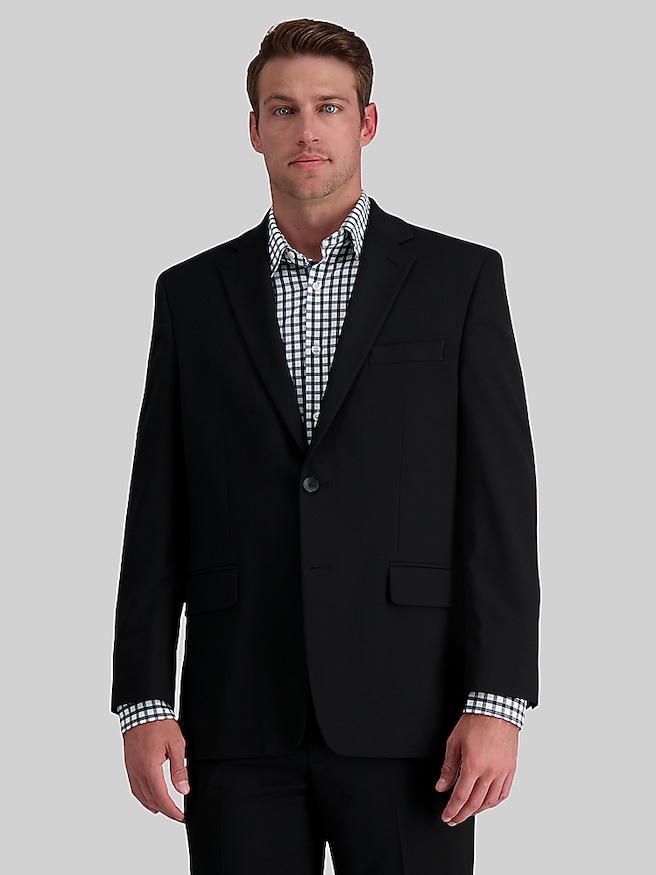
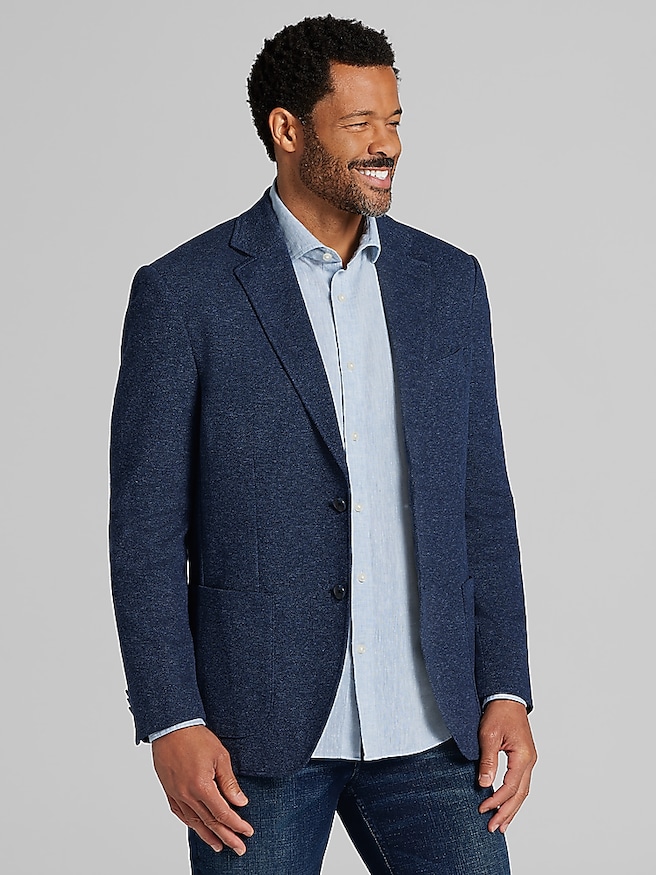
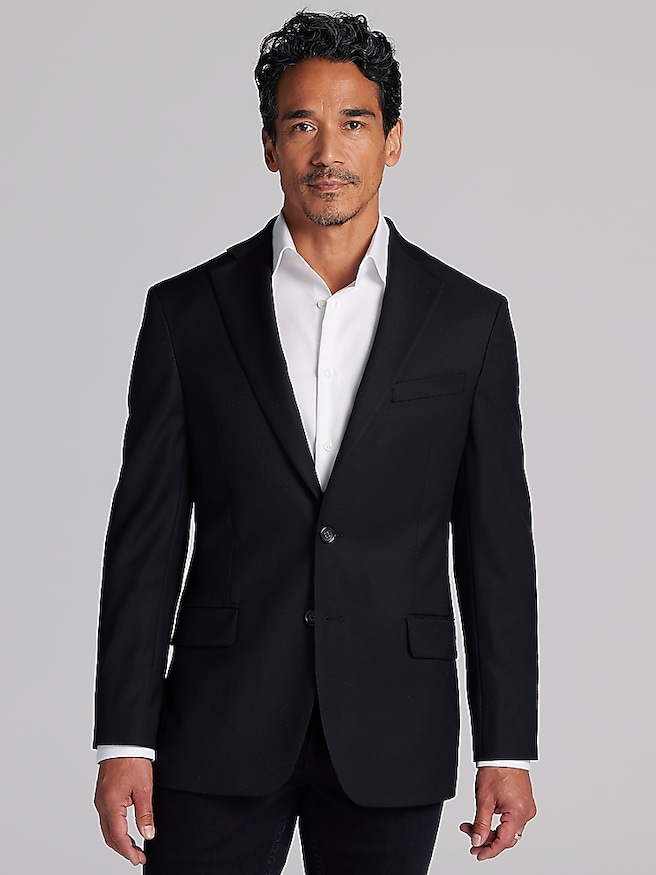
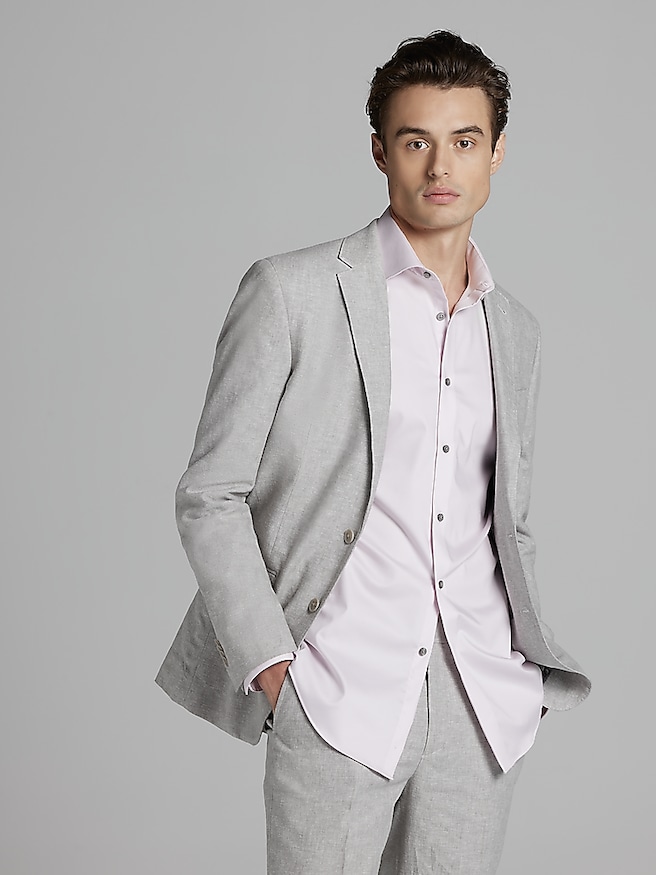
Quality blazers bring polish to everyday dressing without the formality of a complete suit. A well-chosen blazer can sharpen a pair of trousers for the office, add structure to dark denim for dinner, or provide an easy finishing layer when the weather turns cooler. The best styles balance appearance, comfort and versatility, making them useful across workdays, celebrations, travel and relaxed weekends. When evaluating a blazer, begin with the fabric. Wool remains a dependable choice because it offers natural breathability, a refined drape and enough warmth for cooler months without feeling heavy indoors. Cotton can provide a softer, more casual hand, while linen brings an airy texture that works especially well in warmer conditions. High-performance blends may add stretch, wrinkle resistance or easier care, which can be valuable for frequent commuters and travelers. The goal is not simply to choose the most expensive material, but to find a fabric that suits the way the blazer will be worn. A jacket intended for regular office use may benefit from resilient wool or a comfortable performance blend, while a versatile weekend layer may feel more natural in cotton or a softly textured weave. Color matters, too. Navy, charcoal, gray and muted earth tones tend to coordinate easily with shirts, sweaters and trousers already in a closet, while subtle patterns can add personality without limiting the number of outfits. For shoppers comparing options at different price points, our selection of Affordable Blazers can make it easier to find a polished layer that fits a practical wardrobe budget.
Construction is what often separates a blazer that looks good on a hanger from one that feels dependable after repeated wear. Examine the jacket from the inside as well as the outside. Seams should appear clean and even, with no distracting loose threads, puckering or unfinished edges. The lining should sit smoothly rather than pull across the back or bunch near the sleeves, and the shoulders should maintain a natural shape without excessive padding or sharp divots. On checked, windowpane or striped fabrics, thoughtful pattern matching at the pockets, lapels and side seams is a useful sign of careful workmanship. Buttons should feel securely attached, pockets should lie flat, and the lapel should roll cleanly without looking stiff or distorted. Fit is equally important. The shoulder seam should rest near the edge of the shoulder, not extend down the arm or pull inward. The collar should sit close to the neck, the jacket should close comfortably without strain, and the sleeves should allow a small amount of shirt cuff to show. A blazer that is too tight across the chest or upper back will restrict movement and show stress lines; one that is too loose may lose the tailored shape that gives the garment its appeal. Try moving naturally while wearing it—reach forward, sit down and raise your arms slightly—to make sure the jacket supports real life rather than only a standing pose in front of a mirror. A quality fit should feel composed but not confining. Depending on personal style, an unstructured blazer can offer a softer, lighter silhouette with minimal bulk, while a more structured design can create a traditional profile suited to professional settings and formal occasions. Consider the intended shirt, trousers and shoes before choosing the cut, since a blazer should work as part of an outfit rather than exist as an isolated statement.
A quality blazer can serve many people and make a thoughtful gift for a man building a more complete wardrobe. It is particularly useful for a recent graduate starting a first office job, a professional who wants a reliable alternative to a full suit, or someone attending dinners, weddings, presentations and other occasions that call for more than a shirt but less than formal suiting. It can also be a practical gift for a traveler who needs one adaptable layer to wear with several combinations. Picture a deep navy blazer folded over a carry-on: paired with a crisp shirt and tailored trousers, it is ready for a client meeting; worn with a fine-gauge sweater and dark jeans, it works for an evening meal after the workday ends. During the cooler months, a blazer can be layered over knitwear beneath a wool coat, adding warmth and shape without the bulk of a heavy jacket. In milder weather, an unlined or lightly constructed style can provide definition while remaining comfortable indoors and outside. Care will help preserve that versatility. Follow the garment’s care label, use a sturdy hanger that supports the shoulders, and allow the fabric to air after wear before returning it to the closet. Brushing away surface lint and rotating between jackets can reduce unnecessary wear, while professional cleaning should be reserved for when it is needed rather than used after every outing. Small alterations, such as adjusting sleeve length or refining the waist, may also improve the fit and extend the life of a well-made blazer. Whether selected for weekday dressing, special events or a dependable gift, the right blazer earns its place by making ordinary outfits feel considered and giving the wearer confidence that lasts from the first handshake to the final toast.