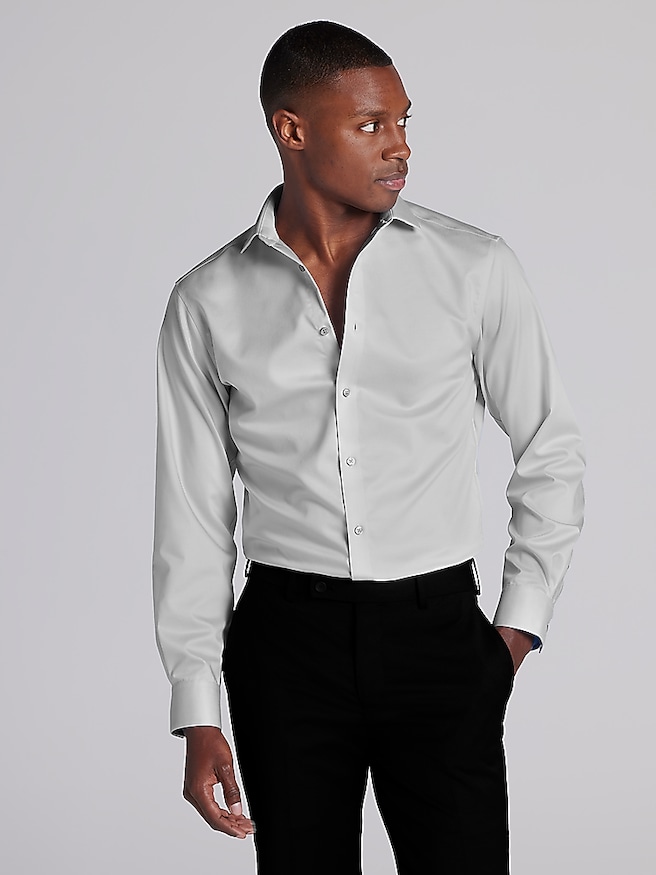
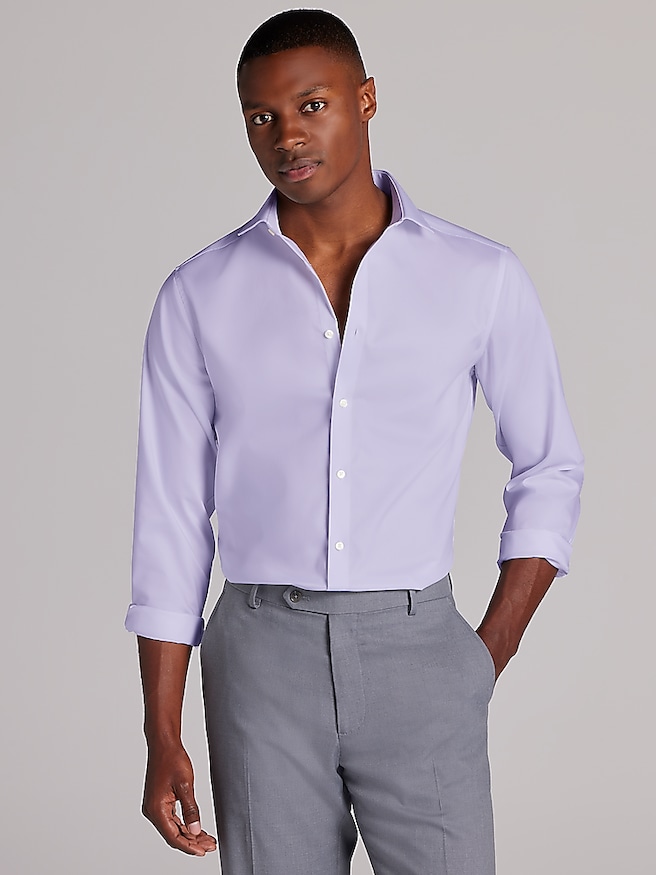
Premium prom night shirts are dress shirts chosen for refined fabric, comfortable tailoring, and details that complement a suit or tuxedo. Their purpose goes beyond looking crisp in a portrait: a well-made shirt needs to sit smoothly beneath a jacket, stay comfortable through dinner, and allow enough movement for a full dance floor. Fabric makes a noticeable difference in all three settings. Cotton is a traditional choice for its breathability, soft feel, and ability to take a clean press. Long-staple cotton can produce a smoother surface with fewer loose fibers, although the weave, construction, and finishing matter alongside the fiber itself. Cotton blends may offer easier care or improved wrinkle resistance, while fabrics with a small amount of stretch can add flexibility across the shoulders and elbows. Those benefits depend on the fabric composition rather than the word “premium” alone. A smooth poplin weave gives a shirt a clean, understated surface; twill adds a subtle diagonal texture and often a slightly fuller drape. Fine texture can add depth to an outfit without competing with a patterned jacket or distinctive tie. For a more traditional tuxedo look, pleated fronts and textured piqué bibs create a formal focal point beneath the lapels. A plain-front dress shirt generally feels less ceremonial and can transition more easily to other dressy occasions. Fabric weight and opacity also deserve attention, especially with white or pale colors: a shirt should look polished under event lighting without feeling unnecessarily heavy beneath a jacket. An undershirt close to the wearer’s skin tone can be less noticeable beneath light fabric than a bright white layer. The strongest impression comes from a balance of fabric, finish, and proportion, whether the overall outfit is classic black tie or a more expressive prom look. The shirt provides the foundation, leaving room for a sharp jacket, a meaningful accessory, or an unexpected color to give the outfit its personality.
Fit determines how that foundation looks and feels once the whole outfit is together. A trim silhouette can appear sharp, but tightness is not the same as good tailoring. The shoulder seams should sit near the natural shoulder line, the chest should lie smoothly without pulling between buttons, and the body should leave enough room to sit comfortably. Reaching across a dinner table or raising both arms on the dance floor should not make the shirt feel restrictive. Slim, tailored, and classic fit labels vary, so neck and sleeve measurements are more useful than relying on a familiar size name alone. A collar fastened for a tie should feel secure without pressing into the neck, and sleeves should reach the wrist without covering the hand. Beneath a properly fitted jacket, a small amount of shirt cuff can create a deliberate, finished edge. Shirt length matters, too: enough fabric below the waistband helps maintain a neat tuck through photographs, dinner, and dancing. Collar and cuff choices establish the level of formality. A spread collar works naturally with many necktie knots and can also frame a bow tie, while a wing collar creates a distinctly formal effect and is typically paired with a bow tie. French cuffs require cufflinks and bring an extra point of detail to a tuxedo or dressy suit; button cuffs offer a simpler finish with broader use afterward. Shirts designed for studs need compatible closures, so those details belong in the outfit plan rather than becoming a last-minute discovery. Color sets a different kind of tone. White creates clear contrast against dark tailoring, black supports a tonal evening look, and soft colors can connect with a tie or pocket square without repeating every shade exactly. A restrained shirt often gives a bold jacket room to stand out. When the shirt itself has texture or decorative detail, quieter accessories help keep the outfit balanced instead of making every element compete for attention.
The lasting value of a premium prom shirt comes partly from how well it holds up after the event. Even stitching, secure buttons, neatly finished buttonholes, and cleanly constructed collars and cuffs are useful signs of careful workmanship. These areas receive repeated handling and friction, so their construction matters as much as the first impression of the fabric. Care requirements also shape how practical a shirt will be beyond prom. The garment’s care label should govern washing, drying, ironing, and professional cleaning, since cotton, stretch blends, special finishes, and decorative details can need different treatment. Some shirts tolerate machine washing, while others call for more particular care. Excessive heat can cause shrinkage or affect stretch fibers, and an iron setting suited to one fabric may be unsuitable for another. Prompt attention to food marks and perspiration, following the recommended care method, helps keep collars and cuffs looking fresh. Removable cufflinks and studs should be taken out before cleaning, and a clean shirt benefits from storage that supports the shoulders without crowding the collar. A final press or careful steaming, when permitted by the label, can make a familiar shirt look composed again for graduation celebrations, weddings, awards dinners, or another formal dance. That versatility can also make a dress shirt a thoughtful gift for a student building a first formal wardrobe, particularly when accurate measurements and preferred fit are known. For a quieter approach to the same occasion, Minimalist Prom Party Shirts offers a related direction centered on simplicity. Whether the preferred effect is understated or more distinctive, a successful prom shirt feels like part of the complete outfit rather than a separate statement. Smooth fabric beneath the jacket, a collar that stays comfortable through dinner, and cuffs that sit neatly at the wrist are small details that make the evening easier to enjoy—and help the finished look remain convincing long after the first photograph.