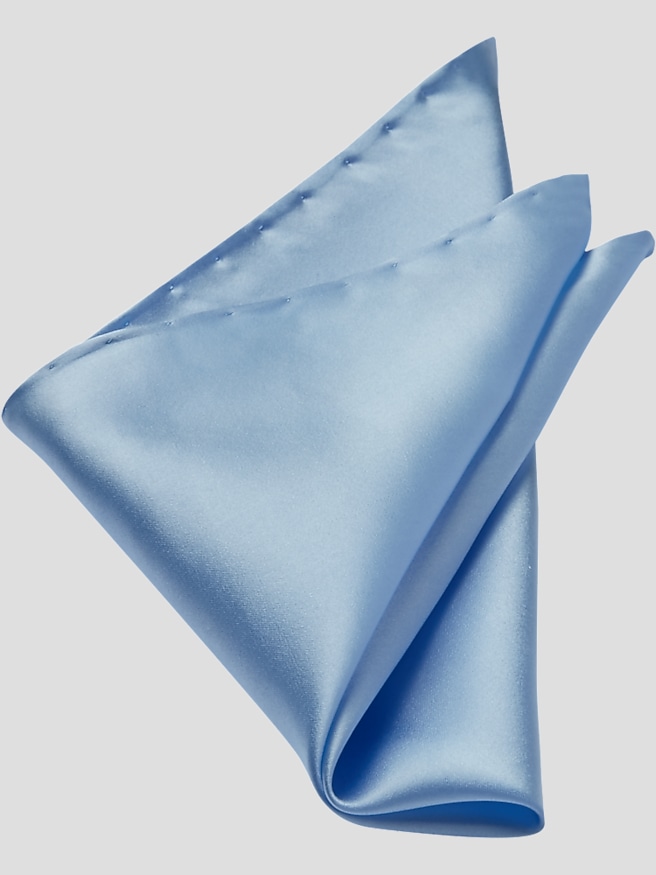
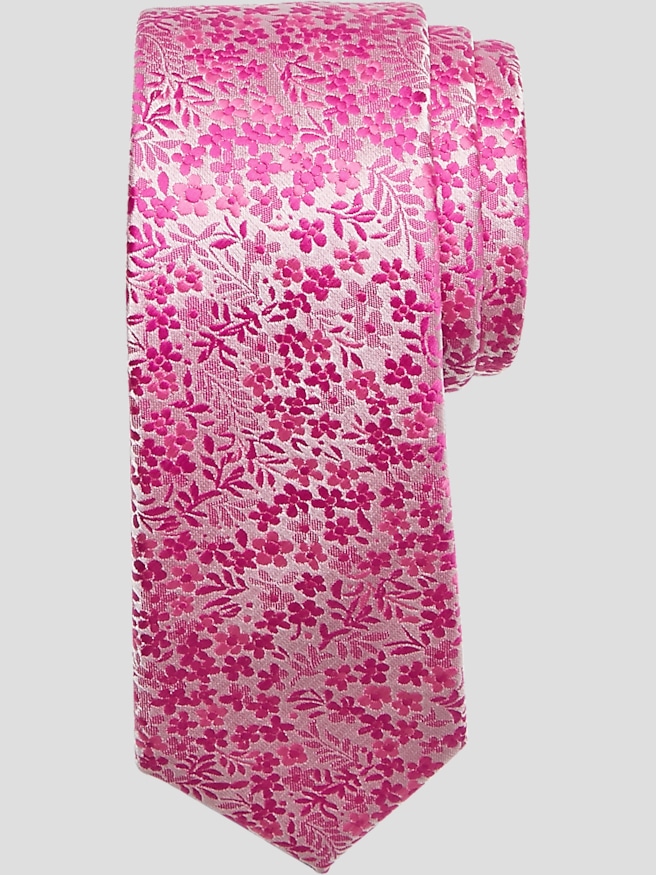
Pocket squares for navy suits add color, texture, and a finishing detail without taking attention away from the suit itself. Navy provides a versatile background for everything from a crisp white square to a richly patterned silk, making the accessory useful for business attire, wedding outfits, and dressed-up evenings. A white linen or cotton pocket square in a flat presidential fold is one of the most classic choices for a navy suit: the clean horizontal edge creates a clear contrast against the dark jacket and works with many shirt and tie combinations. A white square with a navy, burgundy, or dark green border offers a similarly restrained look with a small accent at the pocket. Burgundy and rust bring warm contrast, while cream, brown, and muted gold introduce softer depth. Light blue creates a tonal combination that feels subtle rather than stark, especially beside a white shirt. Patterned pocket squares expand those possibilities through paisley, dots, geometric designs, and small repeating motifs. The most cohesive combinations usually share a color without repeating the exact same design. A burgundy detail in a pocket square can pick up a narrow stripe in a tie, for example, while the rest of the pattern gives the outfit its own character. When a tie already has a bold print, a solid square or a quieter pattern keeps the chest area from looking crowded. With a solid tie, a more expressive square can become the main accent. Pattern scale matters, too: a small dot can sit comfortably beside a broad stripe because the designs remain visually distinct. Against a navy jacket, even a narrow strip of fabric is noticeable, so a successful combination does not require several competing colors or an elaborate fold. The strongest choice often supports the shirt, tie, and occasion while adding just enough contrast to make the outfit feel considered.
Fabric determines much of a pocket square’s appearance, from the sharpness of its fold to the way it sits inside the breast pocket. Linen has a dry, lightly textured surface and enough structure for clean edges, making it especially well suited to flat and pointed folds. Cotton also supports a neat shape, with a familiar softness that works comfortably alongside business shirts and understated ties. Both can develop creases, which may be part of their relaxed character or something to smooth out before a more formal occasion. Silk has a fluid drape and a reflective finish that can give burgundy, gold, and blue patterns greater depth. A loose puff allows that softness to show, while a softly arranged point reveals selected areas of a print. Matte silk and textured blends offer alternatives when a glossy finish would feel too pronounced beside the suit fabric. The relationship between the square and the pocket matters as much as the material itself. A generous square can produce a full puff, but heavier fabric may create a bulge in a narrow breast pocket. A very small, slippery square may settle below the opening instead of staying visible. The right balance leaves enough fabric inside the pocket to support the fold without distorting the jacket’s chest. Neatly finished edges and secure stitching are useful details for repeated folding and wear; loose threads or damaged corners can become more noticeable in a pointed arrangement. Care should follow the fabric label rather than a single rule for every square. Some cotton and linen styles can be washed, while silk, delicate prints, and contrasting borders may require more specialized attention. Gentle handling helps preserve the surface, and pressing should use the temperature appropriate for the material. After wearing, unfolding the square and storing it clean and dry helps prevent deep creases from becoming difficult to remove. Treating it as a decorative accessory rather than a handkerchief also helps protect its finish and keeps it ready for the next occasion.
The intended setting helps narrow the choice among otherwise compatible colors and fabrics. For a client meeting, interview, or presentation, a white square with a modest amount showing can give a navy suit a finished appearance without introducing another strong pattern. At a wedding, a burgundy silk puff or a cream square with a small printed accent can bring personality to an otherwise straightforward shirt-and-tie combination. The square can acknowledge an event’s color palette without duplicating every accessory or matching another outfit exactly. For a school formal, Navy Prom Pocket Squares offer a related way to explore color coordination with a navy suit, whether the overall look is restrained or more expressive. Dress codes still take priority: a decorative detail should support the level of formality rather than substitute for the appropriate suit, shirt, or neckwear. Pocket squares also work with an open-collar shirt when the occasion allows, adding a focal point where a tie would otherwise sit. In that combination, a relaxed fold often feels more natural than a highly sculpted arrangement. For someone who wears a navy suit frequently, several distinct colors or textures can change its appearance without changing the foundation of the outfit. White cotton might suit a professional appointment, a small blue print might accompany a dinner reservation, and a warmer silk accent might distinguish a celebration. That versatility also makes pocket squares thoughtful gifts for a graduate, a wedding participant, or someone building a professional wardrobe. A recipient who favors simple clothing may appreciate a neutral solid or discreet border, while someone comfortable with expressive accessories may enjoy paisley or an unexpected rust-and-blue combination. Personal taste matters more than complexity. A well-proportioned square in a compatible fabric can make a familiar navy suit feel more individual, with a detail that looks intentional both across a room and in a close-up photograph.