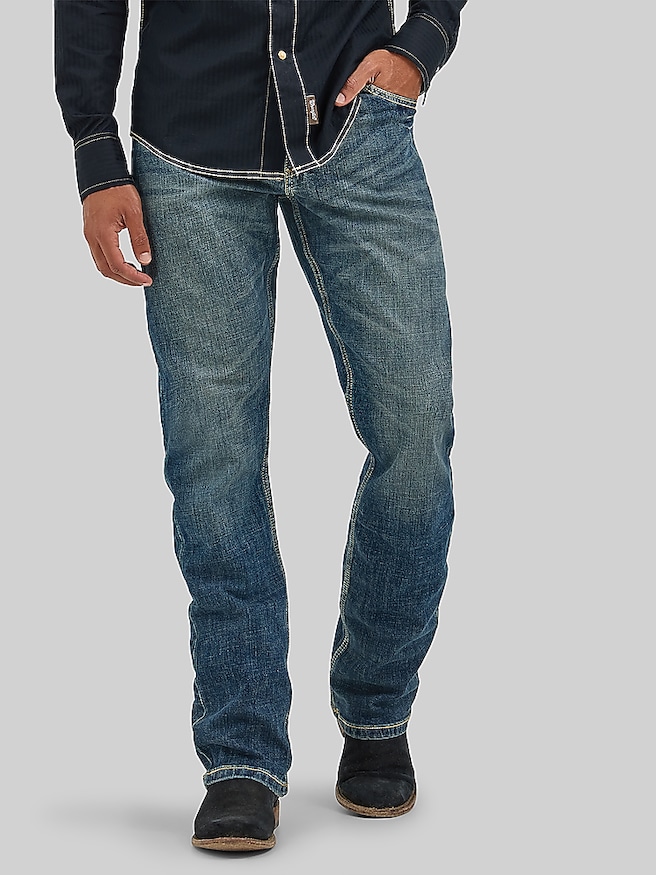
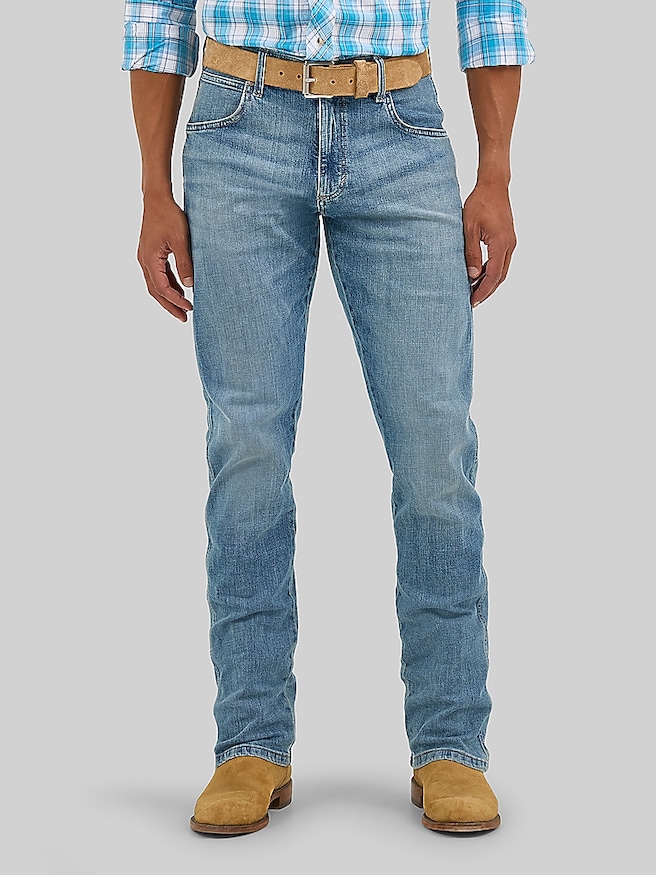
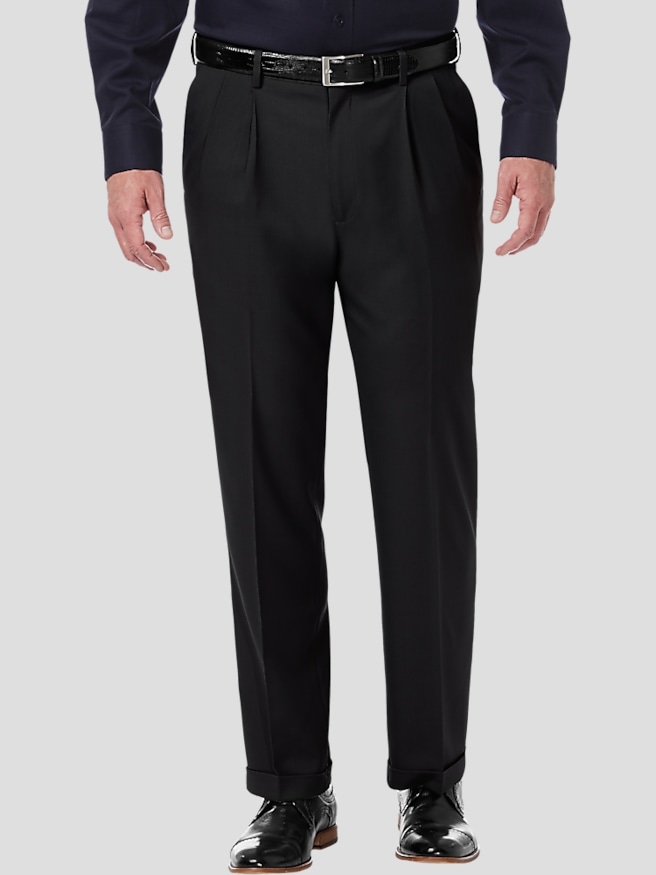
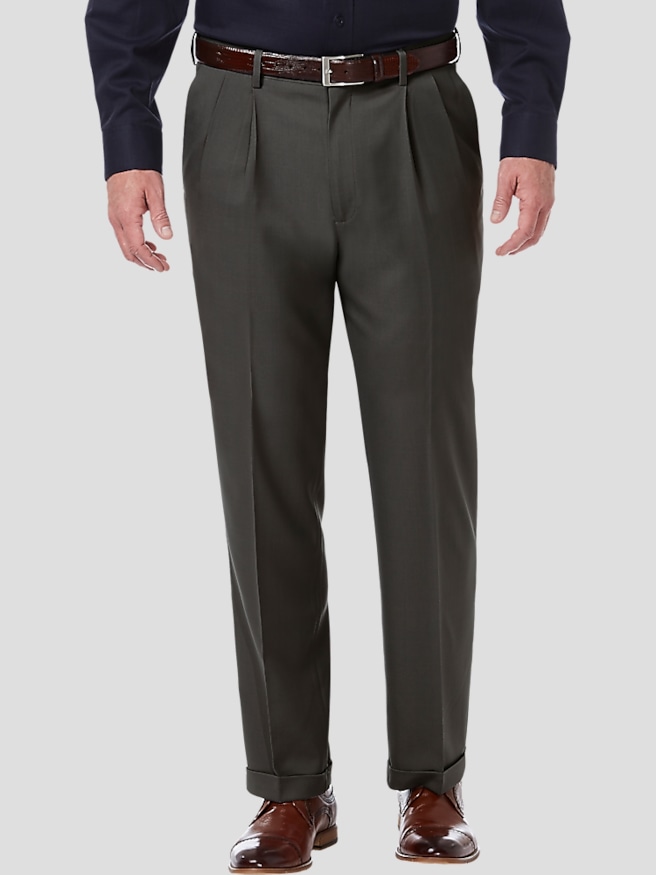
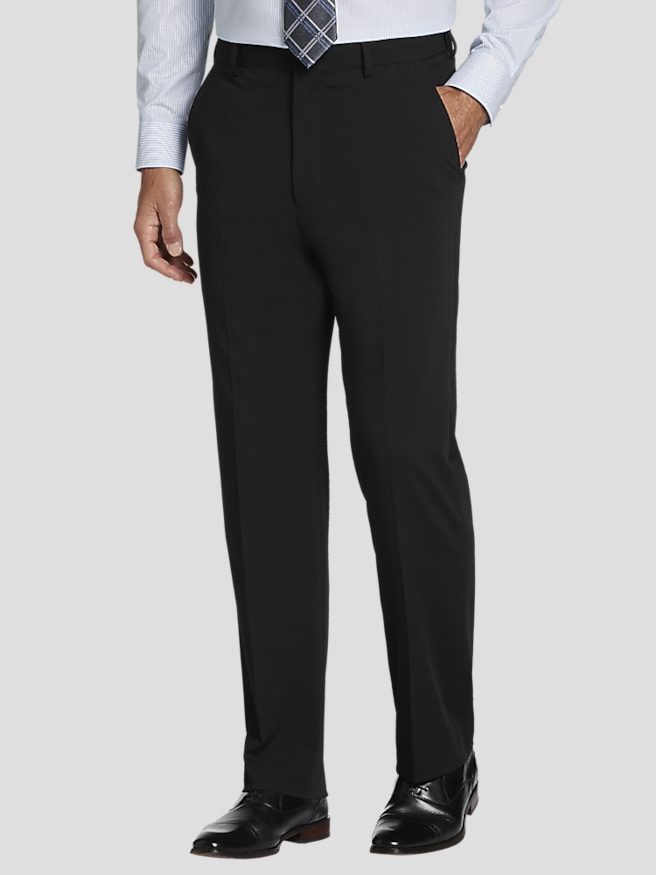
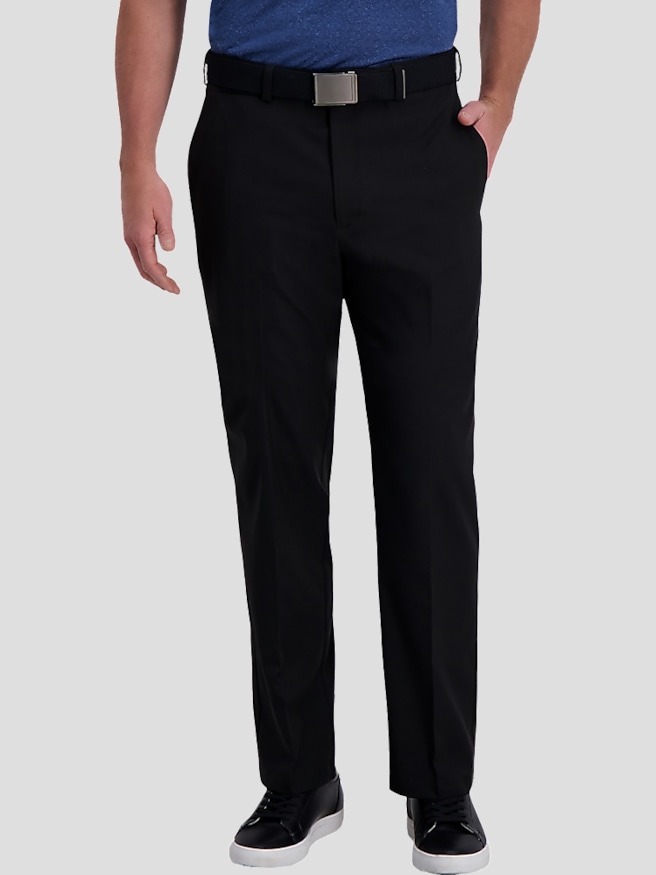
Performance pants for men combine the clean lines of chinos or dress trousers with fabrics designed to support comfortable movement. They suit days that involve more than sitting at a desk: walking to a meeting, climbing stairs, spending several hours in a car, or heading straight from work to dinner. The distinction is often in the fabric rather than the appearance. Polyester and nylon can contribute strength, lightness, and resistance to wrinkling, while elastane adds stretch that helps the material move with the body. Cotton blends may offer a familiar, softer hand with added flexibility. Fabric construction matters, too. A smooth weave can look more refined with a tucked-in shirt, while a subtle twill texture gives everyday outfits a little depth without looking sporty. Two-way stretch generally allows movement in one direction; four-way stretch extends in both directions, which can feel especially helpful through the seat and knees. Some fabrics also provide mechanical stretch through their construction without relying on elastane. Moisture-wicking treatments or yarns help move perspiration away from the skin, while breathable construction allows moisture vapor to escape. Those features are related, but they are not interchangeable, and stretch alone does not establish that a fabric has either one. Wrinkle resistance is another practical consideration for commuting and travel, although it does not mean pants will emerge perfectly pressed after being packed tightly. The best match depends on the setting: a streamlined pair with discreet pockets works well in many business-casual offices, while a more relaxed construction may feel better for errands or extended time in transit. For golf or other activities involving repeated bending and rotation, flexibility through the hips and thighs becomes particularly important. Performance trousers are not automatically substitutes for specialized athletic or protective clothing. Their everyday appeal is simpler: they can maintain a composed appearance while making ordinary movement less restrictive. Look for a fabric that feels comfortable against the skin, returns to shape after stretching, and has enough structure to hang neatly rather than cling.
Fit determines whether those fabric benefits translate into comfort throughout the day. A waistband should sit securely without digging in when seated, and the rise should allow a tucked-in shirt to stay reasonably smooth as the body moves. Stretch is useful, but it should not compensate for a size that pulls across the front pockets or creates tension at the fly. Slim-fit performance pants typically follow the leg more closely, making them easy to pair with a fitted knit polo or a trim button-down. Straight fits provide a more consistent line from thigh to hem, while athletic fits generally offer additional room through the seat and thighs with a narrower lower leg. Fit names vary, so waist, inseam, and cut descriptions are more useful than the label alone. For someone with fuller thighs, room in the upper leg can prevent the fabric from catching at the knee after standing up. For someone who prefers a sharper silhouette, a clean taper can provide definition without restricting a normal stride. The hem also changes the overall impression: little or no break reads crisp, while a slight break gives trousers a more traditional finish. Excess fabric bunching over the shoe can make even a well-fitting pair look untidy. Pocket placement deserves attention, especially for commuters who carry a phone, keys, or a slim wallet. Deep or secure pockets can be practical, but overloaded pockets may distort the silhouette and create pressure when seated. Neutral colors such as navy, charcoal, black, and khaki simplify outfit planning, moving easily between leather shoes, loafers, and understated sneakers where the dress code permits. A knit top makes the look relaxed; a woven shirt and an unstructured jacket bring it closer to office attire. A wardrobe centered on Versatile Pants For Men makes these outfit changes straightforward without requiring every pair to serve the same purpose. For flights, conferences, or a full day of appointments, the useful combination is a comfortable seated fit, a tidy leg line, and a fabric that recovers after movement.
Care and construction help determine how well performance pants hold up beyond the first few wears. Start with the garment’s care label, since blended fabrics, finishes, and waistband components can require different treatment. Many styles can be machine washed, but water temperature, drying method, and ironing limits should follow the stated directions rather than assumptions about synthetic fibers. High heat can affect stretch fibers and certain finishes, and fabric softener may interfere with moisture management on some treated fabrics. When machine washing is permitted, closing fasteners and turning pants inside out can help reduce abrasion on the outer surface. Giving them space to move in the washer, rather than packing the drum tightly, also supports thorough cleaning. Promptly hanging or smoothing pants after washing can reduce creasing; if pressing is allowed, use the recommended setting and take particular care around stretch panels or bonded details. A sturdy feel is useful, but durability also depends on seam quality, reinforcement at stress points, and how the pants are worn. Areas around pockets, the seat, and the inner thighs encounter regular friction, so even resilient fabrics benefit from sensible care. Stretch recovery matters as much as initial softness: trousers that return to their original shape are less likely to develop a loose-looking seat or knees during the day. Rotating pairs and addressing marks promptly can help maintain their appearance without excessive laundering. These qualities make performance pants a practical choice for professionals with active schedules, frequent travelers, golfers, and anyone who prefers flexibility in everyday clothing. They can also be a thoughtful gift for a graduate beginning an office job or someone whose routine includes frequent trips, provided the waist size, inseam, and preferred fit are known. For gifting, familiar colors and an established silhouette usually offer more everyday usefulness than an unfamiliar cut. Ultimately, well-chosen performance pants should feel easy to wear, look appropriate for their intended setting, and remain straightforward to care for—a dependable foundation for getting dressed and getting on with the day.