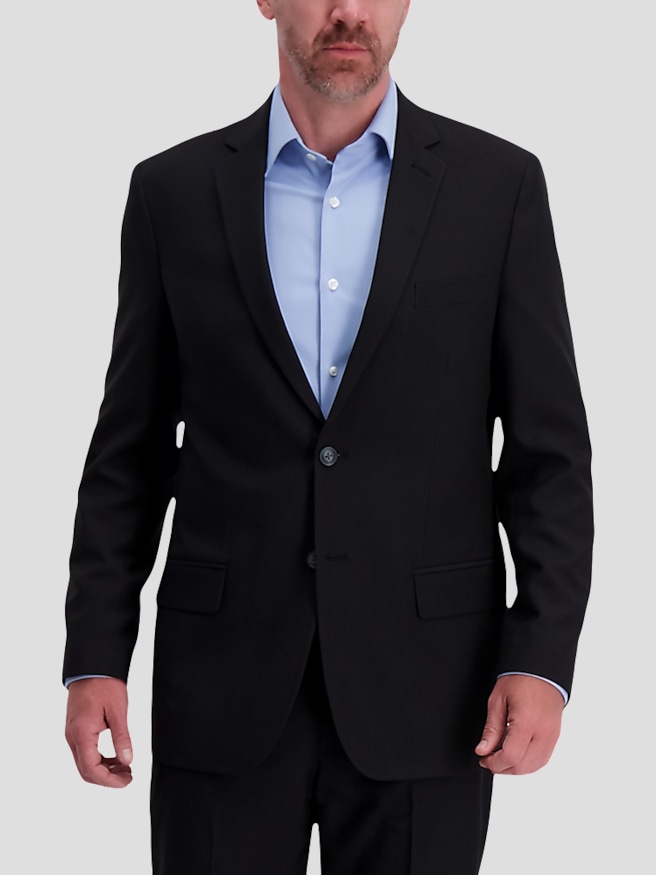
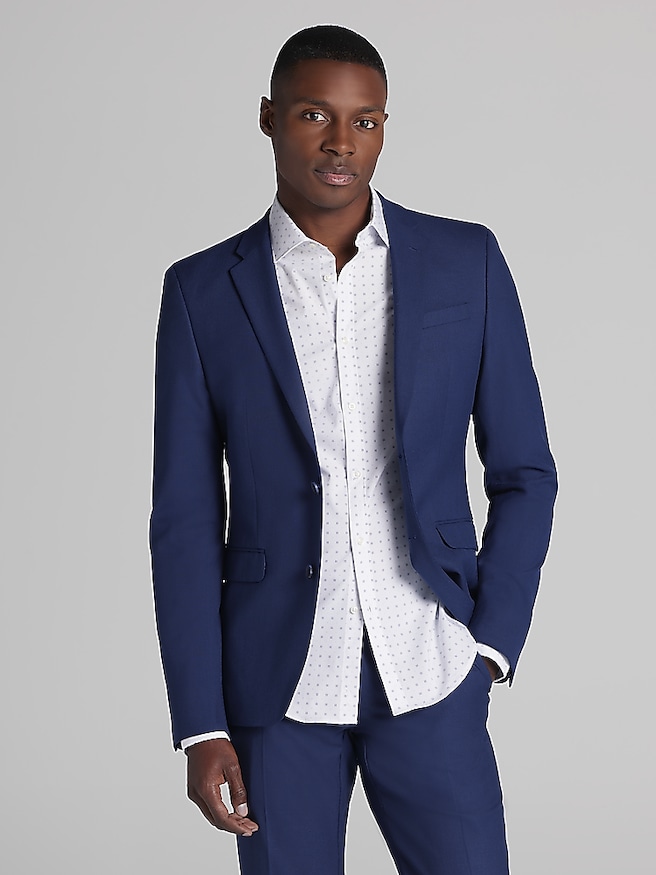
An outfit for a wedding party brings together the formality of the celebration, the wearer’s role, and the details that make a group look coordinated without making everyone look identical. Suits, tuxedos, dress shirts, tailored trousers, and finishing accessories form the foundation of wedding attire for grooms, groomsmen, attendants, parents of the couple, and guests. The invitation’s dress code provides the clearest context: black tie traditionally calls for a tuxedo with a formal shirt and bow tie, while formal or black-tie-optional celebrations generally accommodate a dark suit with a dress shirt and tie. Cocktail attire leaves more room for color, texture, and subtle pattern, provided the overall effect remains polished. Within a wedding party, a shared suit color can establish continuity while ties, pocket squares, or boutonnieres distinguish individual roles. A groom might wear a contrasting waistcoat, for example, while attendants share the same shirt color and coordinated neckwear. Navy and charcoal offer understated foundations that work with many wedding palettes; black creates a crisp, formal impression, particularly with a white shirt. Medium gray, rich blue, and softer neutral tones offer other directions when they suit the couple’s plans and the setting. These choices matter in person and in photographs, where a consistent level of formality often looks more cohesive than an exact match across every accessory. A satin lapel, a neatly folded pocket square, or a restrained tie pattern can give an outfit character without competing with the celebration. The looks gathered under Best Wedding Outfits provide additional context for wedding attire across dress codes and roles. Whether the occasion includes a ceremony, a seated dinner, or a reception with hours of dancing, the strongest combinations balance a considered appearance with enough comfort to remain composed throughout the event. Clothing that feels appropriate at the altar should feel equally natural during a toast or a conversation across the dinner table.
Fabric and construction shape how wedding party clothing looks, moves, and holds up beyond a single celebration. Wool suiting is valued for its drape, resilience, and ability to recover from light creasing, making it a versatile foundation for tailored wedding attire. Fine worsted wool has a smooth surface that works particularly well with crisp shirting and refined accessories, while more visibly textured weaves create a less formal impression. Blended fabrics can bring together qualities such as shape retention, softness, and ease of movement, though performance depends on the fabric’s composition and construction rather than its name alone. A small amount of stretch may make sitting, reaching, and dancing more comfortable, but it cannot compensate for a jacket or trousers that are too tight. Cotton dress shirts offer a familiar, comfortable feel, with broadcloth presenting a clean surface and twill adding subtle texture. Non-iron finishes can simplify preparation, although laundering and pressing requirements still depend on the care label. Inside a jacket, the lining and internal structure influence how it settles across the chest and hangs through the body. Clean seams, securely attached buttons, and neatly finished buttonholes are useful signs of thoughtful workmanship. Fit gives those materials their intended shape: jacket shoulders should sit close to the wearer’s natural shoulder line, the collar should rest against the shirt collar, and the front should close without pronounced pulling. Slim, tailored, and classic silhouettes offer different proportions rather than a ranking of how dressed up someone appears. A fuller cut can look just as sharp as a narrow one when the shoulders, sleeves, waist, and length are balanced. Trousers should hang cleanly through the seat and thigh, with a hem that complements the shoe rather than pooling over it. For someone standing through a ceremony and then sitting for dinner, comfortable room at the waistband and through the upper leg can make a meaningful difference.
Finishing pieces bring practical comfort and visual continuity to an outfit for a wedding party. A dress shirt collar should support the chosen tie knot without gaping, and the cuffs should allow natural wrist movement while showing a modest edge beneath the jacket sleeve. Silk neckwear adds a smooth finish, while a restrained woven texture can soften the look of a suit without making it casual. Pocket squares work well when they echo a color in the outfit rather than duplicate the tie exactly; a simple white fold also creates a clean connection to a white shirt. Leather lace-up shoes are a traditional partner for tailored wedding clothing, with sleek black styles fitting more formal combinations and brown tones complementing many blue and gray suits when the dress code permits. Formal evening attire typically calls for appropriately polished black footwear. Comfort depends on more than cushioning: secure heel placement, sufficient room at the toes, and a stable sole all contribute to easier movement from the ceremony to the reception. Socks long enough to cover the leg when seated preserve the line between trousers and shoes. Belts, when worn, generally look most cohesive in a leather color close to the footwear, while trousers designed for suspenders offer another clean approach. Accessories such as cuff links or a tie can also make thoughtful gifts for attendants, especially when the color and level of formality connect to the shared outfit. After the celebration, careful handling helps preserve the clothing for future weddings, milestone dinners, and other dressed-up occasions. A shaped hanger supports jacket shoulders, and proper trouser hanging helps maintain a clean crease. Empty pockets before storage, allow garments to air after wear, and follow each care label rather than assuming every tailored piece requires the same treatment. Stains deserve prompt attention appropriate to the material; repeated unnecessary cleaning can add wear. Shirts, shoes, and accessories benefit from the same measured care, keeping the complete outfit ready for another occasion rather than treating it as clothing with only one purpose.