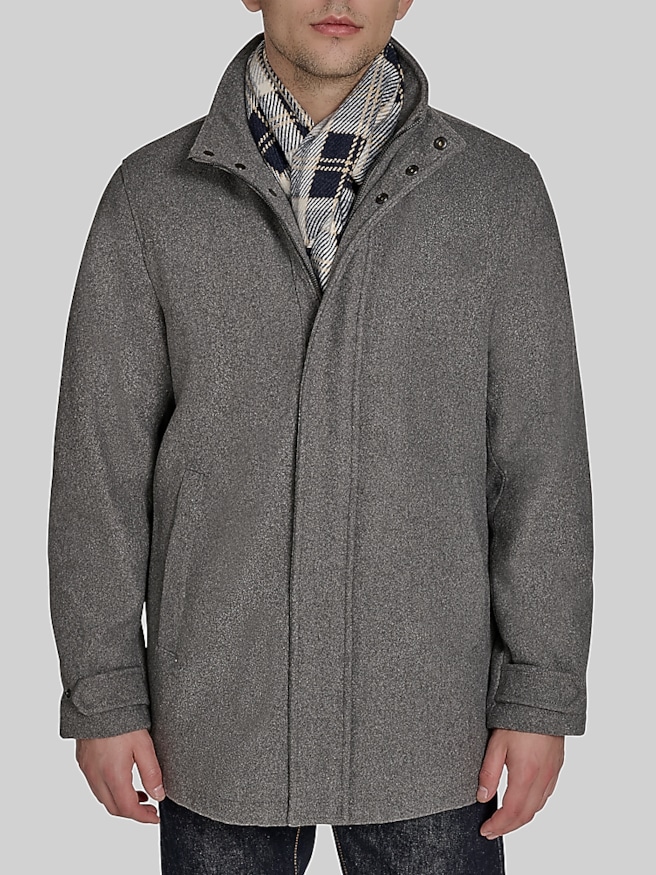
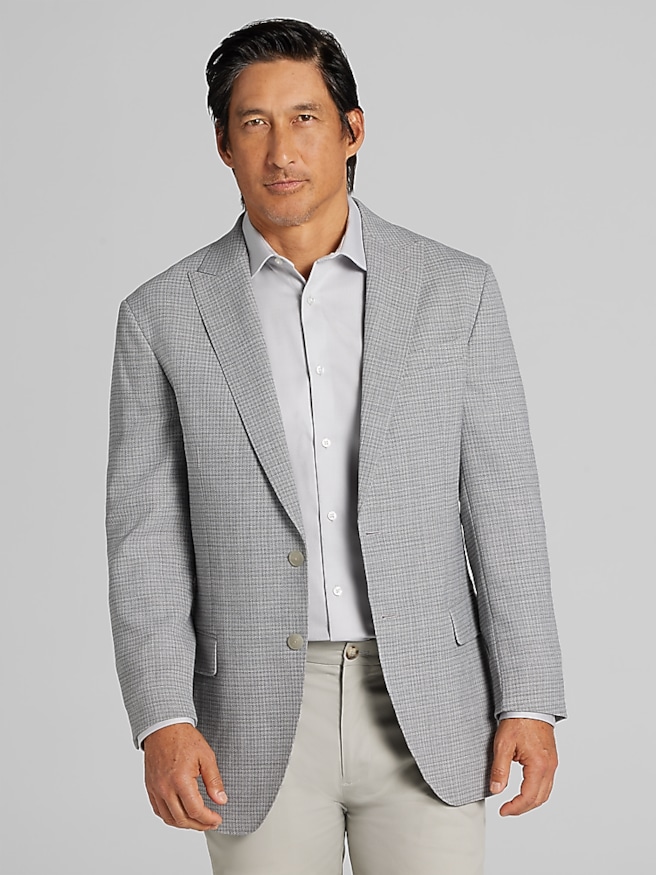
Finding dependable outerwear for big and tall men starts with more than choosing a larger size. A well-designed jacket should be proportioned for a longer torso, broader shoulders, and a fuller midsection so it provides coverage without feeling boxy or restrictive. Look for extended sleeve lengths that reach the wrist when your arms are relaxed, along with a hem that stays comfortably below the waist when you sit, reach, or get in and out of a vehicle. The shoulder seams should rest near the natural edge of the shoulders, while the body should allow enough room for a sweater, flannel shirt, or tailored layer underneath. This balance is especially important during the cooler months, when outerwear often needs to work over more than a lightweight shirt. A jacket that is simply scaled up may still have sleeves that are too short, a torso that rides up, or pockets placed at an awkward height. Big and tall outerwear is designed with these proportions in mind, helping create a more comfortable fit and a cleaner appearance from the first layer to the last. When comparing styles, pay attention to the fabric’s flexibility, the closure design, and the way the garment moves across the upper back. Stretch panels, articulated sleeves, action backs, and bi-swing shoulders can make it easier to drive, walk, carry a bag, or reach for something without binding. Room through the chest and midsection should feel easy rather than excessive, with enough structure to maintain shape and enough ease to accommodate natural movement.
Outerwear serves different purposes throughout the season, so choosing the right style depends on how and where it will be worn. Lightweight jackets and softshell layers can be useful for transitional days when temperatures shift between a crisp morning and a milder afternoon. Wind-resistant or water-resistant fabrics help provide practical protection during commutes, errands, weekend walks, and outdoor gatherings, while breathable materials and flexible construction prevent a jacket from feeling overly heavy. When colder conditions settle in, insulated and quilted designs add warmth without requiring several bulky layers. A comfortable lining can make the difference when putting on a jacket over a knit sweater, and an adjustable hood, stand collar, or secure cuffs can help limit drafts when the wind picks up. For wet conditions, consider a shell with a dependable water-resistant finish, covered closures, and pockets that help keep essentials protected. For everyday wear, pockets should sit at a natural, reachable height and be deep enough for a phone, wallet, gloves, or keys without pulling the front of the jacket out of shape. Dressier outerwear calls for a different kind of versatility. Longer silhouettes can provide a polished finish over business clothing, dress shirts, or a suit, while a restrained color and clean front keep the look appropriate for professional settings, dinners, ceremonies, and travel. Those seeking additional warmth should consider how the outer layer fits over a jacket or sport coat rather than judging the fit over a shirt alone. A little extra room through the shoulders and sleeves can preserve comfort and drape without making the coat appear oversized. For more options suited to lower temperatures and fuller layering, explore Men's Big and Tall Winter Jackets.
The right outerwear can become one of the most useful pieces in a man’s wardrobe because it bridges comfort, protection, and personal style. A commuter may appreciate a streamlined jacket that handles wind on the walk to work and folds easily into a car or office routine. Someone who spends weekends outdoors may prefer a roomier design with durable fabric, secure pockets, and enough flexibility for movement. A frequent traveler can benefit from a versatile layer that works with casual clothes, business-casual outfits, and dressier combinations while remaining comfortable through changing temperatures. Outerwear also makes a thoughtful gift for a partner, parent, brother, friend, or colleague, particularly when the recipient values practical clothing that can be worn often. Since fit is personal, gifting is easiest when you know the wearer’s usual size, preferred length, and typical layering habits. It can also help to compare measurements with a jacket that already fits well, paying attention to chest, sleeve, and back length rather than relying on size labels alone. Consider the recipient’s routine: a city dweller may favor a polished coat with a longer hem, while someone who enjoys outdoor activities may need water resistance, insulation, and adjustable details. Neutral shades tend to coordinate easily with denim, chinos, trousers, and suits, while subtle texture or contrast lining can add character without limiting versatility. Before wearing a new layer through the season, check that the zipper or buttons close comfortably, the collar sits flat, and the cuffs cover the wrists without sliding upward during movement. A proper fit should leave space for a normal layer underneath, keep the midsection covered when seated, and allow the arms to move naturally. With thoughtful proportions and weather-ready details, big and tall outerwear can provide reliable comfort from early cool days through the deepest part of the colder season, whether it is worn for daily routines, special occasions, travel, or time spent outside.