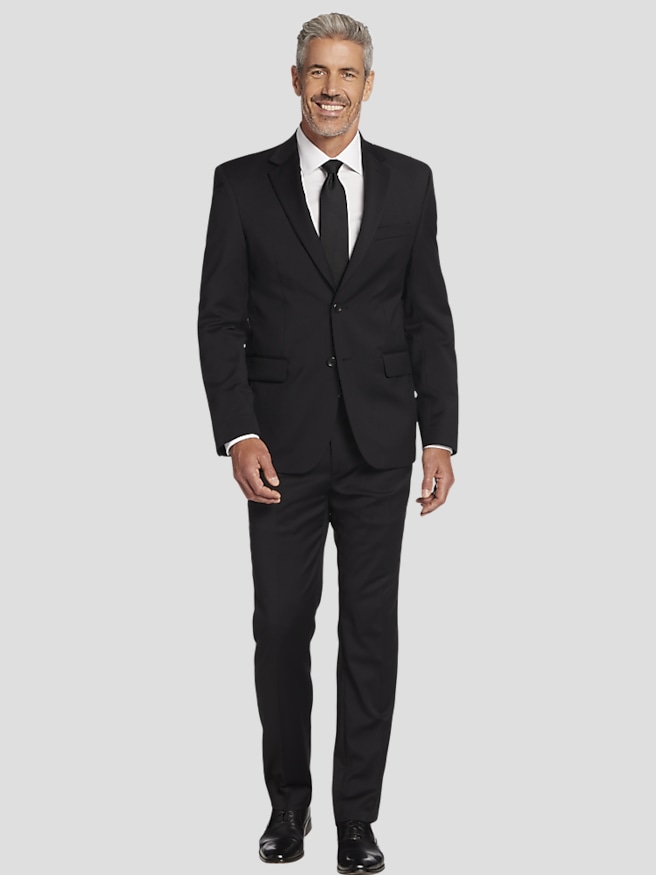
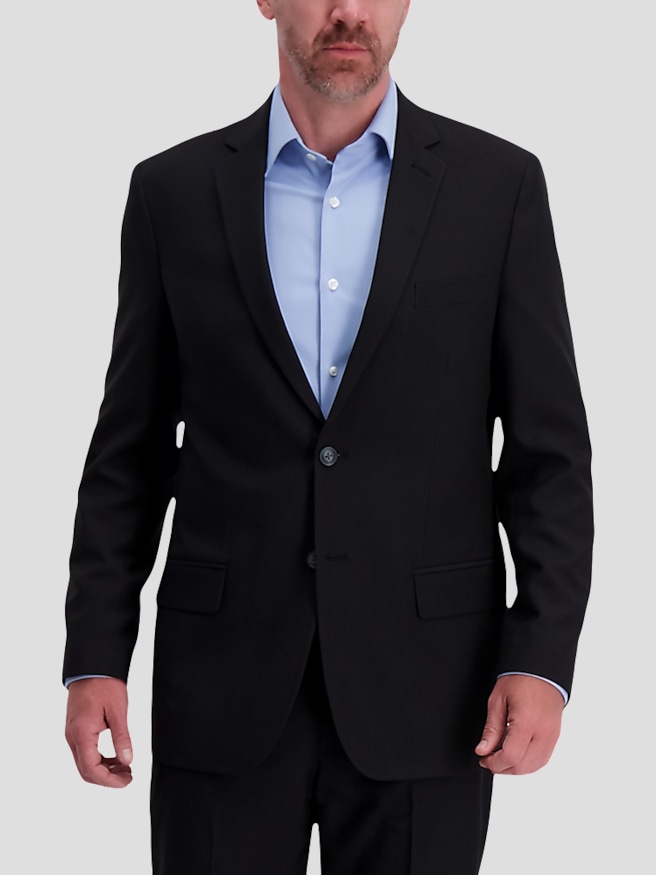
Fall wedding attire for men brings together occasion-appropriate tailoring, rich color, and fabrics that feel comfortable from an outdoor ceremony to an evening reception. Suits, tuxedos, dress shirts, and coordinating accessories can suit a range of celebrations, but the invitation and setting establish the level of formality. Black tie typically calls for a tuxedo with a formal shirt, bow tie, and polished dress shoes, while a formal or black-tie-optional celebration often accommodates a dark, well-tailored suit. Cocktail attire leaves more room for texture and understated pattern without losing the dressed-up feel of the occasion. Navy and charcoal are versatile foundations, especially when paired with a crisp white shirt; deep brown, burgundy, and forest green can bring a distinctly autumnal character where the dress code allows. The setting gives those choices context. A charcoal suit looks at home beneath a ballroom’s chandeliers, while a textured brown or navy suit can complement the wood beams and stonework of a countryside venue. Fabric matters as much as color. Midweight wool offers a useful balance of breathability, drape, and warmth, making it comfortable for a ceremony on a shaded lawn followed by dinner indoors. Wool blends vary in feel and performance, with some incorporating stretch for easier movement or fibers that help the cloth hold its shape. Flannel has a soft, matte surface that feels more relaxed than smooth worsted wool, while velvet brings depth and a dressier evening character when the occasion supports it. Heavily textured cloth generally reads less formal than a smooth, finely woven fabric, even in the same shade. For men who move between an exposed terrace, a receiving line, and a warm dance floor, the combination of fabric weight, lining, and layers can make a noticeable difference. The most convincing fall wedding outfits balance those practical details with the couple’s requested dress code rather than relying on seasonal color alone. A restrained palette also keeps photographs cohesive without requiring every element to match exactly.
The appeal of tailored wedding clothing is in how the pieces work together on the person wearing them. A jacket should lie cleanly across the shoulders, with lapels resting against the chest and enough room through the body to button without pulling. Sleeves that reveal a small amount of shirt cuff create a finished edge, while trousers with a clean drape keep the silhouette balanced. Slim, modern, and classic fits offer distinct proportions, but none should restrict sitting through dinner, reaching for a glass, or joining the reception festivities. Trouser length also changes the overall impression: a slight break feels traditional, while little or no break creates a sharper line when the fit and setting support it. A vest can add dimension to a coordinated suit and maintain a composed appearance when the jacket comes off, though an extra layer also adds warmth. Dress shirts provide the foundation beneath those layers. Smooth cotton offers a crisp appearance, and a collar that sits comfortably under the jacket helps frame a tie or bow tie without bunching. Subtle texture can add interest, but a quiet shirt often works best beside a patterned jacket or richly colored tie. The combinations featured in Men's Fall Wedding Formal Outfits reflect the connection between seasonal character and occasion-ready dressing. Accessories can carry that character without overwhelming the tailoring: a burgundy tie against navy, a softly patterned pocket square with charcoal, or dark brown leather shoes beneath a suitably informal brown suit. A pocket square need not duplicate a tie; a shared accent color is often enough to connect them. Black leather shoes remain a natural companion to black formalwear and many dark suits, while brown tones depend on the suit color and expected formality. For a ceremony on grass or gravel, a secure fit and a stable, comfortable sole are practical advantages. The result should look deliberate in photographs and remain comfortable through the less posed moments between them.
Wedding clothing also benefits from being considered beyond a single entrance or portrait. Grooms, members of the wedding party, and guests have different roles, and their outfits can reflect those roles without competing with the celebration. Coordinated suit colors and accessories help a wedding party look connected, while small distinctions in ties, pocket squares, or boutonnieres can identify the groom when that suits the couple’s plans. Guests generally look most at ease in clothing that honors the invitation and feels familiar enough to wear naturally. Someone giving a toast may appreciate a jacket that stays smooth while standing and gesturing; someone traveling to the venue may value cloth that recovers well after being packed. Durability comes from more than fabric weight. Sound seams, secure buttons, resilient lining, and careful handling all contribute to how well tailored clothing retains its appearance over repeated wear. Garment care should follow the label, especially for wool, velvet, and pieces with structured construction. A broad, supportive hanger helps a jacket keep its shape, and trousers hung neatly are less likely to develop unnecessary creases. Allowing garments to air after wear and brushing away surface dust can reduce the need for frequent cleaning. Stains deserve prompt attention appropriate to the fabric, since rubbing or applying an unsuitable treatment can leave a larger mark. Travel is easier on tailoring when jackets have room in a garment bag and shoes are packed separately from clean clothing. A gentle steam may release light wrinkles when the care instructions permit, but textured fabrics and delicate finishes need particular caution. Dress shoes also benefit from cleaning, conditioning suited to the leather, and time to dry naturally after exposure to damp ground. These everyday details preserve the drape, finish, and comfort that make an outfit feel polished. With thoughtful fit, appropriate fabric, and coordinated finishing touches, fall wedding attire can serve the ceremony, dinner, and dancing while remaining useful for other occasions with a similar dress code.