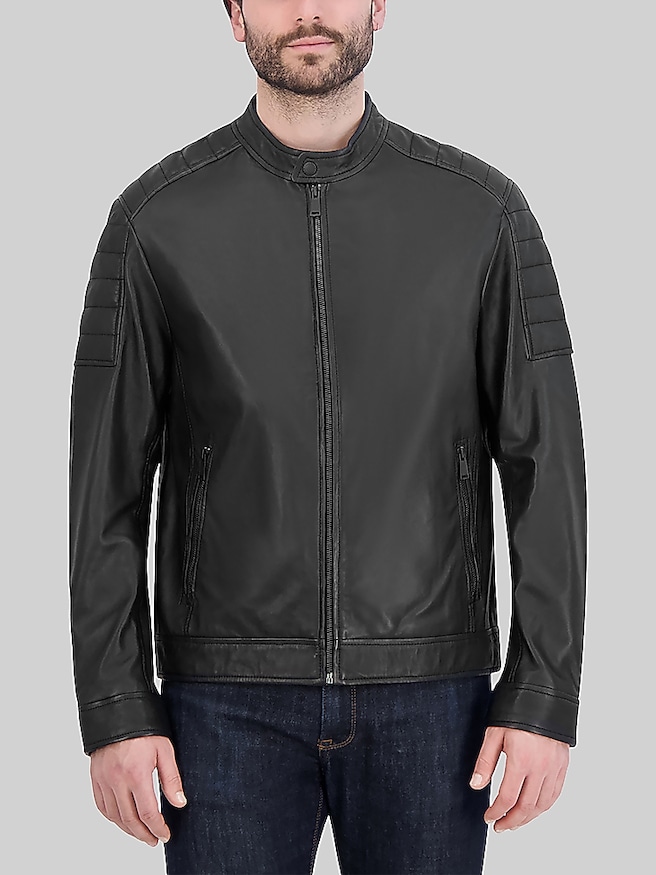
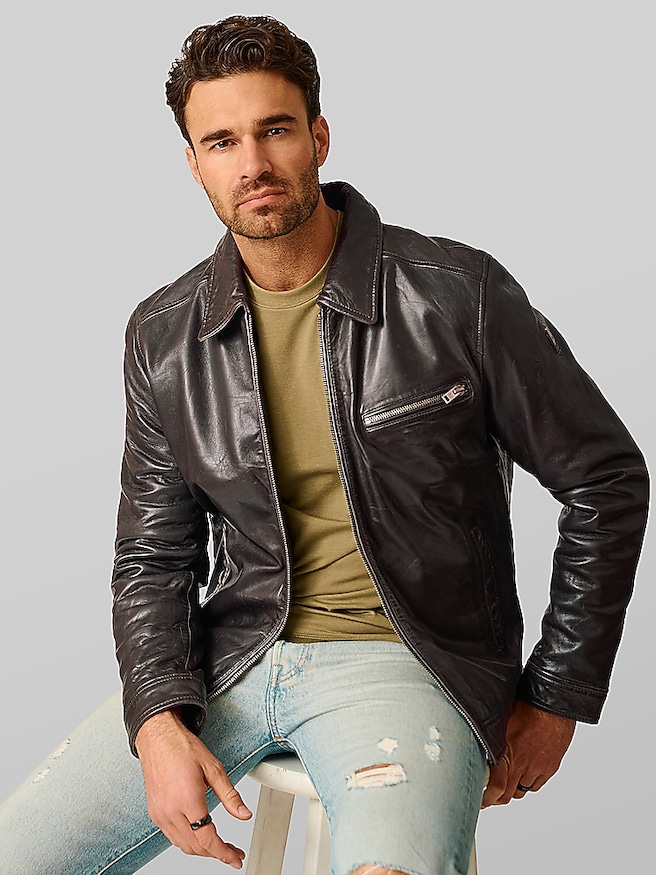
Notch collar jackets bring definition to an outfit without making every occasion feel formal. Recognizable by the small, angular opening where the collar meets the lapel, this familiar silhouette gives the chest a clean frame and creates a natural line toward the shoulders. The shape has a long association with tailored dressing, yet it works just as comfortably with an open-neck shirt as it does with a neatly knotted tie. That versatility makes a notch collar jacket a useful foundation for office days, dinner reservations, wedding celebrations, and gatherings where a little polish feels appropriate. Worn with coordinating trousers, it creates a composed, continuous look; paired with contrasting dress pants or chinos, it feels more relaxed while retaining structure. Navy, charcoal, and other understated shades provide an easy starting point for combining shirts and accessories, while checks, subtle woven patterns, and textured finishes add depth without relying on bright color. A fine pattern may look nearly solid from across a room, then reveal its detail up close—a useful balance for someone who wants personality without a loud statement. Lapel width also influences the overall impression. A narrower lapel creates a leaner visual line, while a more substantial lapel can sit comfortably alongside broader shoulders or a fuller tie. Neither needs to follow a rigid formula; the most convincing proportions look balanced on the person wearing them. During the cooler months, a notch collar jacket can sit over a fine-gauge sweater for a morning commute or bring shape to a soft knit at an evening gathering. For milestone photographs, presentations, and introductions, its appeal lies in that quiet sense of readiness. It looks intentional without requiring elaborate styling, making it equally relevant to someone building a first tailored wardrobe and someone refining a well-established approach to getting dressed.
Fabric and construction determine much of how a notch collar jacket feels throughout the day. Wool is valued for its drape, breathability, and resilience, with lighter weaves offering a smooth finish and more substantial cloth providing a reassuring feel in cooler weather. Brushed surfaces and textured weaves soften the appearance of tailoring, making them especially appealing with knitwear, corduroy trousers, or other fabrics with visible character. Cotton can lend a crisper, more casual impression, while linen and linen blends introduce an airy texture and a naturally relaxed finish that includes some creasing. Blended fabrics may contribute stretch, help the cloth recover its shape, or offer practical ease of wear, though the fiber content and care label remain the best reference for an individual garment. Lining matters, too: a full lining helps a jacket slide over a shirt or sweater, while partial lining can create a lighter feel. Shoulder construction changes the character just as noticeably. More structured shoulders give the upper body a defined outline, whereas softer construction follows its shape with less emphasis. Fit should allow that construction to work rather than fight against it. The shoulder seam generally belongs close to the natural shoulder edge, and the collar should rest smoothly against the shirt collar without a conspicuous gap. When the jacket is fastened, the front should lie cleanly rather than pulling into pronounced lines around the button. Enough room through the upper arms and back makes everyday movements—reaching for a notebook, greeting a colleague, or sitting through dinner—more comfortable. Sleeves should finish neatly at the wrist, allowing a little shirt cuff to show when worn with a dress shirt. Trying a jacket over the layer intended for regular wear helps reveal whether its proportions and ease are right. A fine sweater takes up more space than a lightweight shirt, and even a small adjustment in sleeve length can sharpen the entire outline.
The strongest wardrobe combinations let a notch collar jacket support the occasion rather than compete with it. For a business presentation, a smooth shirt, understated tie, and pressed trousers keep the focus on clean lines. For dinner after work, an open collar and textured trousers can make the same general silhouette feel less formal. Dark, clean-finished denim may also work for casual settings, provided the jacket’s fabric and construction have a similarly relaxed character. Shoes help establish the tone: polished lace-ups reinforce traditional tailoring, while loafers or simple leather boots can suit less formal combinations. Evening dress deserves particular attention to the invitation. A notch collar alone does not make a jacket appropriate for black tie, and formal events may call for purpose-built evening attire. For a visual contrast, Shawl Collar Jackets feature a continuous curved collar line rather than the angular break of a notch, creating another distinct approach to the neckline. Whichever silhouette suits the setting, thoughtful care helps preserve its appearance. A broad, shaped hanger supports the shoulders between wears, and a little space in the closet keeps the lapels from being crushed. Emptying pockets prevents lingering bulges, while gentle brushing with a suitable clothing brush can lift surface dust from compatible fabrics. Follow the garment’s care instructions before steaming, pressing, or cleaning; excessive heat and pressure can flatten texture or leave unwanted shine. Prompt attention to marks and professional care when indicated are preferable to repeated, unnecessary cleaning. Rotating jackets and allowing them to air after wear also helps them stay fresh and retain their shape. As a gift for a graduate, a partner, or someone marking a career milestone, a notch collar jacket is most personal when it reflects the recipient’s usual colors, build, and daily routine. Beyond the occasion itself, comfortable movement, balanced proportions, and fabric suited to regular use are what make a jacket feel like a lasting part of a wardrobe.