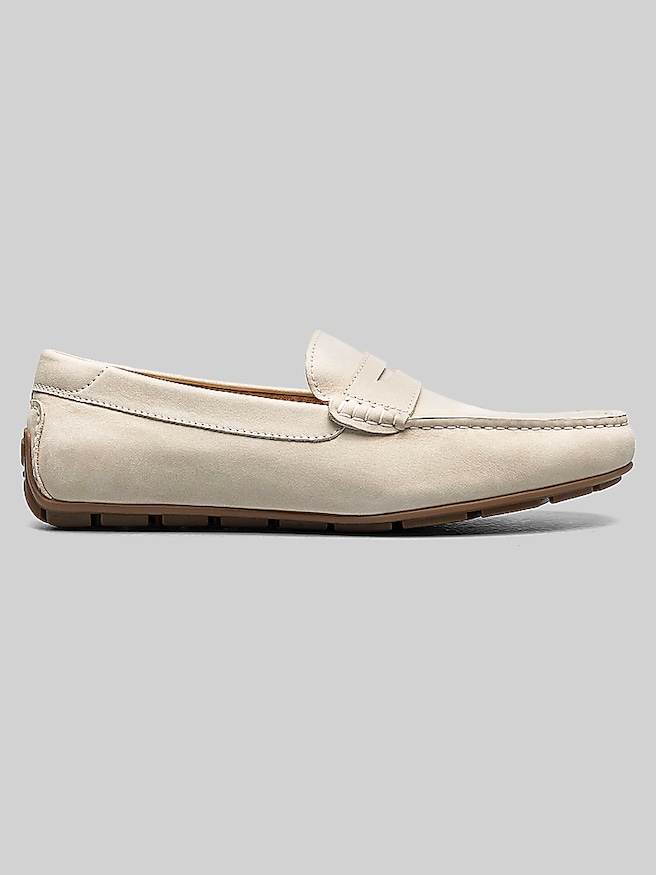
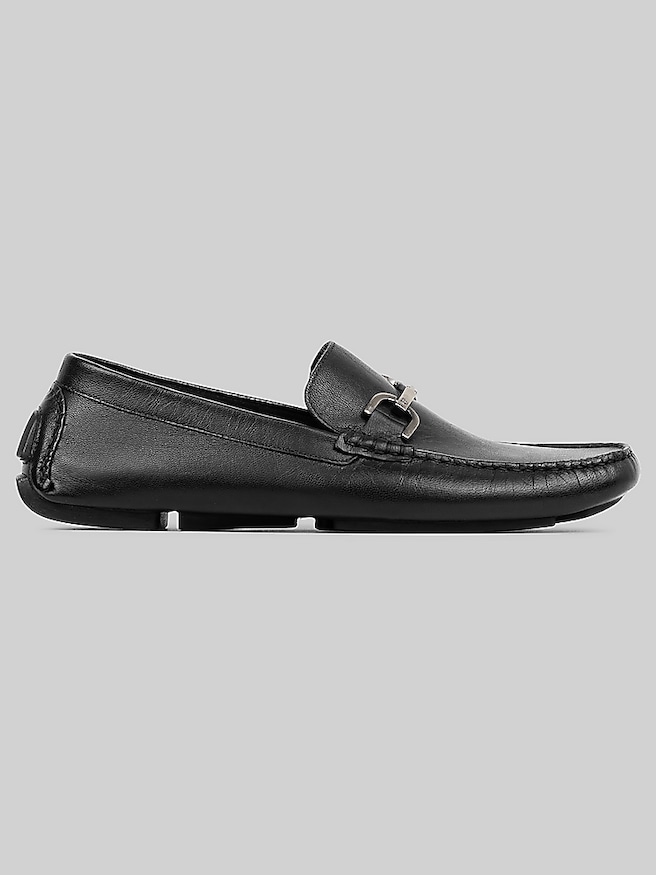
Non-slip driving shoes bring together the easy shape of a casual loafer and sole details designed to support controlled contact with vehicle pedals. The defining features are generally a low-profile silhouette, a flexible forefoot, and rubber traction elements underfoot, sometimes extending up the back of the heel. That heel coverage helps maintain contact as the foot rests on the floor and pivots between pedals, while a relatively thin sole allows a clearer sense of pedal pressure than a thick, heavily cushioned platform. Construction varies: some driving shoes have separate rubber pebbles or pods, while others use a more continuous outsole with patterned tread. Neither design alone establishes how slip-resistant a shoe will be. Rubber composition, tread condition, surface cleanliness, and the surface being contacted all influence grip, so the term “non-slip” should not be read as a promise that slipping cannot happen. For everyday driving, the useful balance is flexibility without a floppy feel, enough structure to keep the foot settled, and a sole that does not extend far beyond the upper. A broad, protruding edge or bulky toe can feel cumbersome around closely spaced pedals. A rounded heel can also make the transition from resting to pressing feel less abrupt, though the right shape depends on the wearer and the vehicle. These qualities suit commuting, errands, weekend outings, and trips that combine time behind the wheel with short stretches on foot. They also give drivers an alternative to heavier dress shoes when a relaxed but finished appearance makes sense. Driving footwear is not the same as protective motorsport footwear, and a driving-style sole does not automatically meet workplace slip-resistance requirements. For jobs with defined footwear standards, the relevant product specifications and employer requirements matter more than the name of the shoe. Everyday drivers benefit most from a secure fit, predictable pedal contact, and construction suited to the amount of walking their day includes.
Materials influence both the appearance of driving shoes and how they feel after several hours of wear. Smooth leather has a clean surface that pairs naturally with chinos and casual tailoring, while suede brings a softer texture that works well with denim and knitwear. Leather may become more supple with use, but the initial fit should still be comfortable rather than dependent on substantial stretching. Textile uppers and perforated details can encourage airflow, although the lining and overall construction also affect breathability. Inside, a smooth lining, neatly finished seams, and cushioning that stays in place help prevent distracting pressure points. Arch support and footbed thickness vary, making the interior shape just as important as the exterior profile. A shoe can look sleek without providing the right fit for every foot. Through the forefoot, there should be room for the toes to rest naturally, with no pinching across the widest part of the foot. At the heel and instep, the fit should feel secure enough that the shoe follows the foot instead of lifting noticeably with each step. Slip-on construction depends especially on that balance: too loose, and the wearer may grip with the toes to keep the shoe on; too tight, and the upper can press uncomfortably across the foot. Trying footwear with the socks normally worn for driving gives a more useful impression than judging fit barefoot. Any loose laces or decorative ties should remain clear of pedal movement. Durability also deserves attention beyond the upper material. Closely finished stitching, firmly attached outsole sections, and reinforcement around frequent flex points all contribute to everyday wear. Exposed leather between rubber pods can wear differently from a continuous rubber outsole, particularly when driving shoes spend substantial time on pavement. A flexible driver intended mainly for the car and brief stops may not provide the cushioning or abrasion resistance needed for extended walking. Matching that construction to the routine helps preserve both comfort and the shape of the shoe.
The appeal of driving shoes extends beyond the driver’s seat because their compact shape can make everyday outfits look considered without feeling formal. Brown leather brings warmth to navy chinos, an Oxford shirt, and a lightweight unstructured jacket, while black leather creates a quieter line with charcoal trousers and a fine-gauge knit. Suede works especially well with the texture of a polo or straight-leg denim, and a clean trouser hem keeps excess fabric from gathering around the shoe. For more outfit possibilities, explore Stylish Driving Shoes with the same attention to proportion, texture, and practical wear. The best-looking combination still needs to suit the day: a comfortable drive followed by lunch or a brief appointment asks something different of footwear than hours of standing or a long walking route. Care supports that versatility. Removing loose grit from the outsole helps keep tread details clear, and checking rubber contact points for smoothing or separation gives an early indication of wear. Smooth leather benefits from gentle cleaning and an appropriate conditioner used according to the material’s care instructions; too much product can leave residue rather than improve the finish. Suede generally calls for a suitable brush and material-specific treatment instead of ordinary leather polish. Letting shoes air out between wears, keeping them away from direct heat, and supporting their shape during storage can help protect the upper and lining. Cleaning products should never leave a slick coating on the sole. As a gift, driving shoes make sense for someone who enjoys a polished casual wardrobe, spends regular time behind the wheel, or prefers a lighter alternative to substantial lace-ups. Knowing the recipient’s usual size, preferred width, and comfort preferences is more useful than choosing by appearance alone. A familiar color and an understated shape can make the gift easier to incorporate into an established wardrobe, while thoughtful attention to fit and intended use keeps everyday function at the center of the choice.