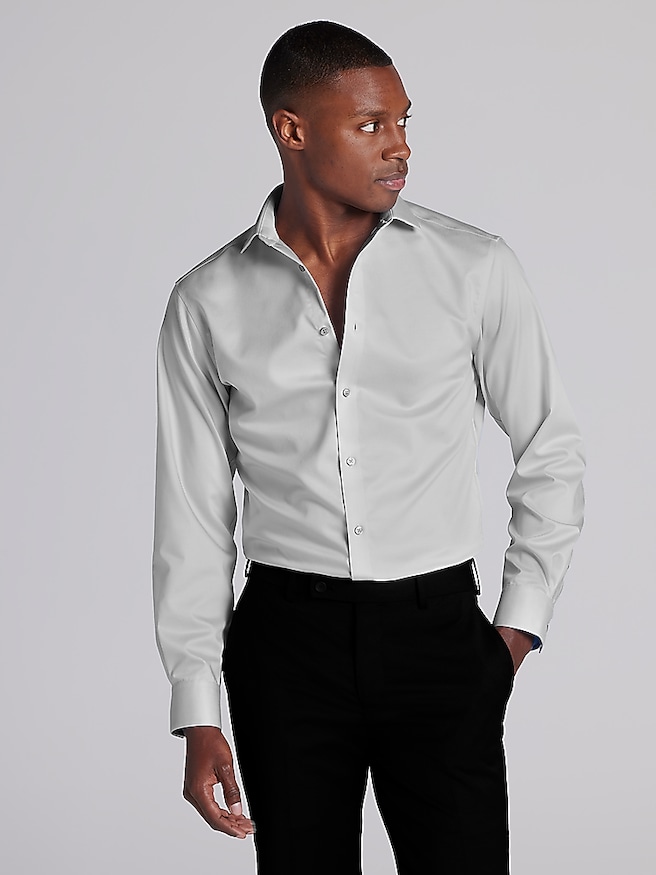
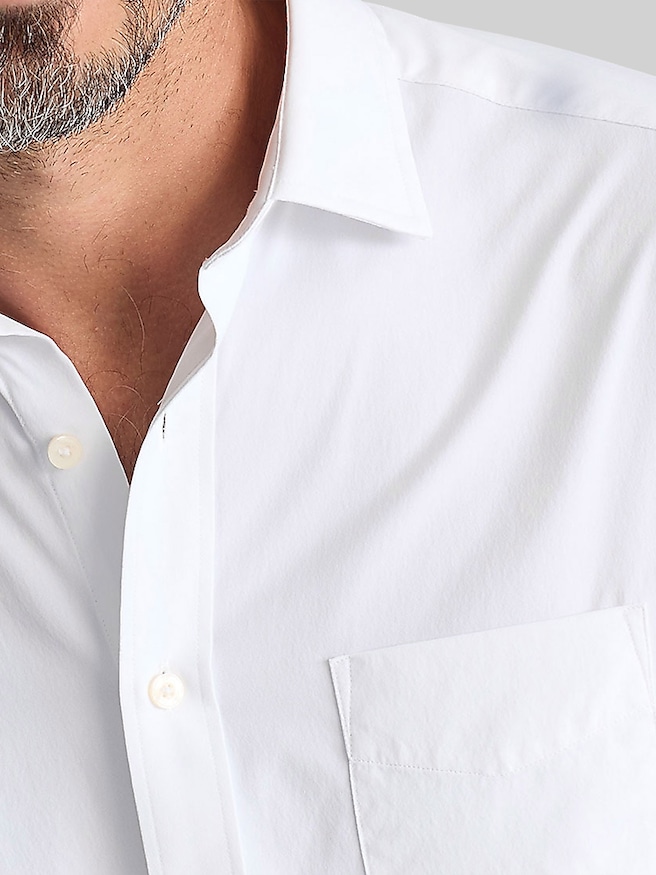
Dress shirts to wear without a tie create a polished look with a more relaxed neckline, making them a useful part of a wardrobe that moves between work, dinner plans, and social occasions. Without a tie drawing the eye, the collar, fabric, and fit do more of the work. A collar with enough structure to hold its shape frames the face neatly rather than collapsing against the chest or disappearing under a jacket. Spread and semi-spread collars can create a balanced opening, while a point collar offers a narrower outline; neither automatically requires a tie. A button-down collar anchors the points to the shirt and gives the overall look a slightly more casual character. Collar stays, where the shirt is designed to accommodate them, help keep the tips straight. Leaving the top button undone usually provides a clean starting point, with a second open button depending on the neckline, setting, and personal comfort. The collar should sit comfortably against the neck without pulling backward or spreading so far that it looks disconnected from the shirt. Under a sport coat, collar points that rest neatly near the lapels help the layers look intentional. Worn on its own, the shirt benefits from a smooth front placket and fabric that lies flat across the chest. Solid white and light blue offer a crisp foundation, while subtle stripes, small checks, and textured solids add interest without needing a neckwear pattern to complete the outfit. Deeper colors can create a more understated evening look with tailored trousers. These shirts suit offices that permit open collars, restaurant dinners, networking gatherings, and wedding guest outfits when the invitation allows a relaxed approach. Skipping the tie changes the level of formality, however, so an open-neck shirt is not a substitute for attire specifically required by an event or workplace. The strongest combinations look deliberately dressed rather than simply unfinished, with a well-shaped collar, balanced proportions, and trousers that match the occasion.
Fabric and fit determine how comfortable a dress shirt feels after several hours and how neatly it holds its shape without a tie. Cotton offers a familiar, breathable feel, though the weave makes a noticeable difference in texture and appearance. Poplin has a smooth surface that pairs naturally with tailored clothing, while twill has a subtle diagonal texture and often a softer drape. Pinpoint and Oxford weaves bring more visible texture, with the finished shirt’s construction determining how dressy or casual it looks. Cotton blends may offer easier maintenance, added stretch, or improved resistance to wrinkling, but those qualities vary by fabric and finish. A small amount of stretch can make reaching across a desk or sitting through a long dinner more comfortable; it should support movement rather than compensate for a shirt that is too tight. Across fit categories, the shoulder seams should sit close to the shoulder edges, and the chest should remain smooth without gaps between the buttons. Slim fits generally follow the torso more closely, classic fits typically provide more room, and modern fits often fall between them, although measurements vary. Sitting down, bending an elbow, and reaching forward reveal more about comfort than standing still in front of a mirror. Sleeves should allow natural movement without excessive bunching, and cuffs should close comfortably around the wrists. Shirt length also matters. Longer, curved tails are generally intended to stay tucked into trousers, keeping the waist neat when walking or sitting. A shorter hem designed for untucked wear can work with chinos or dark denim without leaving too much fabric below the waistband. An untucked shirt under a casual jacket needs balanced proportions so the hem does not hang awkwardly beneath the jacket. Fabric opacity is worth considering as well, particularly with lighter colors. If an undershirt is preferred, a neckline that stays out of sight preserves the clean opening of the collar.
The appeal of a no-tie dress shirt is its flexibility, but the surrounding pieces still establish the mood. With tailored trousers, a leather belt, and polished loafers or lace-ups, an open-collar shirt can look composed enough for many business-casual settings. With chinos and a textured sport coat, it feels less formal while retaining a clear sense of occasion. Dark denim can work for a dinner reservation or a gathering with friends when the shirt’s fabric, hem, and fit lean toward the casual side. Keeping patterns in proportion helps: a fine stripe or small check can add detail beneath a solid jacket, while a solid shirt gives patterned tailoring room to stand out. For job-search occasions, Interview Dress Shirts for Men | Men's Wearhouse is a related selection to consider, with the employer’s expectations and the role guiding whether a tie belongs in the outfit. Care is just as important as styling because an open neckline makes collar condition especially noticeable. Following the garment’s care label helps preserve the fabric, finish, and shape; washable, easy-care, and wrinkle-resistant do not all mean the same thing. Prompt attention to collar and cuff marks can help prevent buildup, while proper drying and hanging reduce unnecessary creasing. Ironing or steaming should follow the fabric’s instructions, with particular attention to the collar, placket, and cuffs. Removable collar stays should be handled according to the shirt’s care directions rather than left in automatically. Secure buttons, sound seams, and fabric that does not strain during movement all contribute to dependable wear. Rotating shirts and avoiding excessive heat can also help protect their appearance over time. As a gift for a graduate, partner, or family member building a work wardrobe, a versatile dress shirt is most useful when the recipient’s measurements and preferred fit are known. A familiar color and manageable care routine often matter more than an unusual detail, especially for a shirt intended to move easily from the office to plans afterward.