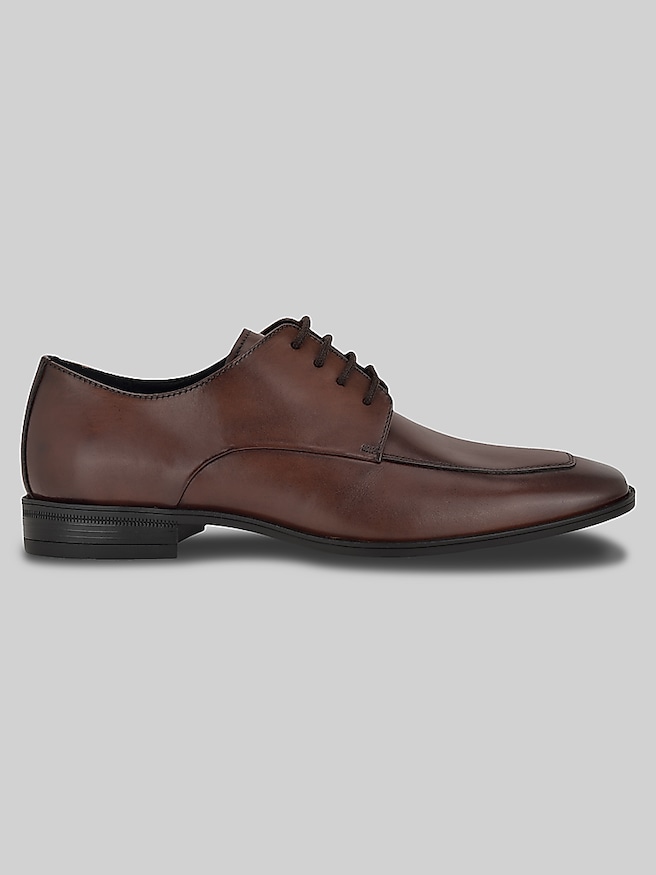
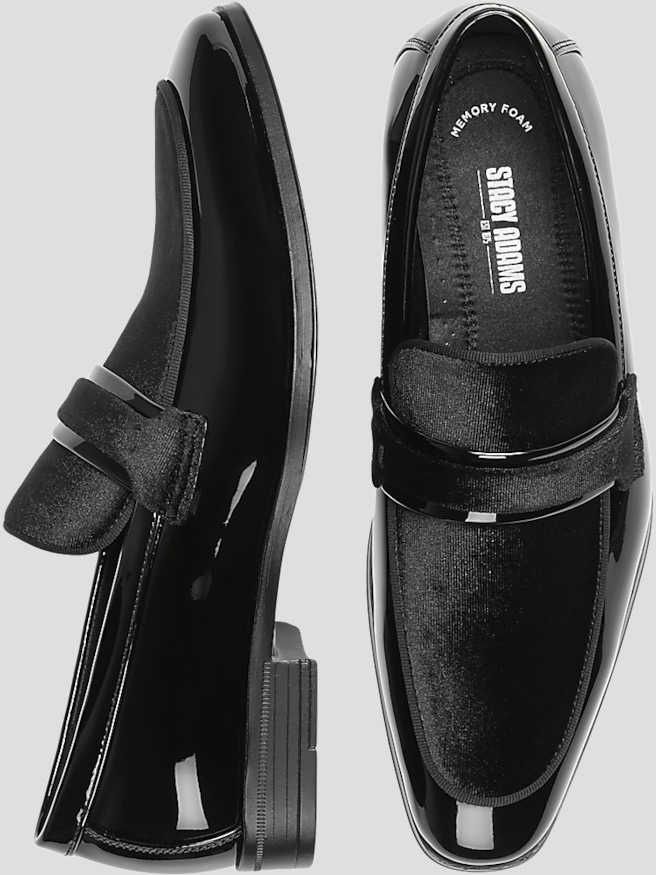
No lace loafers are slip-on shoes that stay in place through the fit of the upper rather than an adjustable lace closure. Their low profile and open ankle give them a clean appearance that works with dress trousers, chinos, and well-fitting jeans. For men who move between office meetings, dinner reservations, and weekend plans, that flexibility makes loafers a useful part of an everyday wardrobe. A smooth leather pair can bring a finished look to navy trousers and a tucked-in shirt, while suede adds a softer texture alongside cotton chinos or dark denim. Penny loafers have a strap across the instep, tassel loafers introduce a decorative detail, and apron-toe designs use visible stitching to outline the front of the shoe. Each detail changes the character without changing the convenience of a slip-on shape. Toe shape matters, too: a gently tapered toe tends to look more tailored, while a rounded toe creates a more relaxed impression. Black leather generally reads as dressier, and brown shades pair naturally with blue, gray, olive, and tan clothing. The finish, sole, and overall silhouette help determine where a loafer belongs; a sleek leather design may suit a business-casual office or a wedding with a relaxed dress code, while a chunky rubber sole feels more at home with casual trousers. Traditional formal dress codes may call for a more structured lace-up shoe instead. Shoppers interested in a closure that allows adjustment across the instep can also explore Mens Lace Up Loafers. With no lace loafers, the appeal is a streamlined shape without laces to tie or tuck away. Trouser length helps show that shape clearly: a hem that meets the top of the shoe without pooling keeps the proportions tidy. Fine-gauge dress socks create a continuous line with tailored pants, while low-cut liners can provide a less visible option when the outfit calls for an exposed ankle. Matching the shoe’s level of polish to the rest of the outfit matters more than treating every loafer as strictly dressy or strictly casual.
Materials and construction influence how no lace loafers feel from the first wear and how they hold their shape over time. Smooth leather can develop creases and a patina with use, while suede has a brushed surface that gives color depth and a less polished appearance. Synthetic uppers vary in flexibility, breathability, and care requirements, so material descriptions are worth checking rather than judging by appearance alone. A no lace design is not necessarily unlined: the absence of laces describes the closure, while an unlined construction describes the inside of the upper. Unlined leather loafers generally feel softer and more flexible because they have less material between the foot and the outer leather. They may also allow more airflow than a comparable fully lined design, although comfort depends on the leather, insole, sole, and individual fit. Some retain reinforcement at the toe or heel to help preserve their shape. Fully lined loafers often have a more structured feel, and a smooth lining can make slipping them on easier. Neither construction guarantees an immediate, break-in-free fit. Because there are no laces to tighten, secure contact around the heel and instep is particularly important. The shoe should hold the foot without squeezing the toes, pressing painfully across the top, or allowing substantial forward sliding. A small amount of heel movement can occur with a stiff new sole, but repeated lifting or rubbing may point to a mismatch in size or shape. Leather can soften and give slightly with wear; that is not a reliable fix for a shoe that starts out too short or uncomfortably narrow. Trying loafers with the socks intended for regular use gives a more realistic sense of fit. Underfoot, leather soles tend to create a slimmer dress profile, while rubber soles can add flexibility and traction, depending on their tread and composition. Cushioning may help during long periods of standing, but it does not replace adequate toe room, a stable heel, or a shape that suits the foot.
Regular care helps preserve both the appearance and the structure of slip-on loafers, especially around the opening where the foot enters the shoe. A shoehorn helps protect the heel counter from being crushed, and taking the shoes off by hand avoids repeatedly stepping on the backs. Smooth leather benefits from a soft brush or cloth to remove surface dirt, followed by an appropriate conditioner when the material needs it. Polish can restore color and shine when suited to the finish; suede needs a suede brush and material-specific cleaning methods instead. Care directions matter because a treatment intended for smooth leather can darken or flatten a suede surface. Testing any new treatment on a discreet area helps reduce the chance of an unwanted change in color. If shoes become damp, letting them dry naturally away from direct heat helps protect the upper and adhesive bonds. Cedar shoe trees can help absorb interior moisture and support the shape between wears, and giving shoes time to air out helps keep the interior fresher. Low-profile socks or liners can also reduce direct contact between the foot and the lining, though they should stay in place rather than bunch beneath the arch. Over time, wear at the heel edge, thinning tread, loosened stitching, or an upper that no longer holds the foot securely deserves attention. Some constructions can be repaired or resoled, but that depends on how the shoe is made and the condition of its components. For daily commuting, office use, or events with extended standing, comfort over several hours matters more than softness during a brief try-on. Men who spend much of the day walking may prefer a secure heel and a flexible, grippy sole; those dressing primarily for seated meetings or dinners may place more emphasis on a refined profile. As a birthday or graduation gift, no lace loafers can be a practical choice when the recipient’s size, width, and usual style are known. The most useful pair is one that fits the foot well and complements clothing already worn regularly.