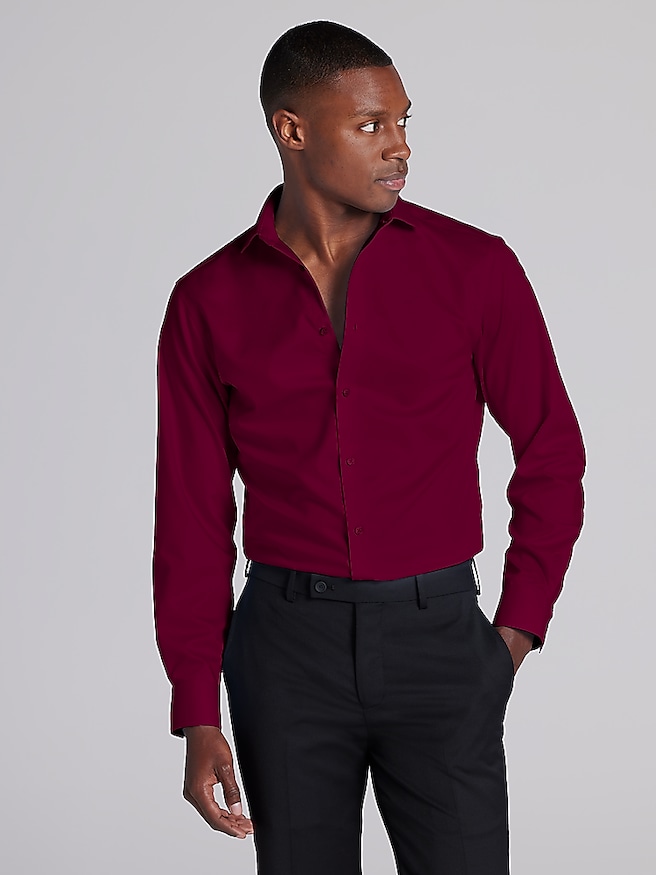
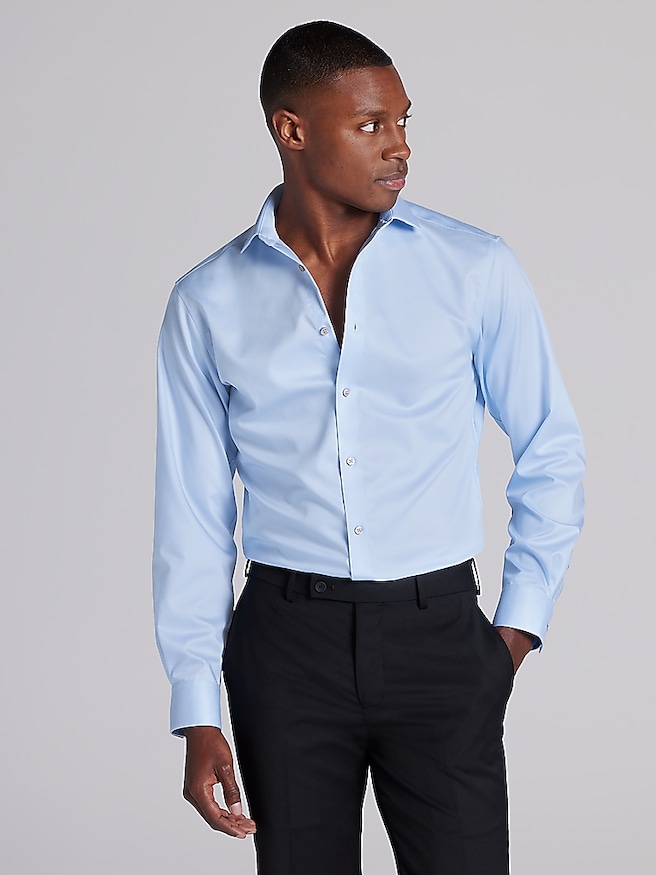
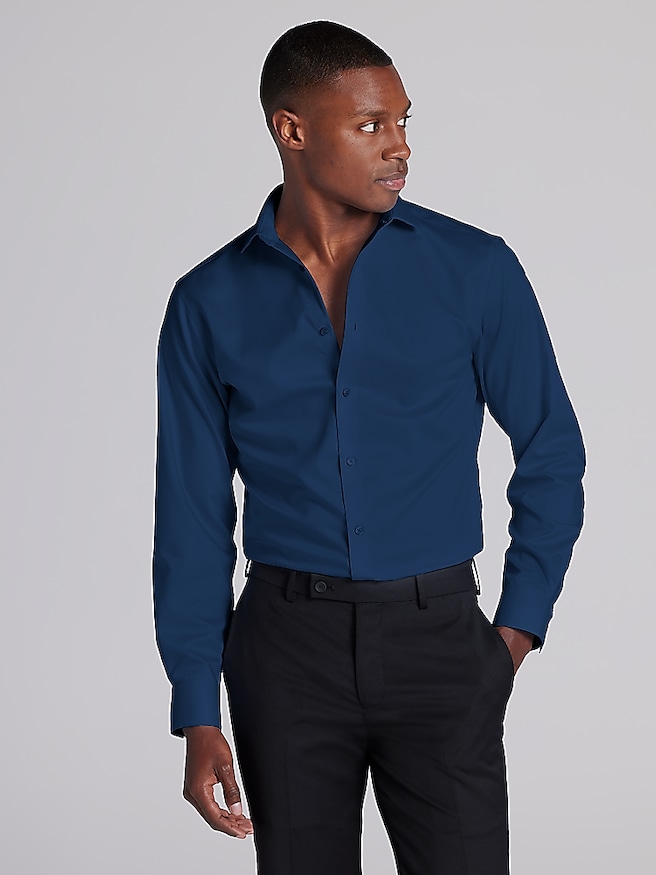
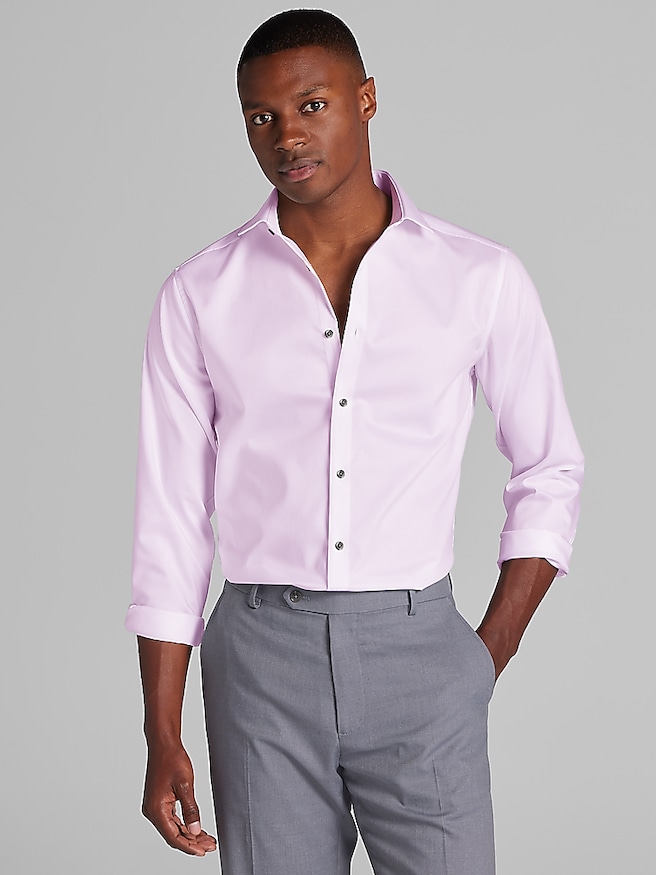
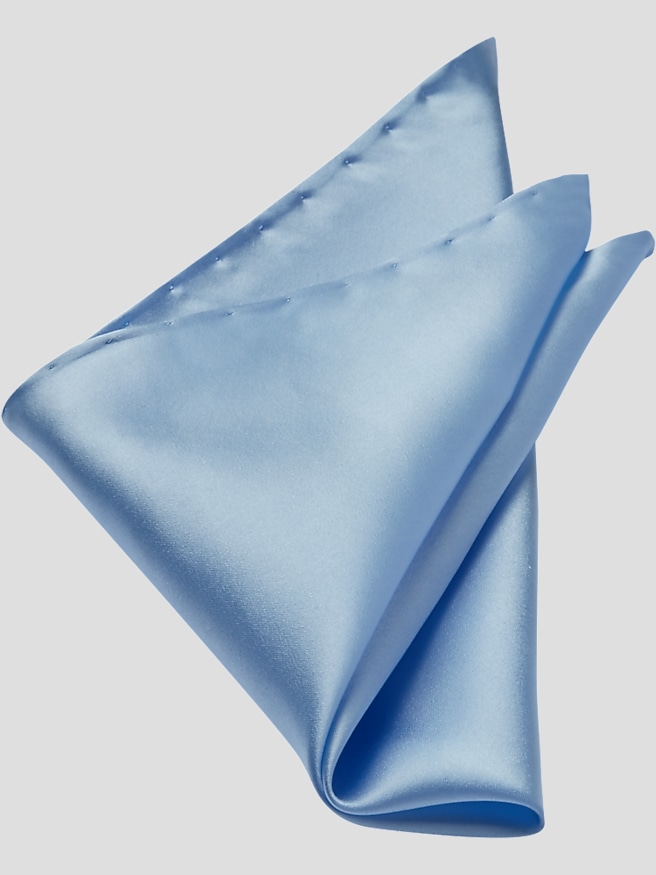
New Year’s Eve shirts span crisp dress shirts, relaxed button-front styles, and expressive party shirts, with the best choice depending on the celebration’s dress code and setting. A white dress shirt brings a clean contrast to a dark suit for a formal dinner, while a black shirt worn with tailored trousers creates a sleek look for a rooftop lounge or an evening of dancing. Burgundy, midnight blue, and deep green offer richer color without needing a bold print; small geometric patterns, jacquard textures, and subtle sheen add interest when the outfit calls for something more festive. For a gathering at home, a soft casual shirt or understated graphic tee can feel appropriate without looking overly dressed. The distinction between a dress shirt and a party shirt often comes down to the collar, fabric, hem, and finishing details rather than color alone. A structured collar and smooth woven fabric look polished beneath a jacket, while an open collar, fluid drape, or textured surface gives an outfit a more relaxed character. Satin describes a weave rather than a particular fiber, so a satin shirt’s feel and care requirements depend on its composition. Silk can provide a soft hand and natural luster, while some synthetic fabrics offer a similar visual effect with a different feel. Metallic thread and reflective details create a stronger statement, especially under evening lighting, but a small amount can be enough. A patterned shirt usually benefits from solid-colored trousers and a quieter jacket; a plain shirt leaves more room for an expressive tie or pocket square. For black-tie celebrations, the event’s expectations matter: a tuxedo generally calls for an appropriate formal shirt rather than an everyday button-down. A pleated or textured bib front, suitable collar, and compatible cuff style help distinguish that formal foundation. New Year’s Eve shirts can be festive without being novelty pieces, making restrained colors and adaptable details useful well beyond the countdown.
Fabric and fit influence how a shirt feels through dinner, photographs, and several hours on the dance floor. Cotton is a familiar choice for its breathability and comfortable feel, though its weight, weave, and finish affect performance. Smooth cotton poplin has a crisp appearance beneath tailoring, while twill often has a slightly fuller hand and a subtle diagonal texture. An Oxford weave tends to look more casual, making it a natural match for chinos or a relaxed jacket at a house party. Cotton blends may improve wrinkle resistance or add stretch, but the fiber label provides a clearer picture than appearance alone. A little elastane can support movement when reaching for a coat or sitting through a long meal; it should complement a sound fit rather than compensate for a shirt that is too tight. Silk and fluid satin constructions can drape elegantly, although delicate surfaces may need extra attention around jewelry, rough upholstery, or other snagging hazards. Heavier textures can feel substantial and distinctive, but comfort indoors still matters when the room fills up. Across fabrics, the shoulder seams should sit close to the natural shoulder line, and the front should lie smoothly without pulling between buttons. A slim fit follows the torso closely, while a more generous cut allows additional room through the chest and waist. Neither needs to look oversized or restrictive when the proportions suit the wearer. With the collar fastened, there should be enough space to turn the head comfortably without a conspicuous gap around the neck. Sleeves should reach the wrist with the arms relaxed, and cuffs should allow comfortable movement without slipping far onto the hand. When a shirt is worn beneath a jacket, a narrow glimpse of cuff creates a finished appearance. Longer shirttails help a tucked shirt stay secure through sitting and standing, while shorter, deliberately shaped hems are better suited to untucked wear. Trying the shirt with the intended trousers and jacket reveals whether the waistband bunches, the sleeves bind, or the collar sits neatly under the lapels.
The finishing details give New Year’s Eve shirts their place in a complete outfit, but they also influence ease of wear and long-term usefulness. A spread collar pairs naturally with many tie knots, while a more compact collar can create a quieter frame around the face. Button-down collars generally read as less formal than collars without visible fastening buttons. French cuffs require cufflinks, and some formal shirt fronts accommodate studs, so those details should match the planned accessories. Coordinating New Year’s Eve formal accessories with the shirt’s level of formality helps an outfit feel intentional rather than crowded. A textured white shirt may need only a dark bow tie and restrained cufflinks; a richly colored shirt can work with an open neckline and a simple pocket square. Under a statement jacket, a matte shirt offers balance and keeps competing surfaces to a minimum. Durability deserves the same attention as appearance, particularly for a shirt intended to return for weddings, anniversary dinners, or other evening occasions. Even stitching, securely attached buttons, and neatly finished seams are useful details to examine. Care should follow the garment label, since fiber content, dyes, trim, and special finishes can require different treatment. Washable cotton shirts may benefit from prompt removal after washing and pressing at the recommended setting, while silk, decorative fabrics, and certain formal constructions may call for professional cleaning. Testing any permitted stain treatment in an inconspicuous area helps reduce the risk of visible damage. Hanging a clean shirt on a supportive hanger helps preserve its shape, and allowing it to dry fully before storage protects it between occasions. For gifting, a versatile solid color and a familiar fit are often more practical than guessing at a dramatic pattern; accurate neck and sleeve measurements are especially useful for dress shirts. Whether intended for a first formal celebration, a dinner with friends, or an annual evening out, the most useful choice combines the right dress code, comfortable proportions, and care requirements that fit everyday habits.