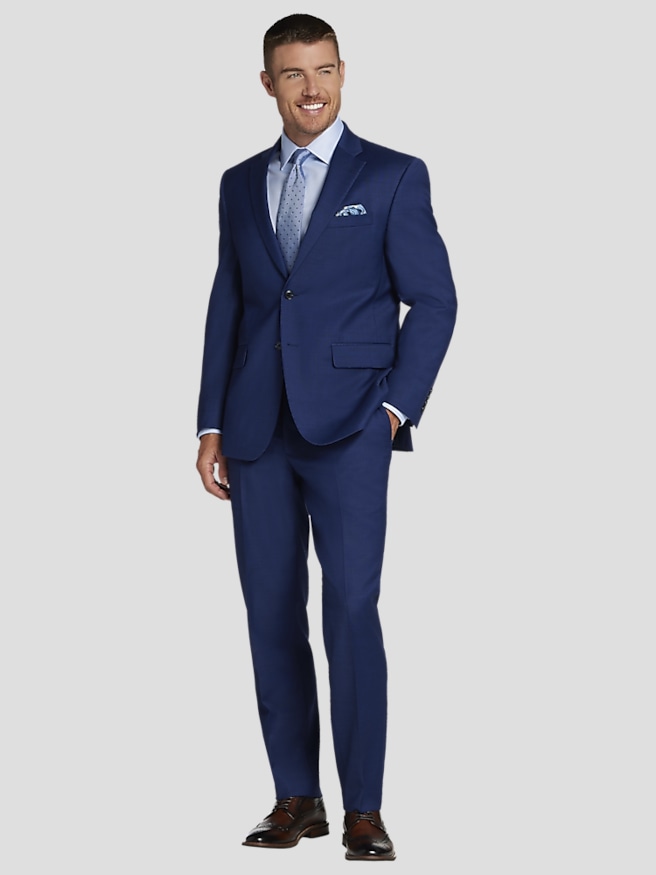
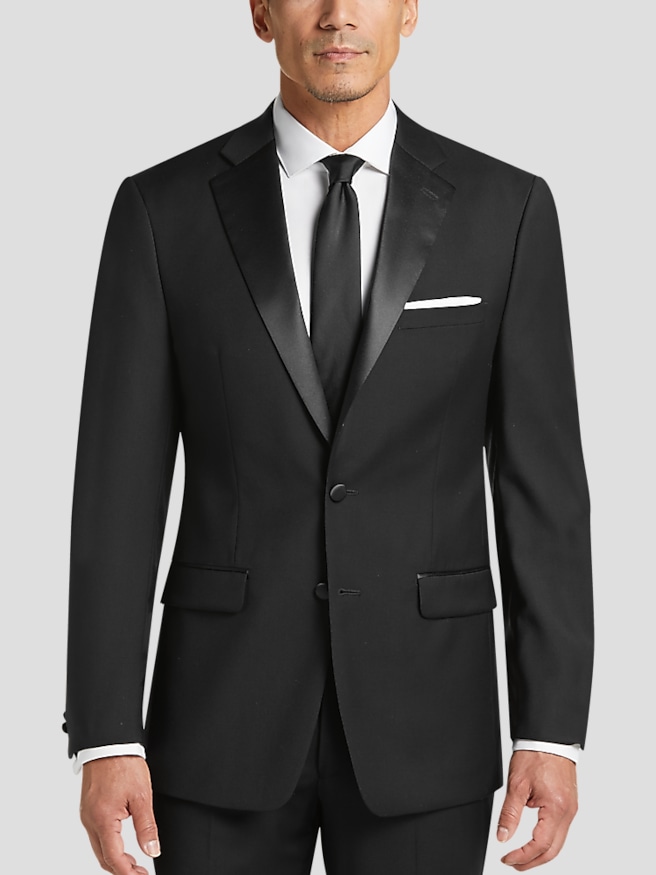
Networking event attire typically falls between smart casual and business casual: polished enough for professional introductions, but comfortable enough for conversation, handshakes, and time spent on your feet. A well-fitting blazer, a button-down shirt, tailored trousers or chinos, and clean leather shoes form a versatile foundation for many professional gatherings. The right level of formality depends on the host, venue, industry, and stated dress code. An alumni mixer at a neighborhood restaurant may feel natural with an open-collar shirt and chinos, while a reception hosted by a law firm may call for a suit and tie. Creative-industry meetups often allow more texture and relaxed combinations, though relaxed does not have to mean careless. Dark, evenly colored denim can work where the invitation supports a casual approach; dress trousers offer a more dependable choice when expectations lean professional. Navy, charcoal, gray, and tan make useful foundations because they combine easily with white, light blue, and understated patterns. A textured jacket or a subtly patterned shirt can add personality without becoming the main subject of an introduction. For a recent graduate meeting prospective employers, a business owner connecting with local partners, or an experienced professional attending an industry conference, the goal is much the same: clothing that feels appropriate without looking like a costume. Familiar silhouettes and a restrained palette help an outfit feel considered rather than complicated. A jacket also gives an outfit flexibility, bringing structure to a simple shirt-and-trouser combination without necessarily requiring a tie. At a crowded reception where name badges, drinks, and brief introductions compete for attention, clean lines tend to make a stronger impression than elaborate styling. Networking clothing works best when it supports the person wearing it, leaving room for an easy handshake and a conversation that lasts beyond the first exchange. That balance of polish and approachability makes these categories useful well beyond a single event, from client lunches and association meetings to office presentations.
Fabric and fit make a noticeable difference when a gathering involves sitting through a panel, standing beside a reception table, and moving between small groups. Wool and wool-blend tailoring can provide a smooth drape and a defined shape, with performance varying according to the weave, weight, and blend. Cotton shirts offer a familiar feel against the skin, while Oxford cloth brings visible texture and poplin creates a smoother, crisper appearance. Cotton twill chinos give less formal outfits a clean finish, and fine-gauge knitwear can sit neatly beneath a jacket without the bulk of a heavier knit. Fabrics containing stretch may offer additional ease through the shoulders, seat, and knees, though stretch cannot compensate for an unsuitable size or cut. A jacket should rest cleanly across the shoulders, with lapels lying flat rather than pulling away from the chest. Buttoning it should not create a pronounced X-shaped crease across the front. A shirt collar should sit comfortably at the neck, and the fabric across the torso should allow movement without billowing around the waistband. Trousers need enough room through the seat and thigh for sitting, with a hem that meets the shoe cleanly rather than gathering in folds. Slim, tailored, and more relaxed cuts can each look professional when their proportions suit the wearer. Reaching forward for a handshake, settling into a chair, or carrying a portfolio reveals fit issues that may not be obvious while standing still. Comfortable clothing should allow those ordinary movements without repeated tugging at sleeves or adjusting a waistband. Details such as smooth pocket openings, securely attached buttons, and even seams also contribute to a finished appearance. For events that run from a presentation into open conversation, a shirt that stays neatly tucked and trousers that retain their shape are especially useful. The strongest combinations look composed in motion, not just in a mirror, and remain comfortable when a scheduled introduction turns into a longer discussion.
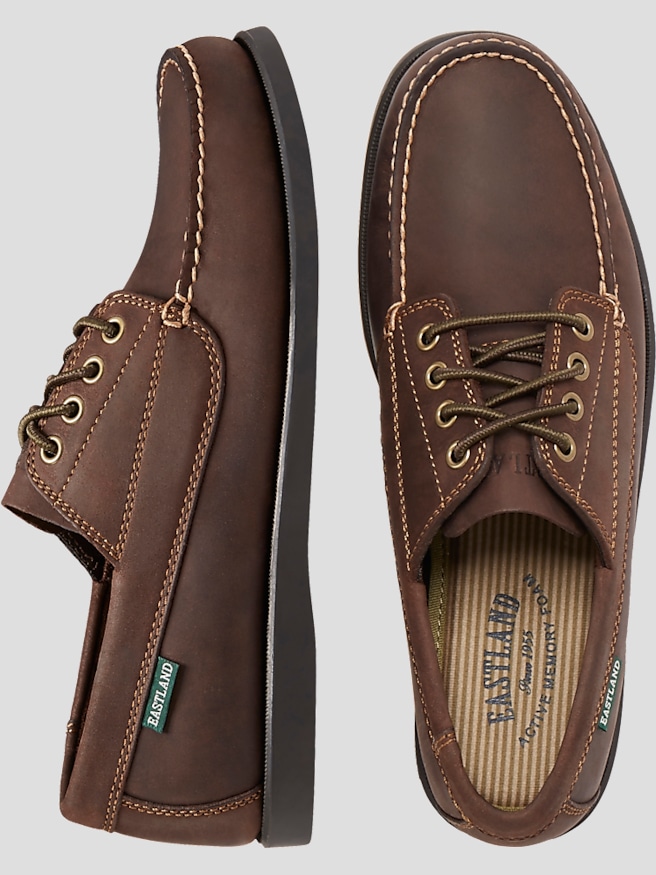
Shoes and accessories complete networking event outfits without needing to draw much attention. Leather loafers and lace-up dress shoes work with many business casual combinations, while simple, well-kept boots can suit settings with a more relaxed dress code. Comfort matters when seating is limited, so a familiar fit, secure heel, and supportive feel are practical considerations alongside appearance. Socks that coordinate with the trousers help maintain a continuous line when seated, and a belt in a similar leather tone to the shoes gives the outfit a cohesive finish. A restrained tie can bring additional formality to a shirt and jacket, while an open collar often feels appropriate for a less structured mixer. Evening receptions with an elevated dress code may share the refined combinations associated with Cocktail Party Attire, particularly when a suit, dress shirt, and polished footwear fit the setting. Small details deserve attention: an unobtrusive watch, a neatly folded pocket square, and a slim bag for meeting materials can add function without making an outfit feel crowded. Leaving jacket pockets lightly filled helps preserve the garment’s shape and keeps a phone or card case from disrupting its lines. Care also affects how professional clothing looks over repeated wear. Following each garment’s care label, treating marks promptly according to the fabric’s requirements, and using suitable hangers help maintain a tidy appearance. Tailored jackets benefit from supportive hangers, while knitwear generally keeps its shape better when folded. Shirts need attention at collars and cuffs, and trouser hems should stay clean and intact. Leather footwear benefits from care suited to its finish, along with time to dry fully between wears. Durable networking attire is less about a single heavy fabric than a combination of sound construction, suitable use, and consistent upkeep. Pieces that coordinate across several outfits can serve an interview, a mentoring lunch, or a professional association dinner with small changes in styling. A dependable wardrobe makes it easier to arrive looking prepared and keep attention on the people in the room.