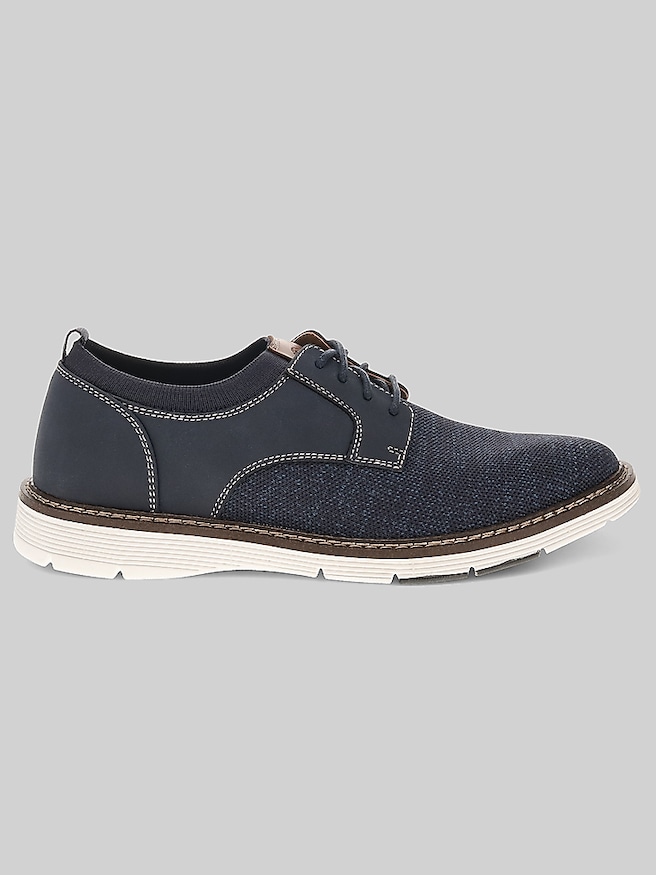
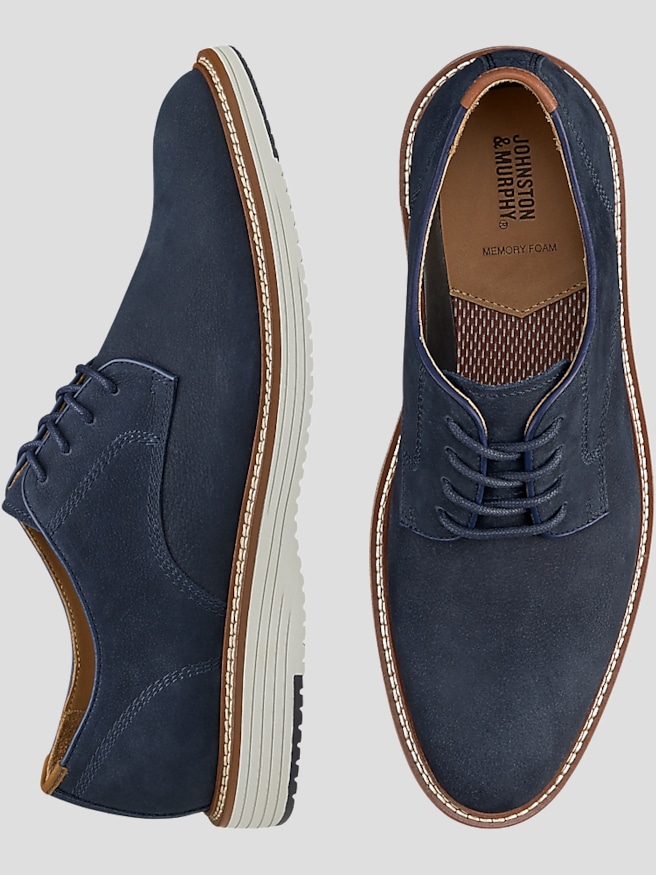
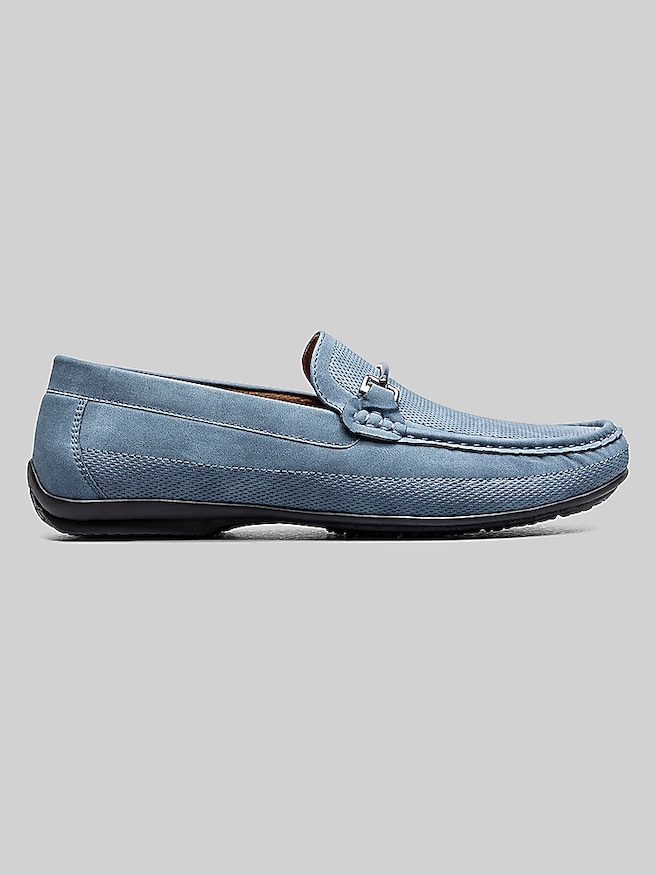
Navy blue formal shoes bring depth and distinction to tailored clothing without relying on a bright color or an elaborate design. Dark navy can appear almost black in subdued light, then reveal its blue undertone against gray trousers, a textured suit, or a crisp white shirt. The category includes lace-up dress shoes, cap-toe designs, and streamlined loafers, with the degree of formality shaped by construction, finish, and detailing. The clean lines of Navy Blue Oxfords suit occasions that call for a polished appearance: their closed-lacing construction creates a close, tidy profile across the top of the foot. A cap toe adds a defined seam across the front, while a plain toe keeps the silhouette uninterrupted. Brogue perforations introduce texture and generally make a shoe feel less formal than an otherwise similar unadorned style. Derby shoes, distinguished by open lacing, offer another tailored option, while refined loafers work well with dress trousers when the setting allows a more relaxed interpretation of formal clothing. These distinctions matter at a wedding reception, an awards dinner, or an important presentation, where footwear should complement the outfit rather than compete with it. Charcoal and medium-gray suits provide a particularly clear backdrop for navy footwear. Blue shoes can also accompany a navy suit, especially when the leather finish or depth of color creates enough separation to keep the combination intentional. A belt in a closely related blue tone helps connect the outfit, and dark socks maintain a continuous line between trousers and shoes. For strict black-tie dress codes, black formal footwear remains the conventional choice. Navy dress shoes are better understood as a distinctive option for tailored occasions where the dress code leaves room for personal expression, rather than a universal replacement for traditional evening footwear.
Materials have a substantial influence on how navy blue dress shoes look, feel, and age. Smooth leather gives the color definition and accepts polishing, making it well suited to clean-lined shoes worn with suits. Full-grain leather retains the natural grain surface and can develop character with regular care, although the leather grade alone does not determine the quality of a finished shoe. Softer suede produces a matte, textured appearance that makes navy feel understated rather than glossy; it usually fits more comfortably into dressy social settings than the most formal events. Highly polished finishes create a sharper visual effect, while subtle burnishing can add depth around the toe and seams. The lining, footbed, sole, and overall construction deserve as much attention as the upper. Leather soles offer a traditional appearance, while rubber soles or discreet rubber inserts can add grip and provide a practical option for walking between an office, a venue, and a parking area. Traction still depends on the tread, surface, and condition of the sole. Stitched constructions may allow resoling, depending on the design and a repair specialist’s assessment, while other constructions emphasize flexibility or a lighter feel. Fit is equally important for an event that includes standing through a ceremony or spending several hours at a reception. The heel should feel secure without persistent slipping, the toes should have room to lie naturally, and the widest part of the foot should align comfortably with the widest part of the shoe. Pressure across the instep, cramped toes, or sharp rubbing are not signs to ignore in the hope that wear will solve everything. Trying dress shoes with the socks intended for the occasion gives a more useful sense of fit, and comparing widths can be more effective than simply increasing length. A sleek silhouette should never require squeezing into a shape that does not suit the foot.
Thoughtful care helps preserve both the navy color and the structure that makes formal footwear look sharp. Dust and surface grit should be removed before conditioning or polishing smooth leather, using a soft brush or cloth suited to the finish. A small amount of compatible conditioner can help maintain suppleness, while navy cream polish can refresh color and wax polish can build shine where appropriate. Any care product is best tested on an inconspicuous area first, since blue leather can darken or change tone with treatment. Contrasting stitching, decorative finishes, and textured panels may need particular attention to avoid unwanted staining. Suede calls for its own brush and cleaning products rather than conventional leather polish; gentle brushing helps lift the nap and remove light surface marks. Shoe trees can help maintain shape between wears, and allowing footwear to air out before storage gives the lining time to dry. Shoes should dry away from direct heat, which can damage leather and adhesives. A shoehorn also helps protect the heel counter from being crushed during repeated wear. These small habits are especially useful for navy dress shoes that serve several roles, from business meetings to milestone celebrations, because an even finish and a well-kept heel make a visible difference against tailored trousers. Periodic attention to worn heels, loose stitching, and thinning soles can address repair needs before they affect comfort or appearance. For someone building a dress wardrobe, navy offers a way to add variety while staying within a restrained color palette. It can also make a thoughtful gift for a graduate beginning a professional role, a partner preparing for a special occasion, or someone who enjoys coordinating tailored outfits. Accurate sizing, preferred width, and the recipient’s usual dress code matter more than novelty. The strongest choice is a pair whose shape, finish, and comfort fit the way it will actually be worn, whether that means a polished lace-up beneath a gray suit or a restrained loafer paired with carefully hemmed dress trousers.