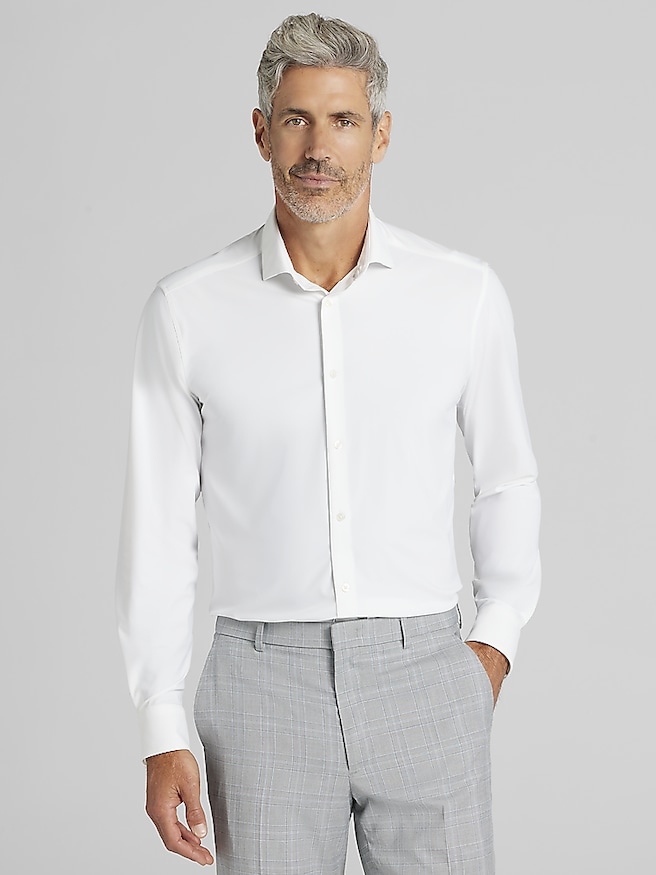
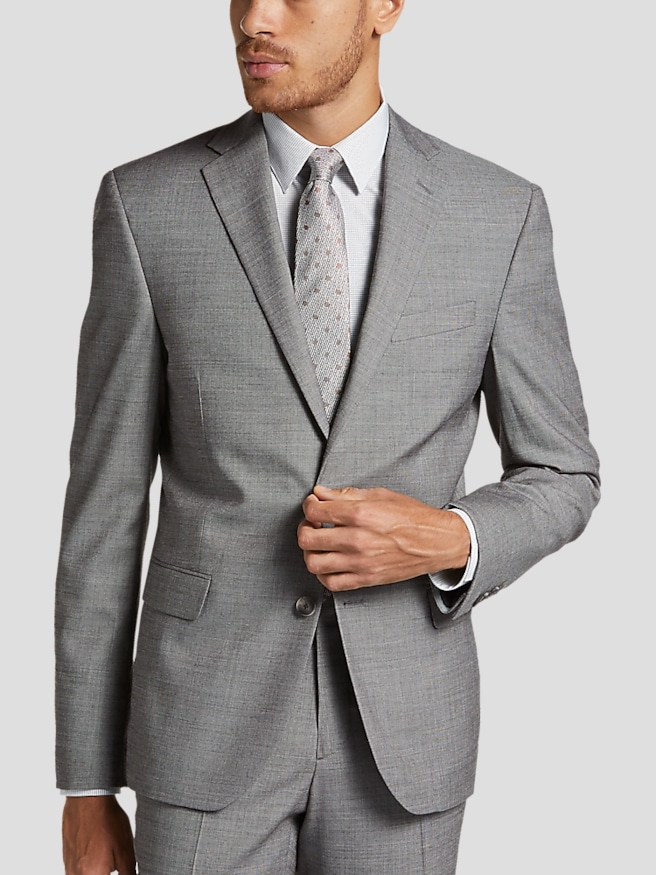
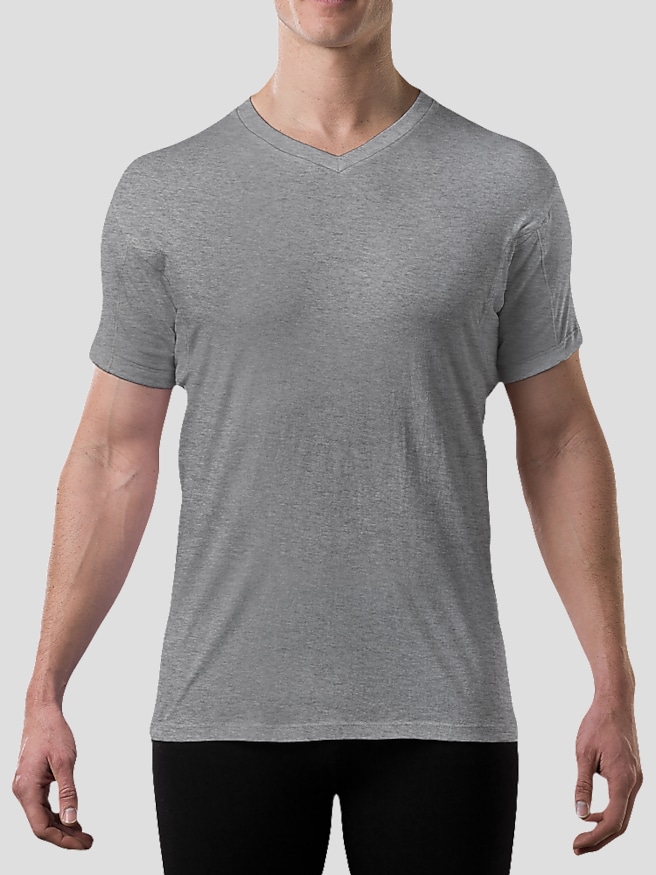
Moisture control base layers for formal outfits provide a discreet way to stay comfortable when a polished appearance needs to last through a full day. Beneath a tailored suit, dress shirt, formal trousers, or other refined layers, the right undershirt or undergarment can help move perspiration away from the skin before it becomes visible on the outer clothing. This can be especially useful when the weather is warm, during crowded celebrations, at indoor events with limited airflow, or whenever a formal schedule includes commuting, standing, dancing, and extended time under bright lights. Look for lightweight fabrics with moisture-wicking performance, such as smooth micro-polyester blends, nylon with stretch, modal blends, or fine merino wool designed for close-to-skin wear. These materials are generally more effective for moisture management than traditional cotton, which can absorb perspiration and remain damp against the body. A good base layer should feel nearly weightless beneath formal clothing, offering a soft barrier without adding bulk or changing the drape of a jacket, shirt, or dress. Stretch is also valuable because it allows the garment to move naturally with the body while maintaining a close, secure fit. Rather than choosing a thick thermal layer intended for outdoor work or winter sports, select a slim silhouette made for layering under dressier clothing. The goal is a smooth foundation that helps regulate comfort without announcing itself.
Fit and construction matter just as much as fabric when a base layer will be worn beneath tailored garments. A second-skin fit can reduce bunching and keep the material from shifting throughout the day, but it should never feel restrictive across the chest, shoulders, waist, or thighs. Flatlock seams, bonded seams, laser-cut edges, and smooth hems help minimize friction and reduce the chance of visible lines beneath fitted shirts, trousers, formal dresses, or sleek eveningwear. Neckline placement deserves careful attention as well. A deep V-neck, scoop neck, low-cut tank, or similarly discreet opening can help keep the layer hidden beneath an unbuttoned dress shirt, a lower neckline, or a dress with a more open collar. For people who tend to perspire around the underarms, chest, or lower back, targeted moisture management in those areas can make a noticeable difference during long formal occasions. Moisture-wicking underwear and anti-chafing layers can provide additional comfort where movement and heat tend to create irritation, particularly beneath slim trousers or structured outfits. Those wearing formal dresses may prefer a lightweight bodysuit or smoothly fitted underlayer that stays tucked and reduces shifting, while a wearer in a suit may favor a thin undershirt with a clean neckline and sleeves that end well above the cuff. Color selection can also affect discretion: neutral shades that closely coordinate with the outer garment or skin tone are often less noticeable beneath lighter dress shirts and delicate fabrics. Before an important event, try the base layer with the complete outfit, including the jacket, belt, hosiery, or accessories, to check for seams, bunching, transparency, and ease of movement.
These layers can be useful for anyone who wants formal clothing to feel less demanding, from a groom preparing for photographs and a wedding reception to a guest attending a ceremony, gala, graduation, performance, or business function. They are also practical for professionals who wear suits or polished separates for meetings, presentations, travel, and hospitality work, especially when a day moves between outdoor heat, air-conditioned rooms, and warm transportation. During cooler months, a lightweight moisture-managing layer can add a small measure of insulation beneath a suit without creating the padded feeling associated with heavy winter thermals. As the weather warms, it can help reduce the discomfort of perspiration beneath structured clothing while preserving a crisp appearance. The same qualities make moisture control base layers a thoughtful gift for someone starting a new job, building a formal wardrobe, preparing for a wedding, traveling for an event, or spending long hours in dress clothes. For a dependable choice, consider the recipient’s usual outfit, preferred neckline, level of activity, and sensitivity to seams or snug fabrics. Someone who frequently wears fitted dress shirts may appreciate a smooth, low-profile undershirt, while someone attending formal events in trousers may benefit from breathable stretch underwear with anti-chafing coverage. Those seeking flexible comfort beneath tailored clothing can also explore Mens Stretch Comfort Base Layers For Formal Outfits. With the right combination of breathable fabric, close but comfortable fit, discreet construction, and coverage suited to the outfit, a base layer can help formal clothing look composed from the outside while feeling more relaxed throughout the occasion.