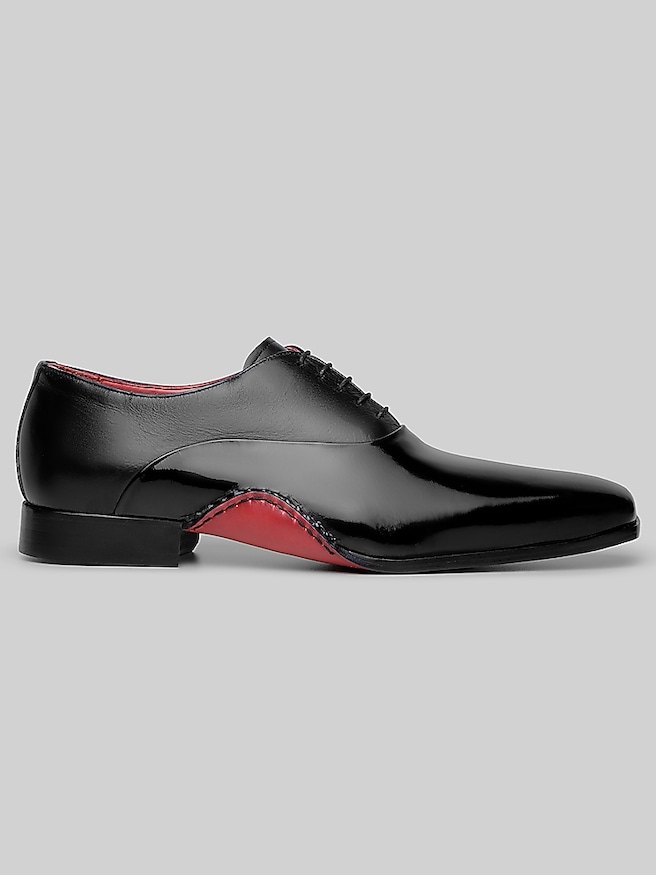
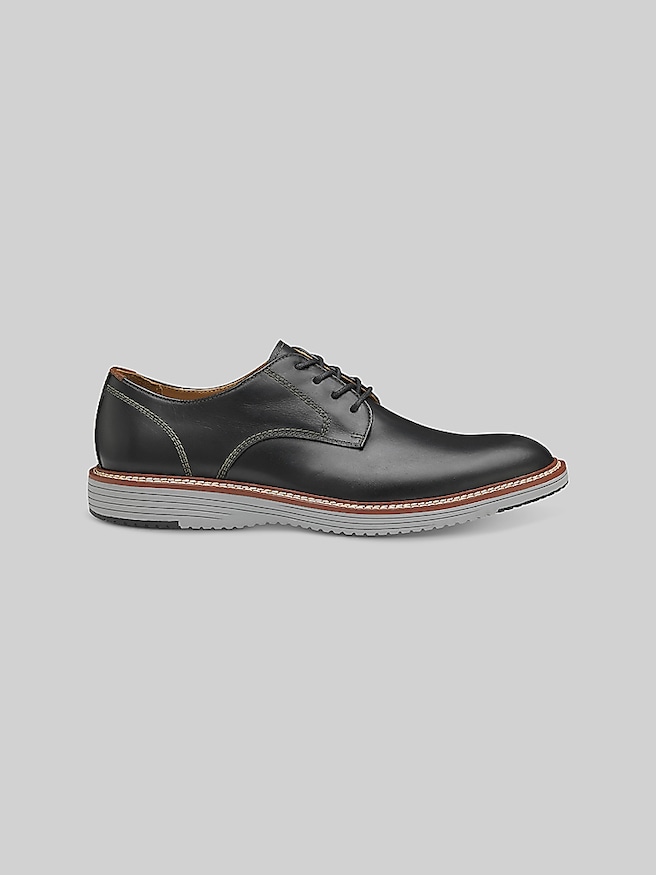
Modern prom dress shoes combine streamlined silhouettes, polished finishes, and a comfortable fit for an evening of photographs, dinner, and dancing. With a suit or tuxedo, the right footwear gives the entire outfit a finished look without competing with a distinctive jacket, colorful tie, or patterned pocket square. Modern styling often comes down to proportion: a clean toe shape, restrained detailing, and a sole that looks balanced beneath the trouser opening. An almond-shaped or softly rounded toe offers a sleek profile without the exaggerated length of a sharply pointed design. Oxfords have closed lacing that creates a neat, formal appearance, while derbies have open lacing with a slightly more relaxed character. Loafers remove the laces altogether, creating an uncluttered shape that can complement tailored prom attire when the event’s dress code allows. Black polished leather is a dependable match for black, charcoal, and many navy outfits. Patent leather adds a reflective finish that works especially well with a tuxedo, while smooth leather offers a quieter shine that can transition to other dress occasions. Brown and burgundy tones can bring depth to a suit, particularly when coordinated with the belt and other leather accessories. The finish matters as much as the color: glossy footwear reads more formal, while matte textures and subtle stitching create a softer impression. Velvet can add richness to an evening look, especially when the rest of the outfit is simple. Decorative hardware, contrast panels, or textured uppers can serve as focal points, but a single distinctive detail usually looks more intentional than several competing accents. In group photographs, the strongest combinations tend to look coordinated from jacket to hem rather than assembled around one attention-grabbing piece. Shoes do not have to match a date’s outfit exactly; a complementary color or shared level of formality can create a cohesive result without looking overly matched.
Comfort in prom footwear depends on shape, construction, and fit rather than softness alone. A shoe may feel cushioned underfoot yet still pinch across the toes or slip at the heel. A secure fit leaves room for the toes to lie naturally, holds the midfoot without squeezing, and keeps heel movement limited during an ordinary walking stride. Feet can vary slightly in size, so both shoes deserve attention during a try-on, ideally with the socks intended for the event. Thin dress socks take up less room than athletic socks, and that change can affect how securely a loafer fits. Lace-up styles offer some adjustment across the instep, while slip-on designs rely more heavily on the shape of the shoe matching the foot. Extra length is not a good substitute for needed width; it can allow the foot to slide forward while leaving the widest part unsupported. Leather uppers may soften with wear, but a painfully tight shoe should not be expected to become comfortable through break-in alone. Smooth leather offers structure and can develop an attractive character with appropriate care. Patent leather provides pronounced shine, though its coated surface requires a gentler cleaning approach than ordinary polished leather. Suede and velvet offer distinctive textures but need protection from spills and careful handling to preserve their appearance. Synthetic and textile uppers vary widely, making the lining, flexibility, and overall construction important considerations. Underfoot, cushioning can soften the feel of standing, while a supportive footbed and stable heel help the shoe feel more settled. Rubber soles or rubber inserts may improve traction on smooth surfaces, although no outsole eliminates the possibility of slipping. A sole that bends naturally at the ball of the foot supports walking more comfortably than one that feels rigid in the wrong place. For a night that includes stairs, crowded tables, and a dance floor, those practical details matter just as much as the view in the mirror.
Durability becomes especially useful when prom shoes will also be worn to graduation, weddings, school ceremonies, or future formal events. Even stitching, firmly attached soles, smooth interior seams, and neatly finished edges are useful signs of careful construction, though appearance alone cannot establish how long footwear will last. A versatile shape in black or brown smooth leather can move easily between occasions, while a highly reflective finish or richly textured upper may feel more specific to evening dress. For someone giving prom shoes as a gift, knowing the recipient’s usual size, preferred width, and planned outfit is more useful than choosing by appearance alone. A familiar fit and a style the recipient genuinely likes make the gift more personal and more likely to see repeated wear. Before the event, short periods of indoor wear can reveal rubbing, sock movement, or heel slippage while there is still time to address fit concerns. Trying the shoes with the complete outfit also shows whether the trouser hem falls cleanly without dragging beneath the heel. Afterward, removing surface dirt before storage helps preserve the finish. Smooth leather generally benefits from a soft cloth, suitable conditioner when needed, and a compatible polish, following the footwear’s care directions. Patent finishes are usually better cleaned with a soft, lightly dampened cloth and care products specifically intended for that surface rather than conventional leather polish. Suede needs an appropriate brush, while velvet calls for gentle care that respects the direction of its pile. Shoes should dry naturally away from direct heat, with shoe trees or suitable inserts helping maintain their shape. For prom outfits with a less formal dress code, Minimalist Dressy Casual Prom Shoes offer another direction centered on clean lines and understated styling. Whether the outfit calls for understated polish or a stronger evening finish, well-proportioned footwear with a secure fit supports the look from the first photograph to the final dance.