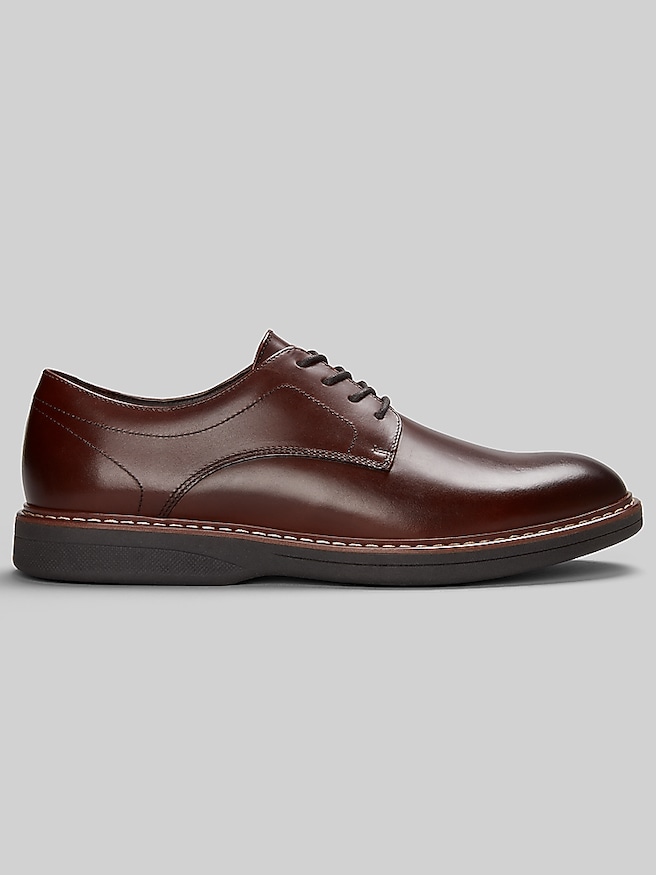
Minimalist sneakers are casual shoes defined by clean lines, restrained detailing, and a low-profile shape that works with both everyday clothing and smart-casual outfits. Their appeal comes from what they leave out: oversized logos, busy color combinations, and bulky decorative panels. A simple lace-up silhouette in white, black, gray, or a warm neutral keeps the focus on the proportions and texture of an outfit rather than competing with it. That makes these sneakers a useful foundation for a wardrobe built around straight-leg jeans, tapered chinos, knit polos, and unstructured jackets. White sneakers bring a crisp contrast to dark denim and navy trousers, while black pairs create a quieter transition beneath charcoal pants. Tan and off-white shades sit comfortably alongside olive, brown, and textured knits. The effect is relaxed but considered, whether the occasion is a casual office day, dinner at a neighborhood restaurant, or an afternoon spent visiting friends. In this context, “minimalist” describes the appearance of the shoe; it does not automatically mean barefoot construction, a zero-drop sole, or minimal cushioning. Those are separate footwear features that depend on the design. A sneaker can look understated while still having a padded collar, a cushioned footbed, and a substantial rubber outsole. Small visual details also influence how polished it feels. Tonal stitching and laces keep the surface uninterrupted, a smooth upper creates a sharper impression, and a contrasting sole adds a more casual edge. With tailored clothing, a neat hem that rests just above the shoe helps preserve the clean silhouette without fabric collecting around the ankle. With jeans, a slight break or a modest cuff can achieve a similarly balanced finish. Minimalist sneakers suit anyone who prefers an uncomplicated wardrobe, including commuters, travelers, and people whose schedules move between relaxed work settings and social plans. Their versatility comes from complementing familiar clothes, not from making every outfit look dressed up.
Materials give minimalist sneakers much of their character because there is little ornamentation to distract from the upper itself. Smooth leather has a tidy appearance and can soften with wear, although flexibility and breathability vary with the leather, finish, and lining. Suede introduces a softer, more matte texture that pairs naturally with corduroy, brushed cotton, and knitwear during the cooler months. Canvas tends to read as more casual, while knit and other textile uppers may offer a flexible feel suited to easygoing daily wear. Synthetic materials vary widely in texture, ventilation, and maintenance requirements, so the material description matters more than appearance alone. Inside the shoe, lining seams, heel padding, and the shape of the footbed can make a noticeable difference over several hours. A comfortable fit leaves room for the toes to move without allowing the foot to slide forward, and the heel should feel secure without rubbing. The widest part of the foot should sit comfortably within the widest part of the shoe rather than pressing against the sides. Trying sneakers with the socks intended for regular wear gives a more useful sense of fit, especially when moving from thin dress socks to thicker casual socks in cooler weather. Leather may relax slightly, but a shoe that pinches or crowds the toes should not be expected to become the right size through wear. Sole construction deserves equal attention. A flexible forefoot can make walking feel more natural, while adequate cushioning can help keep a firmer-looking shoe comfortable underfoot. Outsole tread and rubber composition affect traction, and a sleek profile alone says little about grip on wet pavement. For a commute involving sidewalks, stairs, and extended standing, comfort and secure footing matter as much as a streamlined appearance. Minimalist lifestyle sneakers are generally intended for everyday wear rather than specialized running, court sports, or demanding outdoor activity. A clean design can cover many ordinary occasions, but it is not a substitute for footwear built for a particular physical task or challenging weather.
The same simplicity that makes minimalist sneakers easy to style also makes upkeep visible: a dusty toe, stained lace, or scuffed sole edge can stand out against an otherwise plain surface. Regular light cleaning is usually more manageable than waiting for dirt to build up. A soft brush or cloth can remove loose debris before further cleaning, with any cleaner chosen for the upper material and tested on a discreet area first. Smooth leather generally benefits from gentle wiping and, when recommended for the finish, occasional conditioning. Suede calls for a suede brush and material-appropriate treatment rather than the same wet-cleaning routine used on other surfaces. Textile and synthetic uppers should be cleaned according to their care instructions; machine washing is not suitable for every sneaker, even when the outside appears washable. After damp wear, allowing shoes to dry naturally away from direct heat helps protect their shape and components. Loosening the laces and using plain paper inside can help absorb moisture, while alternating pairs gives interiors time to dry between outings. Durability depends on the full construction, including upper quality, stitching, sole attachment, and how the shoes are used and maintained. Persistent uneven outsole wear, damaged seams, or cushioning that no longer feels supportive can indicate that a pair is nearing the end of its useful life. For travel, an understated sneaker can simplify packing by working with jeans during the day and chinos for a relaxed evening, provided the setting welcomes casual footwear. For celebrations or workplaces that call for a more formal finish, Minimalist Dress Shoes offer a related direction without relying on a sneaker silhouette. As a gift, minimalist sneakers can be a thoughtful choice for someone who favors neutral colors and practical everyday clothing, though knowing the recipient’s size, preferred width, and usual style is important. The most useful pair is not simply the plainest one. It is the one whose shape, material, fit, and level of polish work naturally with the clothes and routines already in place.