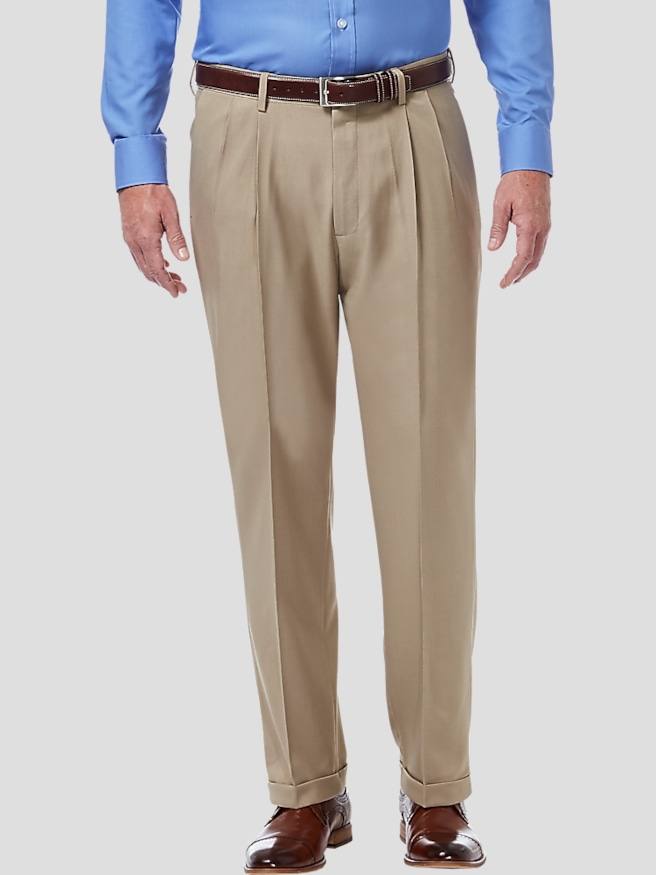
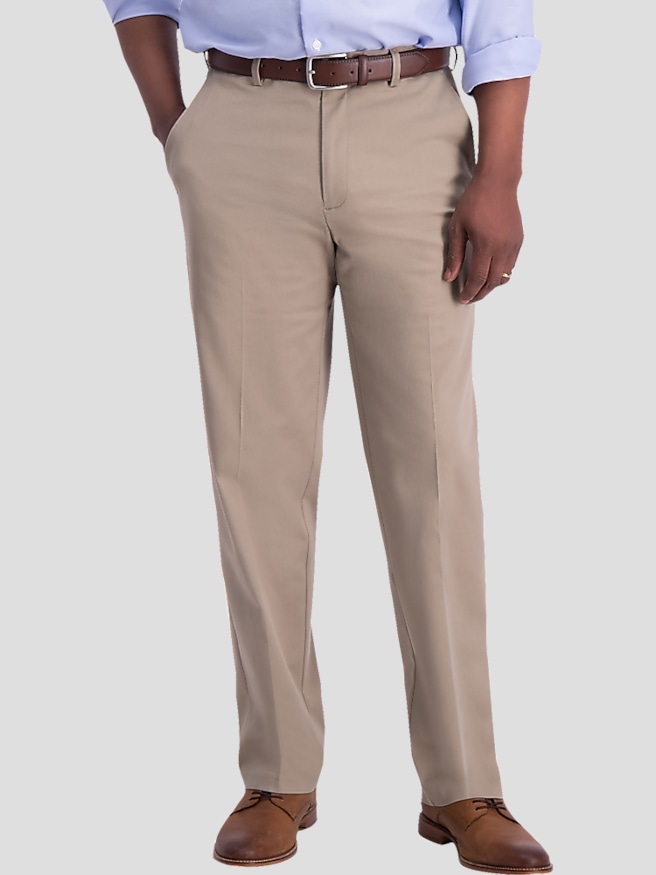
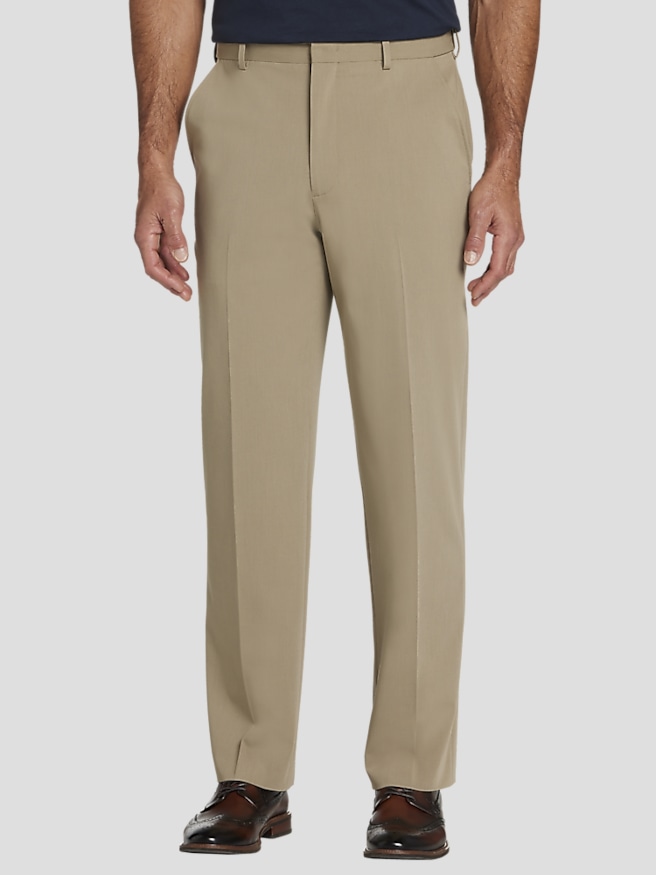
Mid-length pants for men bring a shorter hem to familiar trouser shapes, creating a look that feels relaxed without losing its structure. The term describes leg length rather than waistband placement: mid-length pants are shorter than full-length trousers, while mid-rise pants describe a waistband that typically sits below the natural waist. A pair can have both a mid-length leg and a mid-rise waist, but the measurements serve separate purposes. Because mid-length is not a standardized inseam, the finished hem may sit along the calf or closer to the ankle, depending on the cut and the wearer’s height. That proportion gives these pants their character. A clean, tapered leg with a hem above the ankle puts the focus on loafers or low-profile sneakers; a straighter leg with a slightly shorter finish has a more casual, easygoing feel. Unlike full-length trousers, which may form a small fold where the fabric meets the shoe, a cropped silhouette generally leaves the hem clear of the footwear. The result can work well for a casual office, a lunch out, a gallery visit, or an evening with friends, provided the fabric and styling suit the setting. A tucked-in knit polo brings definition to the waist, while an untucked shirt with a neat, modest hem keeps the overall shape balanced. For someone who prefers less exposed ankle or wants a trouser hem that reaches the shoe, Men's Long Pants offer another way to build an everyday wardrobe. Neither length determines how polished an outfit can be on its own. Fabric, fit, footwear, and the condition of the pants all contribute to the finished impression. Mid-length styles are especially useful for someone who likes a visible shoe line and wants an alternative to a conventional trouser length without making the entire outfit feel dressed down.
Fabric gives mid-length pants much of their personality, from the crisp surface of cotton twill to the softer drape of a woven blend. Cotton-rich fabrics can provide a familiar, substantial feel that works naturally with an Oxford shirt, a simple T-shirt, or an unstructured jacket. Twill’s diagonal weave adds texture and can stand up well to repeated everyday wear, although fabric weight and construction matter as much as fiber content. Denim gives a shorter-length silhouette a more casual foundation, with a firmer hand that can help the leg retain its shape. Smoother trouser fabrics create a cleaner line and may be better suited to settings where sneakers and a T-shirt would feel too informal. A small amount of stretch can add ease when sitting at a desk, stepping into a car, or walking across town, but stretch should complement an appropriate fit rather than compensate for a waistband or seat that is too tight. Fabrics with good recovery are less likely to remain stretched at the knees after hours of wear. The way cloth hangs also affects the hem: a stiff fabric may stand away from the calf, while a softer weave tends to fall closer to the leg. Both can look intentional when the leg opening supports the overall shape. Neutral colors such as navy, gray, khaki, and black keep outfit combinations straightforward, while a subtle texture can add interest without requiring a patterned shirt. Pocket construction deserves attention, too. Side pockets that lie flat preserve a smooth outline, and secure back pockets can be useful for carrying small essentials. Overfilled pockets, however, can pull on the seat and interrupt the line of a cropped leg. For someone who spends much of the day seated, a comfortable waistband and enough room through the thighs may matter more than a sharply narrow silhouette.
Fit is particularly noticeable in mid-length pants because the hem creates a clear stopping point on the leg. The same inseam can look nearly full length on one person and distinctly cropped on another, so actual measurements are more useful than the length label alone. Waist size, rise, thigh room, and leg opening all help determine whether the pants feel balanced. A mid-rise waistband often provides a familiar position below the natural waist, but its exact placement varies with body proportions and garment construction. A comfortable fit stays in place without pinching when seated, while the front and seat remain reasonably smooth rather than pulling into tight lines. An athletic build may benefit from more space through the seat and thighs with a gradual taper below the knee. A straight cut can provide an uninterrupted line for someone who prefers room through the entire leg. Hem placement should also leave enough ease around the calf to prevent catching when standing after sitting. Shoes and socks complete that proportion: low-profile sneakers keep the outline simple, loafers add polish, and intentionally chosen socks can make the exposed section between shoe and hem look considered. For gifting, a known waist measurement, preferred fit, and a familiar inseam are more dependable than estimating from height alone. Care helps preserve those choices over time. The garment’s care label should determine washing, drying, ironing, or professional cleaning, since cotton, denim, stretch blends, and tailored fabrics do not all respond alike. When machine washing is permitted, avoiding excessive heat can help limit shrinkage and protect stretch fibers; even a small change in length can noticeably alter a cropped silhouette. Prompt attention to stains, secure seams, and sound hems helps pants stay presentable through repeated use. Hanging structured styles neatly or folding casual pairs along their existing lines can reduce unnecessary creasing. With suitable care and proportions that feel comfortable throughout the day, mid-length pants can become a dependable part of a wardrobe built around clean lines, practical movement, and personal style.