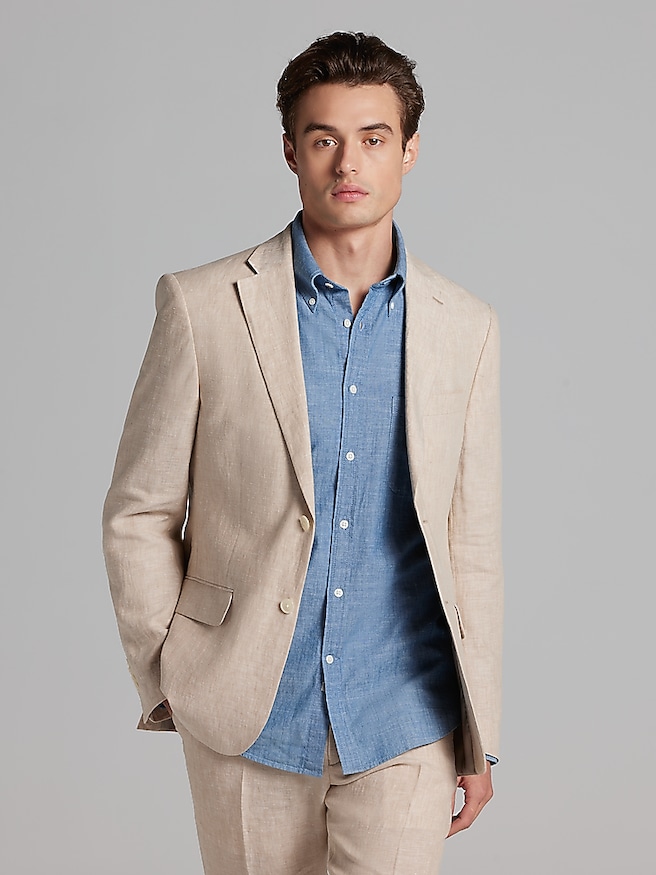
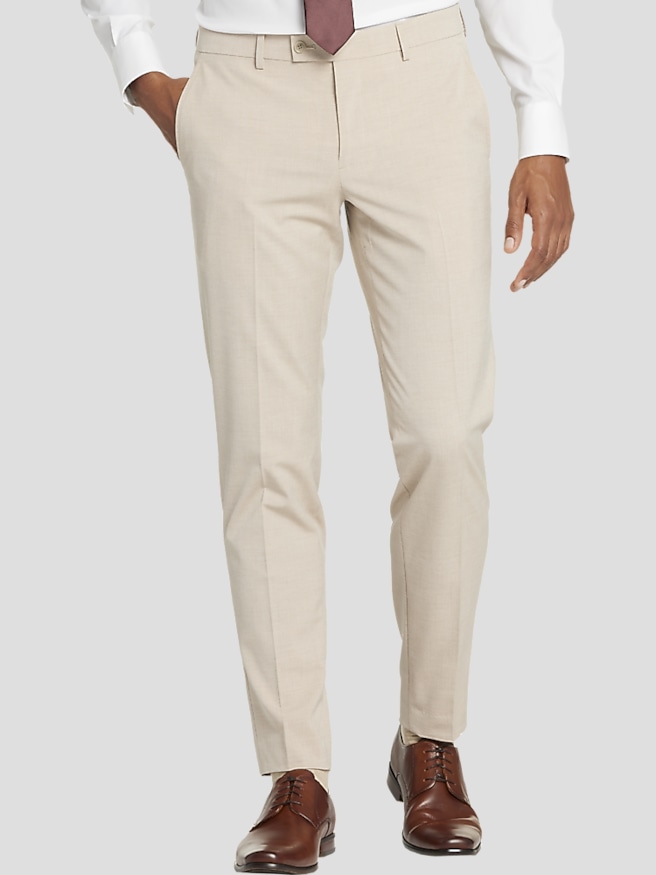
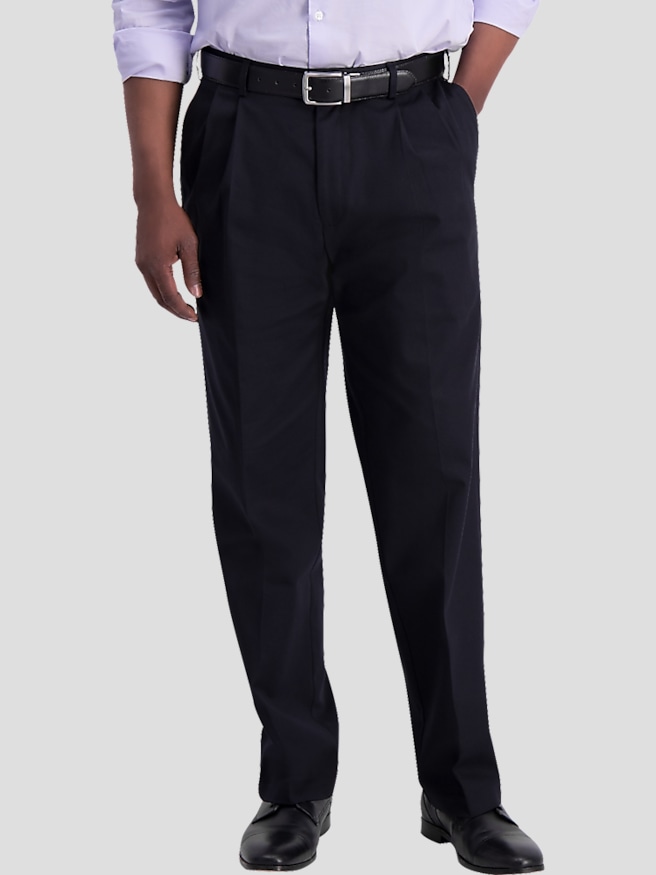
Men’s wedding weekend attire brings together the polished pieces that carry a celebration from the first welcome toast to the last farewell. A single weekend may include a rehearsal dinner, a ceremony, a reception, and a brunch with family and friends, each with its own level of formality. Suits, tuxedos, sport coats, dress shirts, trousers, and thoughtfully chosen accessories give grooms, wedding party members, fathers, and guests room to dress appropriately without making every appearance feel identical. A tuxedo belongs naturally at a black-tie celebration, while a tailored suit can suit a ceremony, an upscale dinner, or several events with a change of shirt and tie. For a more relaxed gathering, a textured jacket with separate trousers offers definition without the full effect of matching suiting. The invitation and venue help establish the tone: a formal ballroom reception calls for a more structured look than a casual restaurant welcome party. Color also creates continuity across the weekend. Navy, charcoal, gray, and other versatile neutrals provide a foundation that can be refreshed with a patterned shirt, a distinctive tie, or a pocket square. Repeating a jacket or pair of trousers feels intentional when the surrounding pieces change, especially when each combination has a clear purpose. A rehearsal dinner might call for a shirt with subtle texture and an open collar, while the ceremony may warrant a smooth dress shirt and a neatly tied necktie. For celebrations with an earlier start, the Men's Elegant Daytime Wedding Attire collection offers a related perspective on refined dressing. Across these occasions, the most useful pieces balance the expectations of the event with the personality of the person wearing them, whether that means restrained tailoring, a richer fabric texture, or a small accent that connects to the wedding palette. The result is a cohesive wardrobe that still gives each gathering its own identity.
Fabric and fit influence how wedding attire looks in photographs and how it feels through a full schedule of standing, sitting, greeting relatives, and spending time on the dance floor. Wool suiting is valued for its drape, resilience, and ability to hold a tailored shape, while blends can introduce stretch or alter the fabric’s texture and handling. Cotton shirts offer a familiar, crisp foundation beneath a jacket; a fine weave creates a smoother appearance, while a more pronounced weave adds subtle depth. Linen and linen blends have a distinctive texture and a naturally relaxed character, including creasing that becomes part of the look. Smooth fabrics tend to read as more formal, while visible texture can make separates feel less ceremonial. Construction matters alongside fiber content. A lining can help a jacket move over a shirt, and thoughtfully finished seams and secure buttons support repeated wear. Fit is especially noticeable at the shoulders and collar, where a jacket should sit cleanly rather than pull or stand away from the body. The front should close without pronounced strain, and the sleeves should allow comfortable movement for a handshake or an embrace. Trousers need enough room through the seat and thigh for sitting through dinner, with a hem that works with the shoes rather than gathering heavily over them. A close fit and an easy fit can both look polished when the proportions are balanced; excess tightness is not a substitute for tailoring. Shirts deserve the same attention, particularly at the neck, chest, and cuffs. A collar that feels comfortable when buttoned and sleeves that stay neatly positioned beneath a jacket make a noticeable difference over several hours. For anyone wearing formal clothing at multiple events, freedom of movement is part of looking composed. A clean silhouette is easier to maintain when the wearer can sit, walk, and raise an arm without constantly adjusting the outfit.
Accessories help distinguish one wedding weekend look from another without overwhelming the clothing. A silk tie brings a smooth finish to a suit, while a textured tie can complement a less formal jacket and trouser combination. Pocket squares work best as a connection to the outfit rather than an exact duplicate of the tie, allowing a shared color or small pattern to provide the link. Belts, shoes, and other leather details create a more settled appearance when their colors and level of formality feel compatible. Polished lace-up dress shoes have a natural place with tailored clothing, while loafers can suit more relaxed events when the dress code allows. Comfort matters here as much as appearance: a secure heel, adequate toe room, and shoes that have been worn before the celebration can make the walk between ceremony and reception much easier. Dress socks should work with the trouser color and remain comfortably in place when seated. For wedding party members, consistent accessories can establish a shared look without requiring every detail of the clothing to be identical. Ties, pocket squares, and cuff links can also make thoughtful gifts when chosen around the recipient’s usual style and the clothing planned for the event. Care between appearances helps preserve the finish of the whole wardrobe. Garment labels remain the starting point for cleaning and pressing, since fibers, linings, and trims may need different treatment. Hanging jackets on supportive hangers, allowing garments time to air after wear, and treating marks promptly according to care directions can help keep clothing looking fresh. For travel, a garment bag can limit friction against tailored pieces, while shoes packed separately help protect shirts and accessories from scuffs. After the celebration, versatile tailoring and well-made finishing pieces can return to service for dinners, work occasions, and future invitations, carrying their usefulness well beyond a single weekend.