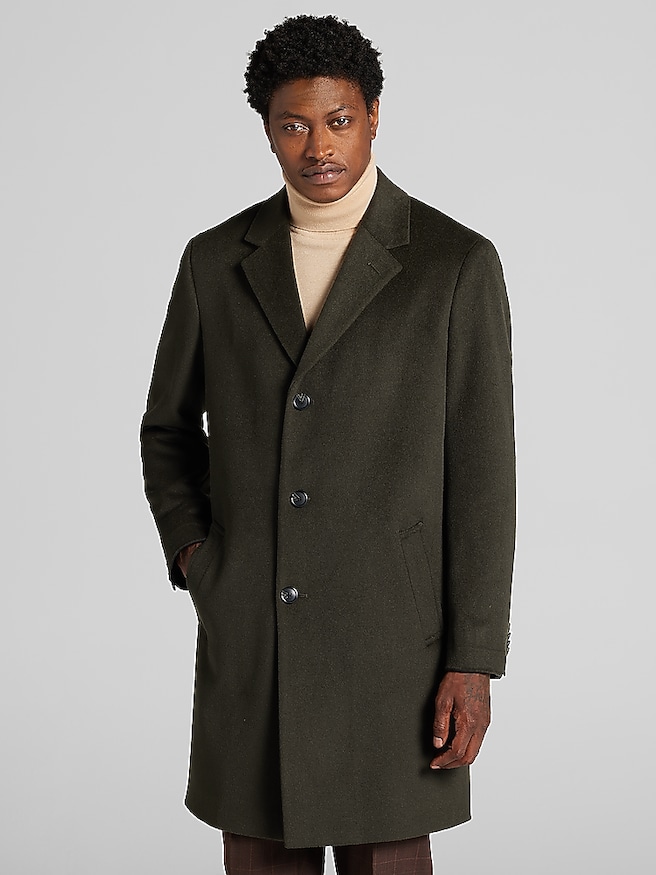
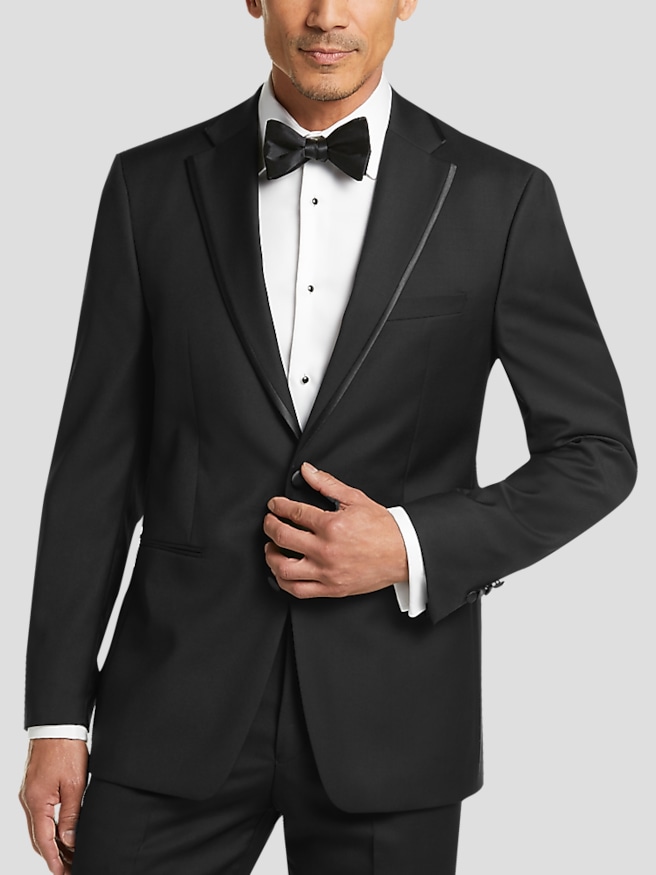
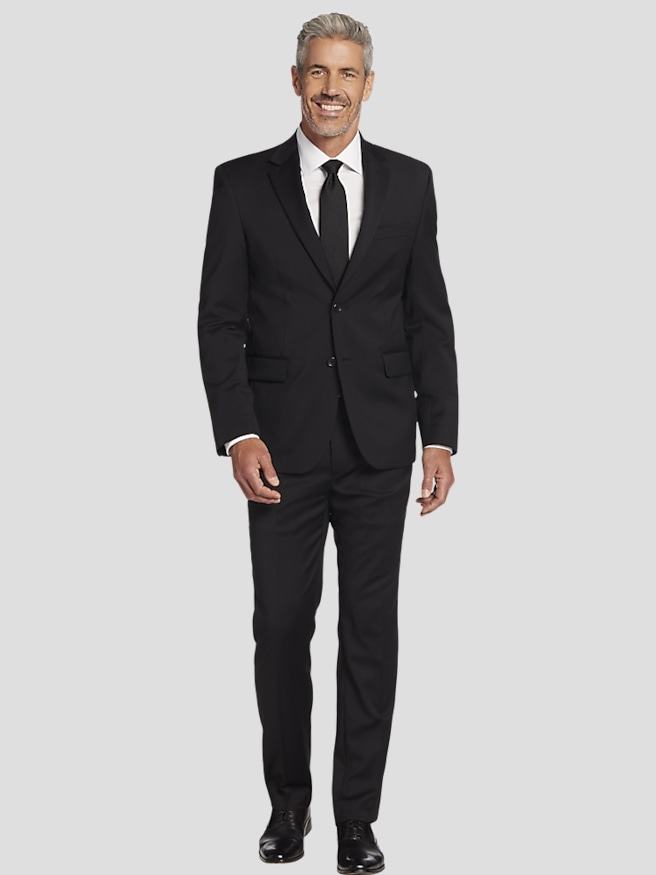
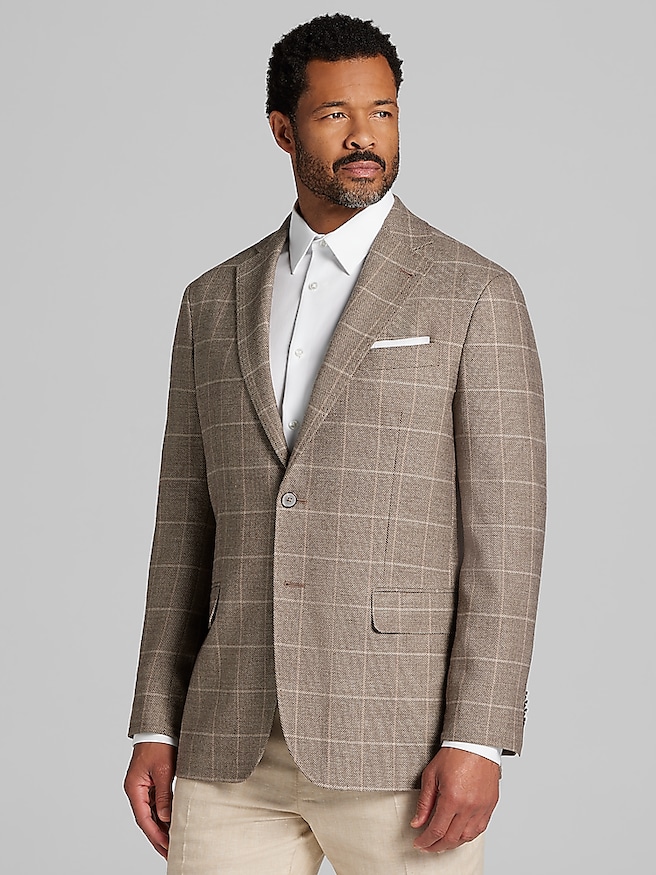
A men’s coat for a wedding gives the outfit its structure, setting the tone through the cut of the shoulders, the shape of the lapels, and the way the fabric falls. In wedding attire, “coat” can mean a suit jacket, a sport coat, a formal dinner jacket, or an outer layer worn over the finished outfit. Each serves a distinct purpose, and the invitation’s dress code helps establish which belongs at the celebration. A suit jacket with matching trousers creates a coordinated foundation for a groom, groomsman, or guest. A tuxedo jacket brings more formal details, often including satin or grosgrain lapel facings, and belongs with appropriate formal trousers and accessories for a black-tie event. A sport coat paired with tailored trousers offers a less formal alternative when the invitation allows separates. For cocktail attire, a dark suit is a dependable starting point; for black-tie optional celebrations, a tuxedo or a suitably formal dark suit generally fits the occasion. Color and texture further define the impression. Navy and charcoal provide understated backdrops for a crisp shirt and tie, while black is closely associated with traditional evening formalwear. Subtle checks and textured weaves add interest without the visual weight of a bold pattern. A groom may prefer a distinctive lapel, a waistcoat, or a richer fabric to stand apart in portraits, while attendants often benefit from a consistent color and level of formality. Guests can keep their appearance polished without echoing every detail of the wedding party’s clothing. The setting matters, too: a grand ballroom supports a more formal silhouette, while a relaxed restaurant reception may suit softer tailoring if the dress code permits it. A coat that works for the occasion should look intentional from the ceremony aisle to the dinner table, with enough ease for handshakes, embraces, and an evening spent celebrating. Its character comes from the combination of details, rather than any single decorative feature.
Fabric and construction influence how a wedding coat looks in photographs and how it feels after several hours of wear. Wool is a familiar choice for tailored jackets because it drapes smoothly, has natural resilience, and can recover from light wrinkling when given time to rest. Fine worsted wool creates a clean surface that works well with formal shirting, while more visibly textured weaves lend depth to understated colors. Wool blends vary considerably: added fibers can affect softness, stretch, wrinkle resistance, and the way a jacket holds its shape. Linen has a more relaxed character and develops visible creasing, making it better suited to celebrations where that texture feels appropriate. Cotton often has a less fluid drape than fine wool, while velvet brings a plush surface and pronounced richness to dressier evening outfits. The fiber label tells only part of the story. Fabric weight, weave, lining, and internal structure all contribute to comfort and silhouette. A fully lined jacket provides a smooth interior over a shirt, and a partially lined design can feel less enclosed. More structured shoulders create a defined outline; softer shoulders follow the body more closely and tend to read as less formal. Notch lapels are common on versatile suit jackets, peak lapels add a sharper emphasis, and shawl collars create the curved line associated with many dinner jackets. Single-breasted styles offer a familiar, adaptable shape, while double-breasted coats have an overlapping front and a stronger visual presence. Construction details deserve attention beyond the first fitting. Neat seams, secure buttons, and a lining that lies smoothly help a jacket withstand repeated use. No fabric is immune to friction or snagging, and delicate surfaces need thoughtful handling. For a coat intended for future ceremonies, anniversary dinners, or other dressed-up occasions, a restrained pattern and balanced proportions can make it easier to combine with shirts and accessories already in the closet. That versatility is especially useful when the wedding is only the first event on the calendar.
Fit is what allows those fabric and design choices to look natural on the person wearing them. The shoulders should sit cleanly without extending noticeably beyond the body or pinching across the upper back. With the jacket fastened, the lapels should lie flat and the front should close without pronounced pulling around the button. A collar that rests against the shirt collar creates a cleaner line than one that gaps at the back of the neck. Sleeves generally look balanced with a small amount of shirt cuff visible, and a traditionally proportioned suit jacket should cover the seat. Preferences for a closer or roomier silhouette can vary, but neither should interfere with sitting through the ceremony or reaching comfortably across a table. Trying a coat with the intended shirt, trousers, and any waistcoat gives a more useful picture than judging it over casual clothing. Sleeve length and modest waist adjustments are common tailoring changes; shoulder fit is more difficult to alter and deserves particular attention from the start. Accessories should support the coat rather than compete with it. A textured tie can add dimension to a smooth suit, and a pocket square can pick up a secondary color without matching the tie exactly. An outer layer needs additional room to fit over tailored shoulders without compressing them; the Coat For Winter Wedding page addresses that separate part of the outfit. After the celebration, proper care helps preserve the coat’s shape for its next appearance. The care label should determine cleaning and pressing methods, especially for blends, velvet, and decorative lapel facings. Emptying the pockets, hanging the jacket on a broad, supportive hanger, and allowing it to air before storage are simple habits that protect its silhouette. A breathable garment bag helps shield the surface from dust, while prompt professional attention to stains can reduce the risk of lasting marks. With considered fit and routine care, a wedding coat can remain a useful part of a formal wardrobe long after the final photograph.