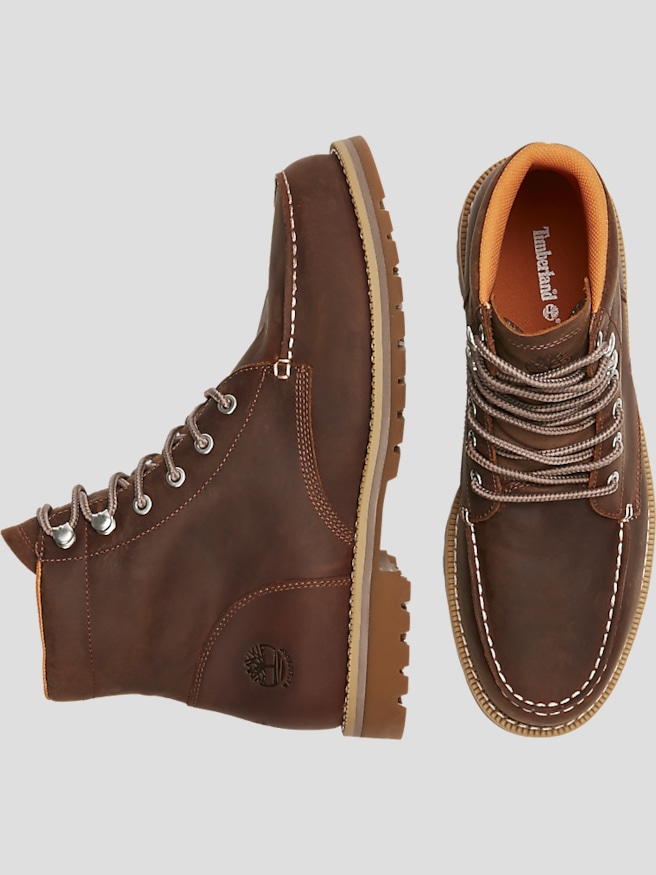
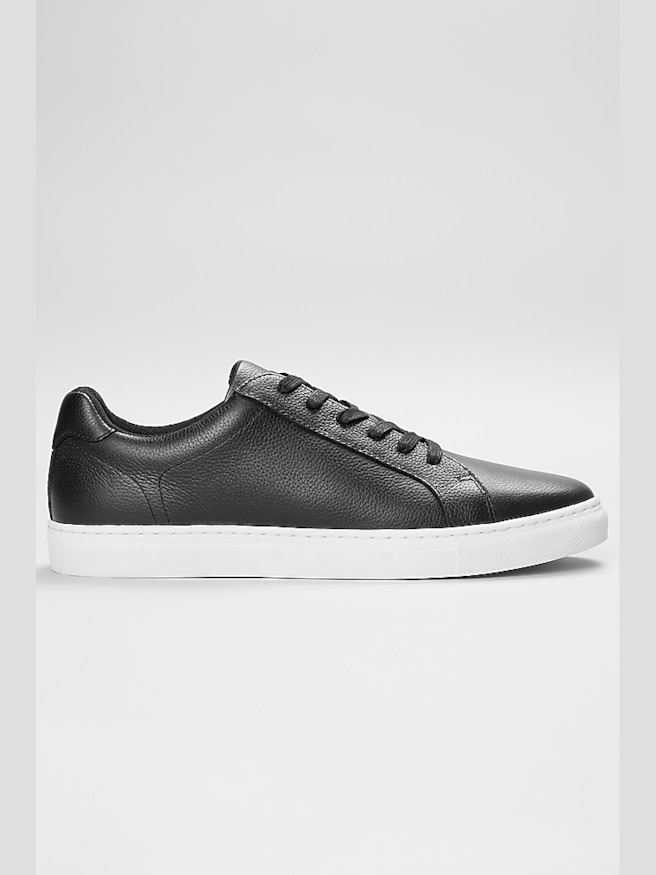
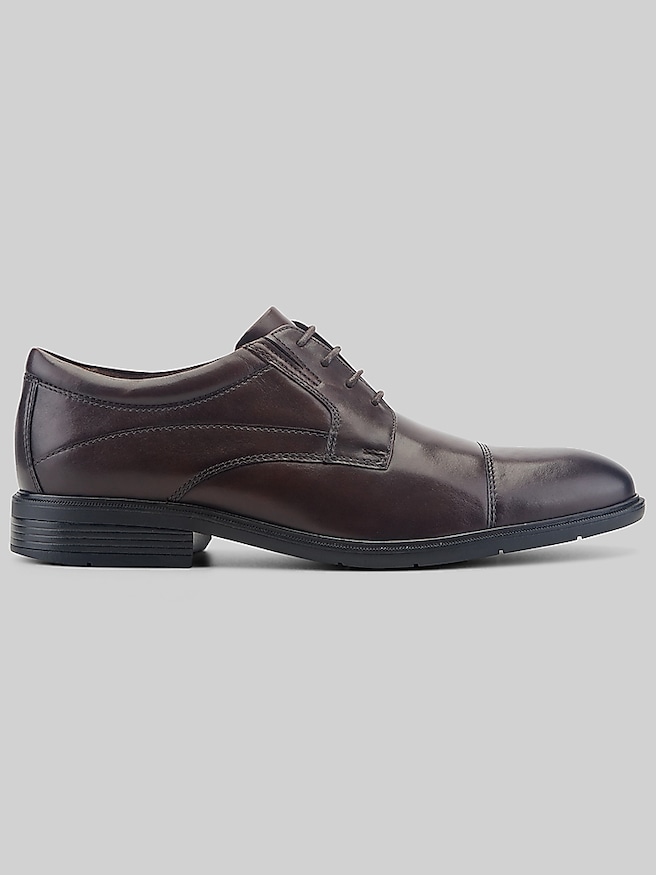
Men’s water-resistant casual shoes combine everyday styling with protection against light rain, splashes, and damp sidewalks. They suit the stretches of a day that happen between destinations: walking from the parking lot to the office, crossing a wet courtyard for lunch, or heading out for dinner after a passing shower. The most useful features work together rather than relying on the upper alone. Water-resistant materials help limit moisture penetration, a cushioned footbed adds comfort underfoot, and a durable outsole supports everyday wear. Water resistance is not the same as waterproofing, however. A water-resistant shoe generally handles brief moisture exposure better than prolonged soaking, and water can still enter through seams, tongue openings, or the collar. Waterproof construction may offer a higher level of protection, but its effectiveness depends on the entire design, not simply the material covering the toes. For casual use, smooth leather, treated suede, coated textiles, and synthetic uppers each bring a distinct look and feel. Properly treated leather can offer a polished finish that pairs naturally with chinos, while textile constructions can keep the appearance relaxed and sporty. Suede has a softer, more textured character, though maintaining its protective treatment and nap takes particular care. No material should be assumed to resist water unless that property is stated in its description. Breathability matters alongside protection, especially when shoes stay on through a commute, a full workday, and an evening out. Some constructions use protective membranes or linings, while others rely on surface treatments; neither approach guarantees the same feel across every design. A balanced choice suits the length of the walk, the expected exposure to moisture, and the clothes worn most often. For everyday errands and casual office settings, understated shapes and practical materials can make water-resistant footwear feel like a natural part of an outfit rather than specialized outdoor equipment.
Comfort in water-resistant casual footwear begins with the shape of the shoe and how securely it holds the foot. Enough room across the forefoot lets the toes rest naturally, while a stable heel fit helps reduce unwanted movement during a walk. A shoe that feels tight across the widest part of the foot is not necessarily a better choice simply because the upper may soften with wear. Length, width, and volume all matter, particularly when pairing shoes with the socks intended for everyday use. Lace-up styles allow adjustments over the instep and can offer a more customized hold; slip-on designs depend more heavily on the shape of the opening, heel, and upper to stay comfortably in place. Underfoot, cushioning can soften the feel of pavement, but softness alone does not determine comfort. A supportive base, a reasonably flexible forefoot, and an outsole suited to the walking surface help create a steadier stride. EVA foam is commonly used for lightweight cushioning, while rubber outsole components can add durability in areas that meet the ground. The actual feel depends on the construction and thickness of those materials. Tread deserves attention, too: channels and textured contact areas may help manage moisture beneath the shoe, but water resistance does not establish slip resistance. Painted crosswalks, smooth entryway tile, and wet metal steps still call for care. For longer walks between transit stops and the office, a secure fit and manageable shoe weight can be more useful than a bulky silhouette. For a mostly seated day with short trips outside, a streamlined profile may fit the setting better. Removable footbeds can be helpful for cleaning or accommodating suitable inserts when the shoe has enough interior space. The strongest everyday match brings fit, cushioning, traction, and intended use into balance without asking a casual shoe to perform like a hiking boot or dedicated work shoe.
The appeal of men’s water-resistant casual shoes also lies in how easily they work with familiar clothing. A low-profile pair in a subdued color can sit comfortably beneath straight-leg jeans, tapered chinos, or casual trousers without making the outfit look overly technical. Smooth uppers and restrained stitching lean toward business casual, while textured fabrics and more pronounced soles create a sportier impression. Brown tones complement denim, olive, and khaki; black and gray can keep an outfit simple alongside darker trousers. The hem matters as much as the color: pants that fall cleanly over the collar keep the proportions balanced and avoid bunching around the ankle. For settings that require a more tailored finish, Men's Water Resistant Dress Shoes offer a related direction for pairing moisture-conscious footwear with dressier clothing. Casual styles remain a practical choice for relaxed workplaces, travel days, neighborhood walks, and weekends with several stops on the schedule. Their longevity depends partly on what happens after those outings. Dirt left around seams and sole edges can be harder to remove once it dries, so gentle cleaning appropriate to the upper helps preserve the finish. Damp shoes generally benefit from air-drying away from radiators, hair dryers, and other direct heat sources that can damage materials or adhesives. Removing loose insoles, when the construction allows it, can help the interior dry more thoroughly. Leather conditioners, suede treatments, and protective sprays serve different purposes and should be chosen according to the material and care instructions rather than used interchangeably. Surface water repellency can diminish with wear, and any renewal treatment needs to be compatible with the shoe. Rotating footwear gives each pair time to dry between outings, while checking worn tread and separating seams helps identify when protection or grip may be compromised. With an appropriate fit and consistent care, water-resistant casual shoes can make everyday dressing simpler when the route includes a little rain, damp pavement, and plenty of time on foot.