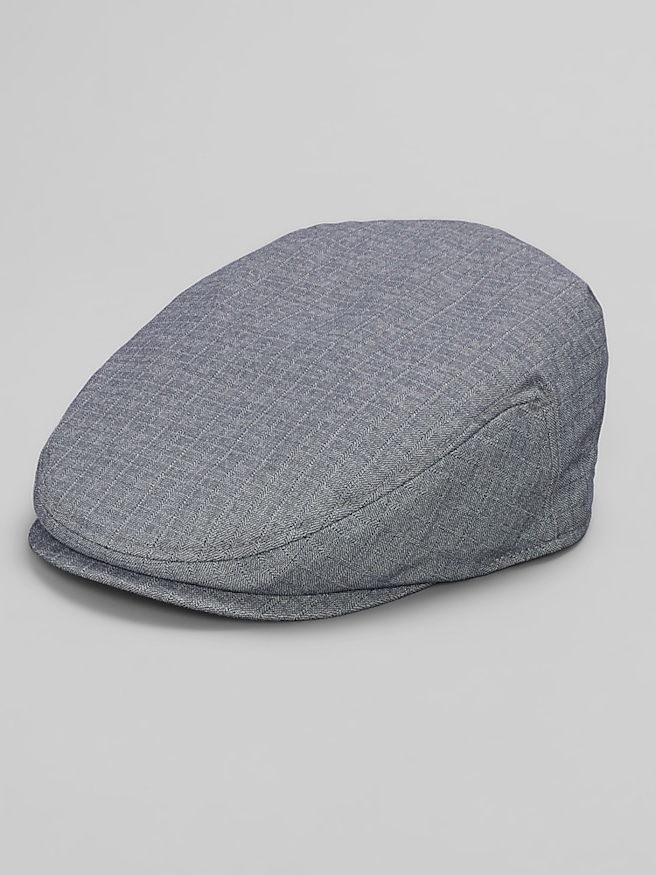
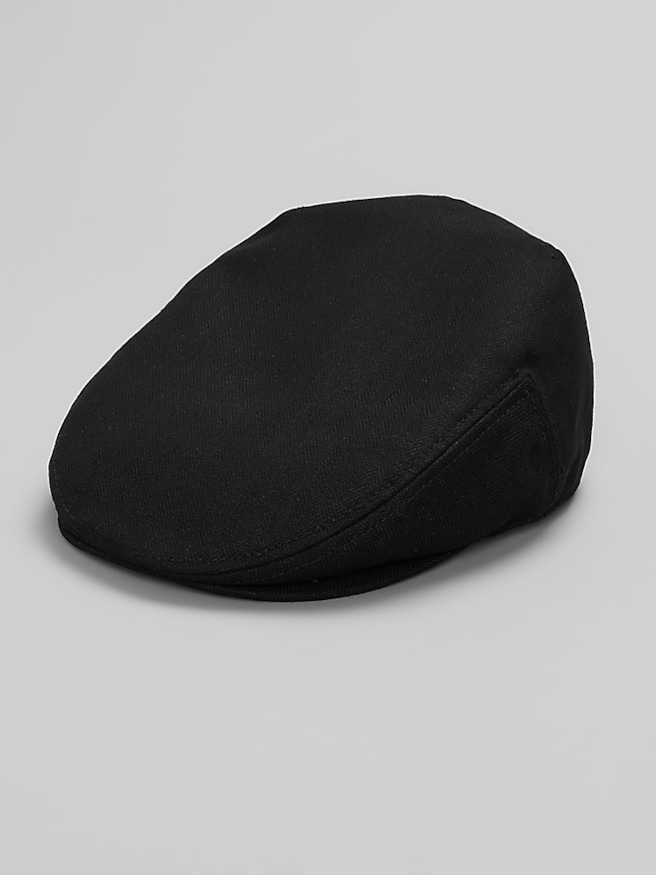
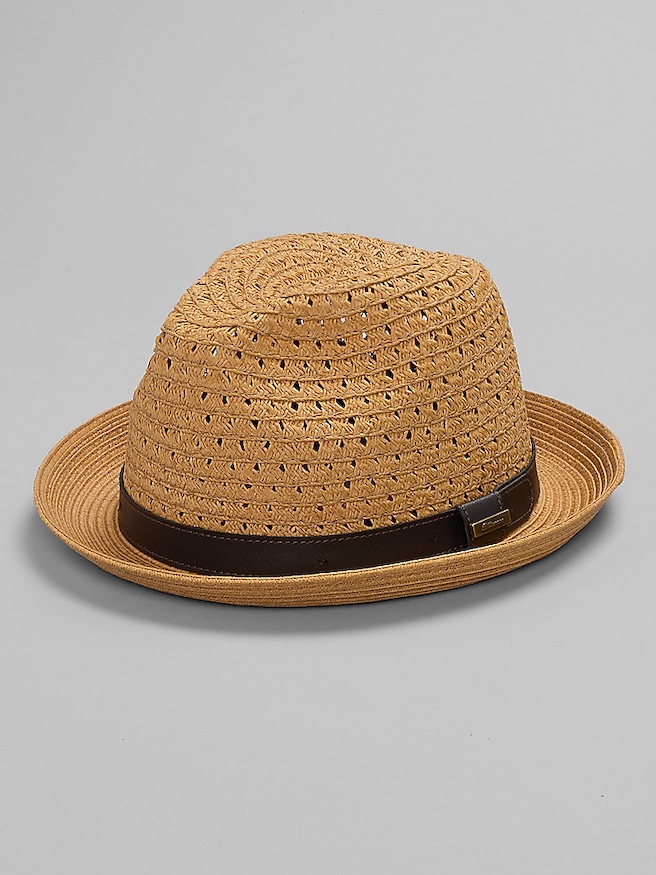
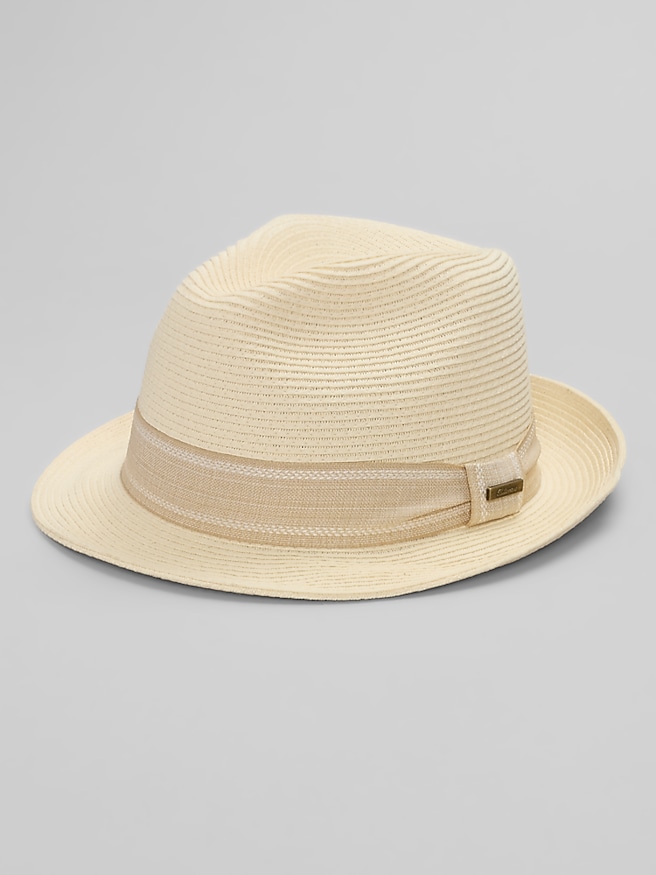
Men’s vintage hats bring the character of earlier eras into everyday dressing, from the shaped crown of a felt fedora to the relaxed profile of a flat cap. The term can describe original hats made decades ago or newly made hats with vintage-inspired details; the distinction matters because age, construction, and condition affect how a hat wears and how much care it needs. Classic silhouettes span several traditions. Bowlers, also called derby hats, have rounded crowns and firm, curled brims associated with late nineteenth- and early twentieth-century dress. Straw boaters have flat crowns and straight brims, giving them a crisp, distinctly old-fashioned appearance. Fedoras became a familiar part of twentieth-century tailoring, with creased crowns and brims that frame the face without the height of a top hat. A homburg has a center-creased crown and an upturned, bound brim, creating a more structured expression. Flat caps sit close to the head, while newsboy caps generally have fuller, paneled crowns, often finished with a button at the top. Later decades brought another strand of vintage style: athletic caps, adjustable snapbacks, and mesh-backed trucker shapes that fit naturally with casual clothing. These categories have broad histories rather than strict boundaries, and the shape usually matters more to an outfit than a precise decade. A dark felt brim above a textured overcoat can suggest mid-century polish without looking like a costume. A softly rounded cap worn with a knit sweater, straight-leg trousers, and leather boots feels less formal but just as considered. For occasions that call for a tailored silhouette, Men's Dress Hats offer a related direction within classic headwear. The appeal of a vintage look is often in these small choices: the sweep of a brim, a narrow ribbon, a subtle check, or a crown that holds its shape while the rest of the outfit stays simple.
Material gives a vintage-style hat much of its personality, along with its suitability for regular wear. Wool felt offers a dense surface and a substantial feel that works well with cooler-weather layers. Fur felt, traditionally used in many dress hats, can have a smooth finish and resilient structure, though performance depends on the quality of the felt and how it has been shaped. Neither material should be assumed waterproof. Woven wool and tweed bring texture to flat caps and newsboy shapes, while cotton and linen feel lighter and tend to suit milder conditions or extended indoor wear. Straw contributes a distinct woven texture and often a lighter feel, but its resistance to cracking or crushing varies with the fiber and construction. Inside the hat, a smooth lining and a comfortable sweatband can matter as much as the exterior, especially during a long outdoor gathering or a commute followed by dinner. Fit should feel secure without pressure at the temples or a tight mark across the forehead. Head circumference is a useful starting point, measured around the position where the hat will sit, above the ears and across the forehead, then compared with the maker’s sizing information. Two hats marked with the same size may feel unlike each other because crown shape, head shape, and sweatband construction influence contact. A structured fedora should settle comfortably rather than needing to be forced down; a flat cap should rest neatly without pulling hard across the front or leaving excess fabric bunched at the sides. Proportion also affects the result. A broader brim has more visual presence beside wide lapels or a substantial coat, while a compact cap works easily with a shorter jacket. Crown height, brim width, and the angle of wear are best considered together. Looking at the hat with the outerwear it will accompany gives a more useful impression than judging it alone.
Durability comes from sound construction and habits that protect the hat’s shape. Even stitching, a securely attached band, a stable brim edge, and an intact interior are useful signs of workmanship. With an original vintage hat, age adds another consideration: a handsome exterior can hide a brittle sweatband, weakened thread, or a lining that has become fragile. Light surface wear may contribute character, but cracks, loose seams, persistent odors, or a distorted crown can make regular use less practical. Newly made vintage-inspired styles may suit someone who wants a period silhouette for frequent wear without the handling concerns of an older piece. Care should follow the material and the maker’s instructions. A soft hat brush can lift loose dust from felt, while a suitable garment brush can refresh many woven caps; vigorous scrubbing may roughen fibers or disturb the finish. Avoid machine washing unless the care label specifically permits it, since moisture and agitation can shrink fabric, damage internal supports, or alter the brim. If a hat becomes damp, let it dry naturally away from radiators and other direct heat. Store it without heavy clothing pressed against the crown, and use support that keeps the brim from bending out of shape. Repeatedly pinching a felt crown can weaken the crease, so handle it gently and avoid gripping the same point each time. Those details help a favorite hat remain useful beyond an occasional event. A vintage-inspired cap can become an easy companion for neighborhood walks, weekend lunches, or trips where a familiar accessory makes simple clothing feel complete. A felt dress hat can complement a suit for an outdoor ceremony or add definition to an overcoat on the way to an evening performance. As a gift, classic headwear is most successful when it reflects the recipient’s existing habits: a quiet pattern for someone who favors solid sweaters, a clean brimmed shape for someone who enjoys tailoring, or an understated athletic silhouette for a casual wardrobe. Knowing the recipient’s head measurement and preferred fit helps turn an appealing object into something that gets worn. The strongest vintage look rarely depends on recreating an entire era; one well-chosen shape, comfortable enough to wear naturally, can carry the reference.