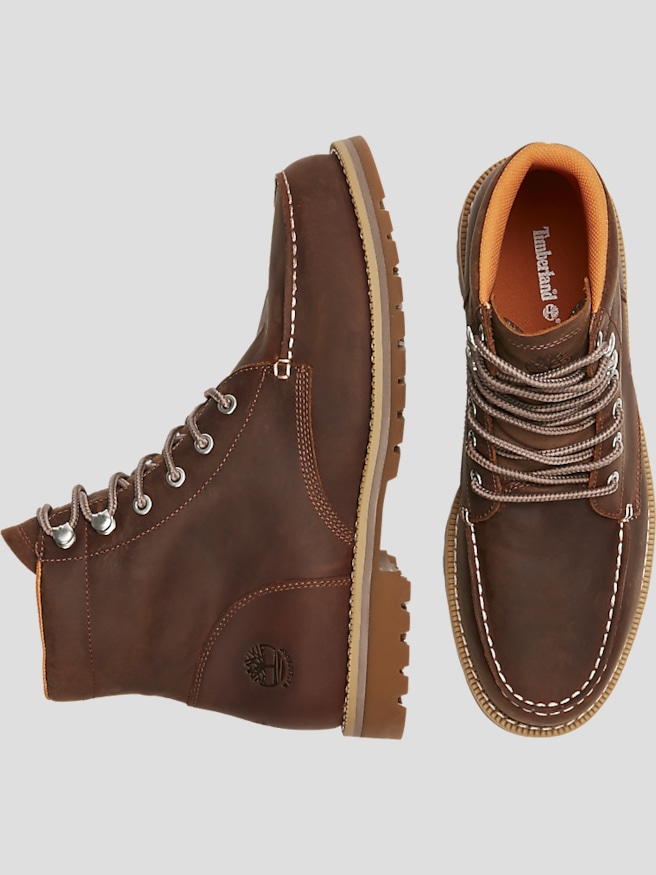
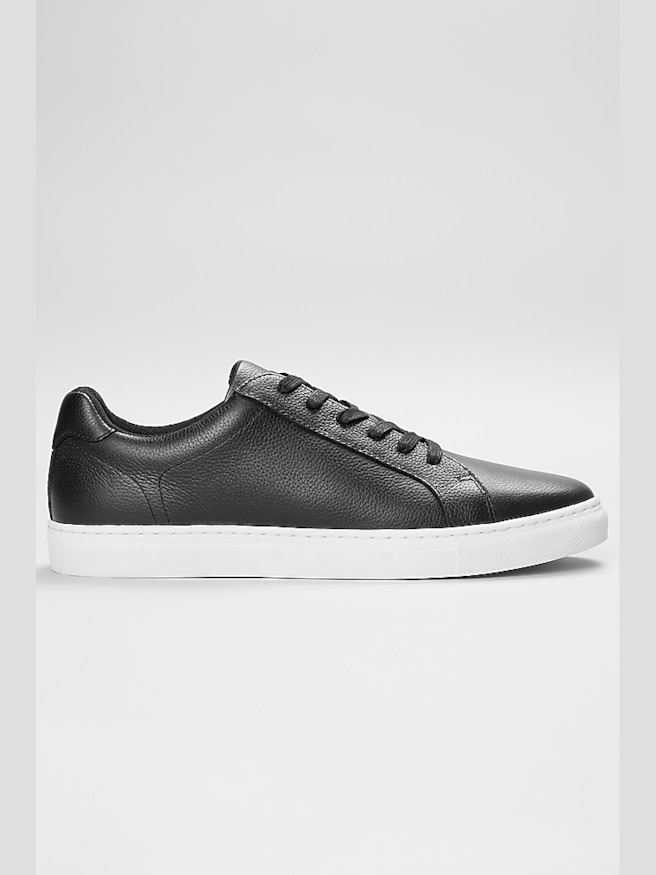
Men’s versatile shoes bring together a clean appearance, practical comfort, and the ability to work with more than one part of a wardrobe. The most adaptable styles often include minimal leather sneakers, brown leather loafers, and suede chukka boots, each offering a distinct balance of casual ease and polish. A white leather sneaker with restrained stitching and a simple profile looks natural with straight-leg jeans, chinos, or tailored casual trousers. It can also complement an unstructured suit when the setting allows relaxed footwear, although traditional business dress and formal events generally call for dress shoes. Brown loafers bridge the space between denim and tailoring particularly well: their slip-on shape feels easygoing, while smooth leather and a neat toe keep the overall look composed. Suede chukkas offer another flexible option, with ankle-height coverage and uncomplicated lacing that sit comfortably alongside dark jeans, textured trousers, and casual jackets. For someone moving from a desk to a dinner reservation, those understated details matter more than decorative hardware or a dramatic silhouette. Black, dark brown, tan, navy, and white each have a place, with the best choice depending on the colors already worn most often. Dark brown tends to complement navy, gray, olive, and denim, while black creates a sharper finish with charcoal trousers and darker outfits. A streamlined derby can make sense when the routine includes client meetings as well as less formal plans; its open-lacing construction offers styling flexibility without looking overly casual. Low-profile slip-ons, including Mens Driving Shoes, bring a relaxed alternative to outfits built around chinos, denim, and casual button-down shirts. Driving-inspired designs often emphasize flexibility and pedal feel, so their suitability for extended walking depends on the sole construction and support. Versatility is not about making every shoe appropriate everywhere. It is about finding shapes, colors, and finishes that look at home across the places a person actually goes, whether that means an office with a relaxed dress code, a restaurant, a family gathering, or an afternoon spent around town.
Materials and construction influence how versatile footwear feels just as much as how it looks. Smooth leather offers a polished surface that can usually be cleaned and conditioned with products appropriate to its finish. Full-grain leather retains the hide’s natural grain and can develop character with wear, though durability also depends on stitching, sole quality, and regular maintenance. Suede has a softer, more textured appearance that makes tailored clothing feel less rigid and casual clothing look more considered. Its nap requires a suitable brush and suede-specific care rather than ordinary leather polish. Textile uppers can feel light and relaxed, while synthetic materials vary considerably in flexibility, breathability, and upkeep. Inside the shoe, a smooth lining, a stable heel, and cushioning placed where the foot bears weight can make the difference between a pair that looks good briefly and one that remains comfortable through a full schedule. Cushioning alone does not establish a good fit. Toes need room to move without pressing against the front or sides, the widest part of the foot should align with the widest part of the shoe, and the heel should feel secure without pinching. Lace-up designs allow adjustments across the instep, while loafers rely more heavily on the shape of the upper and the fit around the heel. A little leather softening may occur with wear, but a shoe that squeezes painfully or forces toes together is not a sound starting point. The socks normally worn with the shoes also affect fit, particularly when switching between thin dress socks and thicker casual pairs. Underfoot, rubber soles can provide useful cushioning and grip, while leather soles offer a traditional dress-shoe finish; neither material alone guarantees comfort or traction on every surface. Flexible forefoot construction may suit everyday movement, but adequate support remains important for long periods of standing. For commutes, errands, or workplace routines that involve substantial walking, practical sole coverage and a comfortable fit deserve as much attention as the upper’s appearance.
The details that help shoes move between outfits also help them remain useful over time. A moderate toe shape, discreet stitching, and balanced proportions tend to work with more trouser cuts than an exaggerated point, bulky platform, or heavily embellished upper. Slimmer shoes often complement tailored pants, while a slightly more substantial sole can look balanced beneath straight-leg denim. Trouser length matters, too: a hem that rests neatly near the top of the shoe keeps the silhouette intentional rather than crowded with excess fabric. Coordinating the general tone of leather shoes and a leather belt creates a cohesive impression without requiring an exact color match. For a business-casual presentation, brown loafers, gray trousers, and a tucked-in shirt offer a composed combination; for a relaxed dinner, dark denim and suede chukkas provide texture without excessive formality. Keeping that flexibility intact involves straightforward care. Surface dust and dirt are easier to address before they become embedded, and leather conditioner should be compatible with the material and finish. Polish can restore the appearance of suitable smooth leather, while suede benefits from gentle brushing that lifts the nap. Shoes should dry naturally away from direct heat, and cedar shoe trees can help absorb moisture and maintain the shape of leather uppers between wears. Giving frequently worn pairs time to air out, checking heel wear, and addressing loose stitching early can help extend their useful life. Some constructions allow professional resoling, but repair options depend on how the upper and sole are joined. Versatile footwear can also make a thoughtful gift for a graduate building a professional wardrobe, a father who appreciates understated style, or a partner whose schedule moves between work and social plans. Knowing the recipient’s usual size, width, preferred fastening, and daily routine is more useful than choosing by appearance alone. The strongest everyday choices combine those personal needs with adaptable styling, creating shoes that feel familiar with favorite clothes and polished enough for plans that call for a little more effort.