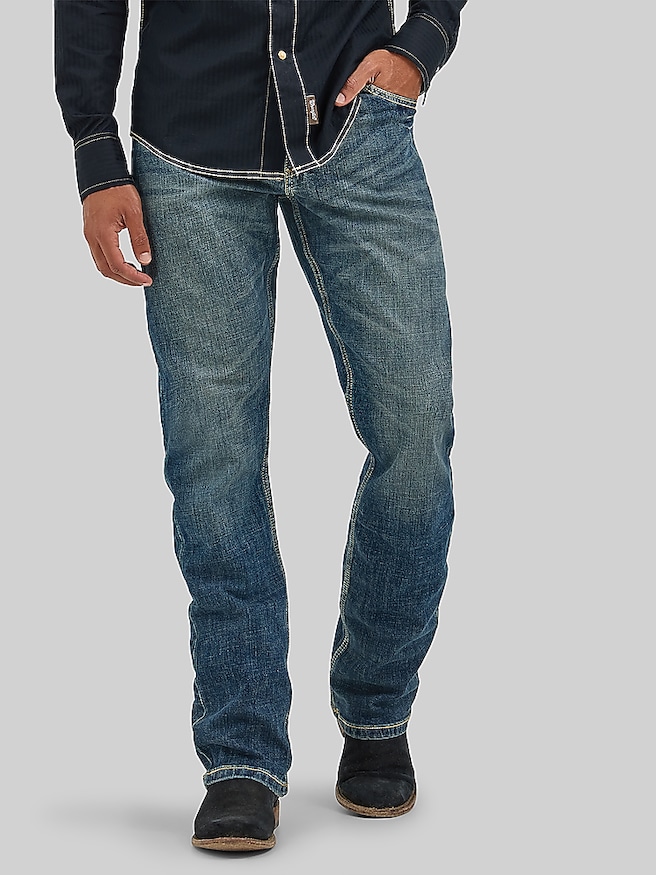
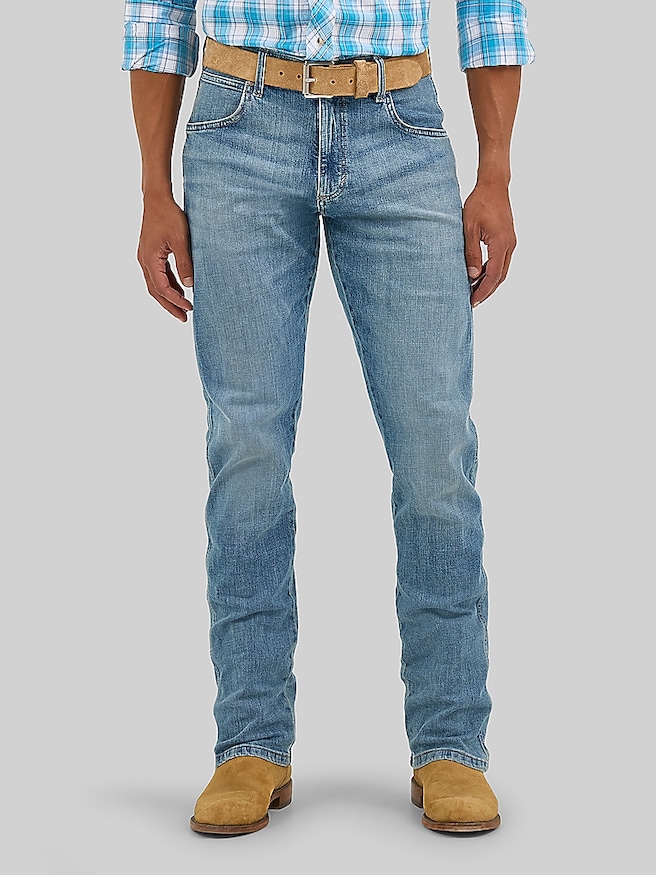
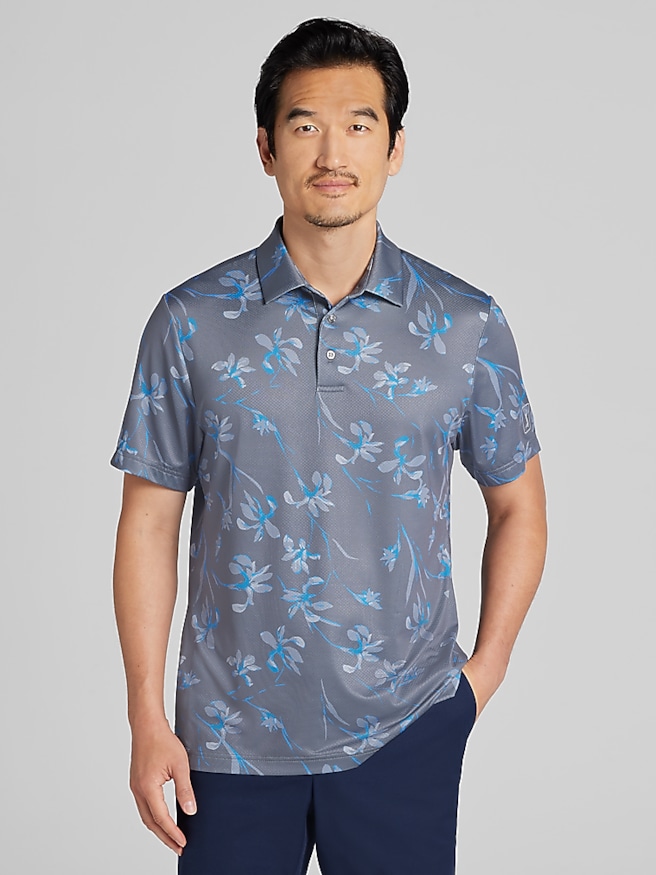
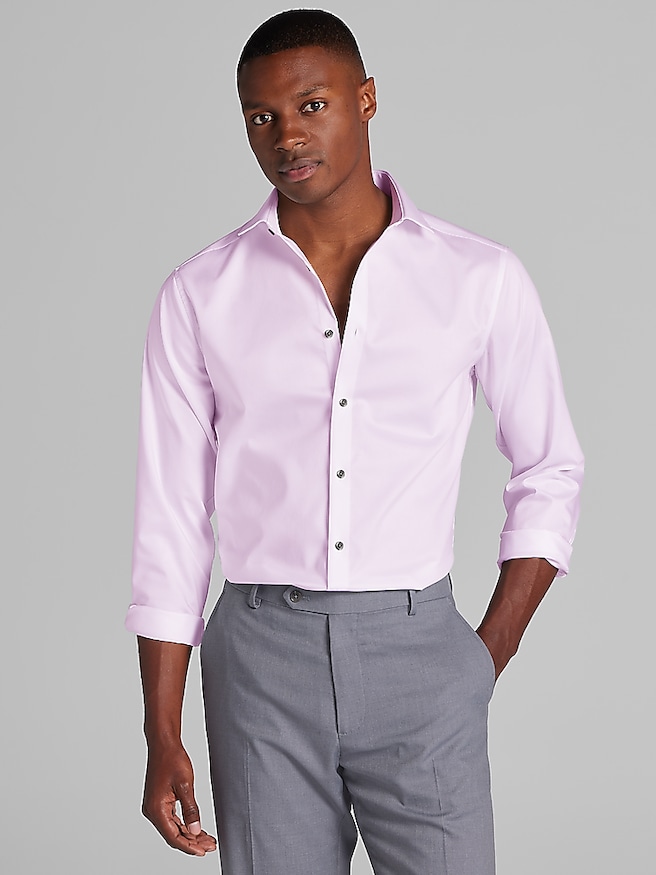
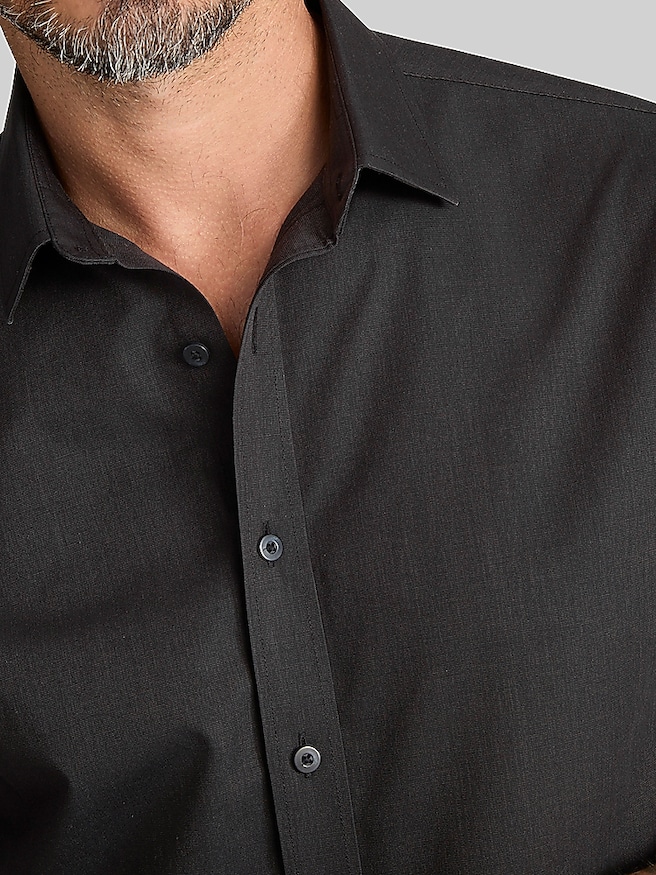
Men’s urban wear brings streetwear influences into everyday clothing, combining relaxed shapes, expressive details, and the polish of a thoughtfully put-together outfit. The category spans casual tops, easy-fitting pants, layered looks, and athletic-inspired clothing, with an emphasis on pieces that feel natural on a city sidewalk, at a neighborhood restaurant, or in a creative workplace. Its roots draw from music, skate culture, sports, and the way people adapt clothing to the pace of daily life. That background leaves plenty of room for personal taste: a restrained outfit built around solid colors can feel just as at home in an urban wardrobe as a look with graphic details or a more pronounced silhouette. Black, charcoal, navy, and earth tones create a steady foundation, while a brighter accent or contrasting texture gives the outfit a focal point. The appeal lies less in following a single formula than in getting the proportions and level of formality right for the setting. A relaxed top paired with a cleaner pant shape reads differently from a close-fitting top worn with a wider leg, even when the colors are similar. Neither approach needs excessive decoration to feel deliberate. For outfits centered on the upper half, Mens Urban Shirts offer a related direction within the broader urban aesthetic. A defined collar, an open neckline, or a visible layer beneath a shirt can shift the mood without changing the entire outfit. These small distinctions matter when the same wardrobe needs to cover a coffee stop, a casual workday, and dinner with friends. Urban dressing often succeeds through that kind of flexibility: familiar clothing takes on a distinct character through its shape, texture, and relationship to the rest of the look, rather than through an outfit built around attention-grabbing details alone.
Materials and construction have a direct effect on how men’s urban clothing looks, feels, and holds up to repeated wear. Cotton jersey often provides a soft, familiar feel for casual tops, while heavier jersey can give a silhouette more body and help it hang away from the torso. Twill has a visible diagonal weave and can bring structure to everyday pants; denim offers another textured option whose character depends on its weight, finish, and fiber blend. Knit fabrics generally move differently from woven fabrics, so two garments with similar measurements may feel noticeably different during a long day. A small amount of stretch can make sitting, walking, and bending more comfortable, although recovery—the fabric’s ability to return toward its original shape—also matters. Fiber content alone does not determine quality. Fabric density, seam construction, stitching, and the way edges are finished all contribute to durability and appearance. Fit deserves the same attention as material, particularly in a category where relaxed and oversized silhouettes are intentional design choices. A roomy fit should still allow the neckline, shoulders, sleeves, and hem to sit in a way that looks considered. Excess fabric bunching at the waist or collecting over footwear can change the proportions more than expected. Pant rise influences where the waistband rests, while the cut through the seat and thigh affects comfort both standing and seated. For someone moving between a desk, a train platform, and a walk across town, freedom of movement matters more than a size label alone. Pocket placement and depth can also affect everyday usefulness, especially when carrying a phone or keys. Smooth closures, neat interior seams, and cuffs that retain their shape are practical details worth noticing. Together, these features help distinguish clothing that merely creates a look from clothing that remains comfortable and functional throughout an ordinary day.
An urban wardrobe earns its place through repeat wear, and thoughtful care helps preserve both its appearance and its useful life. The care label remains the starting point because similar-looking fabrics can require different treatment, especially when a garment includes printing, embroidery, contrasting panels, or special finishes. Washing only as needed, separating colors appropriately, and using the recommended settings can help limit unnecessary wear. Turning decorated clothing inside out may reduce friction against the surface, while avoiding excessive dryer heat can help protect shape and certain stretch fibers when the care instructions allow an alternative. Heavier knits often benefit from storage that does not pull at the shoulders, and woven clothing generally looks neater when put away without sharp, unintended folds. Small repairs, such as securing a loose button or addressing an opening seam early, can keep a minor issue from interrupting regular use. These habits support the central appeal of men’s urban wear: clothing that works across familiar routines without requiring a completely separate outfit for every stop. A casual office may call for cleaner lines and quieter graphics, while a concert, gallery visit, or relaxed gathering leaves more room for bold proportions and distinctive details. The wearer’s own habits should guide the balance. Someone who walks frequently may value unrestricted movement and secure pockets; someone who spends much of the day seated may pay closer attention to waistband comfort and fabric flexibility. Urban clothing can also make a thoughtful gift for a friend, partner, sibling, or recent graduate whose style already leans casual and contemporary. Familiar colors, a known size, and a silhouette similar to clothing the recipient enjoys are more useful starting points than assumptions about a trend. Across these uses, the strongest wardrobe is one that feels recognizable to its wearer, with comfortable fabrics, purposeful fits, and enough consistency for individual pieces to work together naturally.