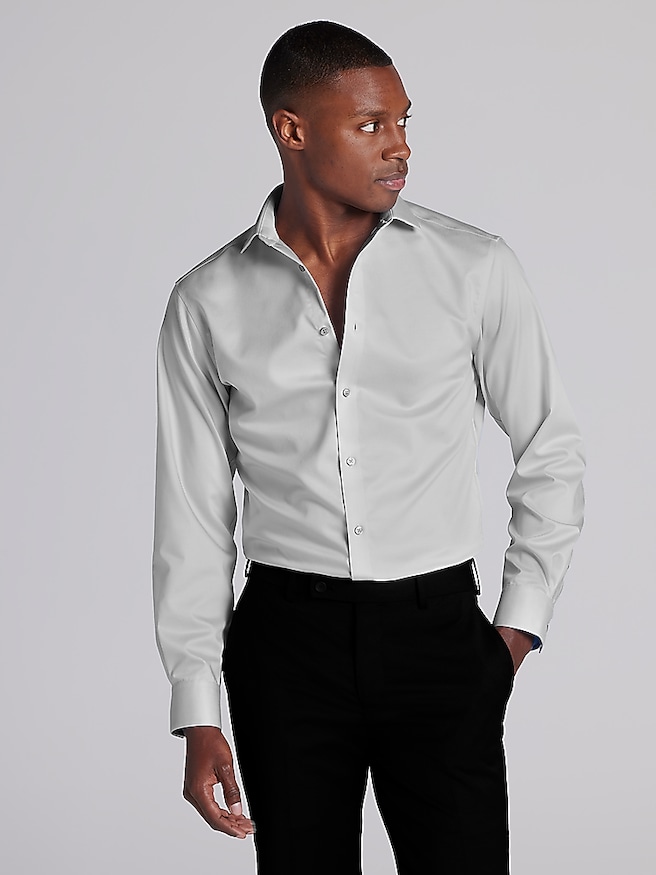
Men’s unique shirts bring personality to everyday dressing through distinctive patterns, expressive color, unexpected texture, and thoughtful details. The category spans printed button-ups, graphic T-shirts, textured woven shirts, and designs with contrast collars, unusual pocket placement, or subtle embroidery. A shirt does not need a large, colorful print to feel distinctive: a tonal geometric weave or an understated stitched motif can be just as memorable. What separates a standout shirt from a basic is often the way its details work together. A small repeating pattern reads differently from a broad abstract print, while a textured solid adds depth without introducing another color. Florals, architectural shapes, vintage-inspired motifs, and artful graphics each create a particular mood, from relaxed and playful to polished and expressive. Pattern scale matters, too. Fine designs can appear nearly solid from across a room, making them approachable for an office with a flexible dress code; larger motifs become the focal point of an outfit and suit settings where personal expression feels at home. Placement also changes the effect. An allover print has a steady visual rhythm, while a single embroidered detail or graphic concentrates attention in one area. Long sleeves, short sleeves, camp collars, and traditional button-front shapes give these designs distinct personalities without limiting them to one type of occasion. A fluid, open-collar shirt can feel natural at a restaurant or gallery opening, while a crisp patterned button-up can sit comfortably beneath a blazer at a celebration. For concerts, casual gatherings, and weekends away, a graphic tee or relaxed printed shirt offers an easy way to make familiar jeans feel more considered. The most wearable statement pieces usually have a clear point of view without demanding an entirely new wardrobe. A familiar background color, a comfortable silhouette, or a pattern that echoes colors already worn regularly can make an expressive shirt feel personal rather than like a costume.
Fabric gives a unique shirt much of its character, influencing not only how it looks but also how it moves and holds up to repeated wear. Cotton can provide a soft, familiar feel, with results ranging from smooth poplin to more visibly textured weaves. Oxford cloth has a basket-weave structure that lends body and a slightly casual appearance, while twill’s diagonal construction can create a supple drape. Linen brings natural slubs and an easy, gently rumpled surface; blends can balance that texture with other handling characteristics, depending on their fiber content and construction. Shirts made with rayon or similar regenerated cellulosic fibers often have a fluid fall that lets a large print move rather than sit stiffly against the body. Knit fabrics offer another kind of expression, with stretch and surface texture that can make a simple stripe or small graphic feel relaxed. Jacquard patterns are woven into the fabric, creating dimension that differs from a printed design, and embroidery adds raised detail that may deserve extra attention during laundering. Durability depends on more than fiber alone. Fabric weight, stitch quality, seam finishing, and reinforcement at stress points all contribute to how a shirt wears over time. Secure buttons, neatly finished buttonholes, and smooth seams are useful details to notice, particularly on a shirt intended for frequent use. Care requirements deserve equal consideration when distinctive finishes are part of the appeal. Printed graphics, decorative stitching, and contrasting fabrics may call for gentle washing, reduced heat, or professional cleaning, so the garment’s care label should take priority over a general routine. Turning a washable printed shirt inside out can help reduce surface abrasion, and avoiding excessive dryer heat may help protect both fit and decoration. An iron should not be placed directly over a graphic unless the care instructions permit it. A design that fits comfortably into an established laundry routine is more likely to become a regular favorite than one whose upkeep feels impractical.
Fit gives a distinctive shirt room to look intentional. Shoulder seams that sit close to the natural shoulder generally create a neat outline in traditionally cut shirts, while dropped shoulders are part of the design in many relaxed silhouettes. Across the chest and back, enough ease for reaching forward and sitting comfortably helps prevent pulling that can distort a pattern. A button-front shirt should lie smoothly through the torso rather than forming gaps between buttons, and sleeves should allow natural movement without excessive fabric gathering beneath a jacket. Slim, tailored, and relaxed fits can all work with expressive designs; the right choice depends on body proportions, preferred drape, and intended use. Shirt length matters as well. A hem designed to be worn untucked usually creates a cleaner finish than a long dress-shirt tail left loose over trousers, while a tucked shirt needs enough length to stay secure through ordinary movement. Styling is often strongest when the rest of the outfit gives the shirt some breathing room. Dark denim, solid chinos, and simply shaped trousers can ground a busy print without making the outfit feel overly coordinated. Pulling one quieter color from the design into a jacket or pair of pants creates a connection without requiring an exact match. Texture can also provide the contrast: a patterned shirt beneath a smooth jacket looks distinct from the same shirt worn with a visibly woven layer. A wardrobe that combines expressive designs with Men's Essential Shirts has room for both standout outfits and straightforward combinations. For a workplace, wedding reception, or dinner with a stated dress code, the shirt’s collar, fabric, and overall formality matter alongside its print. Unique shirts can also make thoughtful gifts for someone known for a favorite color, an interest in art, or a confident approach to dressing. Familiar sizing, preferred collar shapes, and realistic care needs are better clues than choosing the boldest design. The strongest choice feels connected to the wearer’s personality and comfortable enough to earn repeat wear.