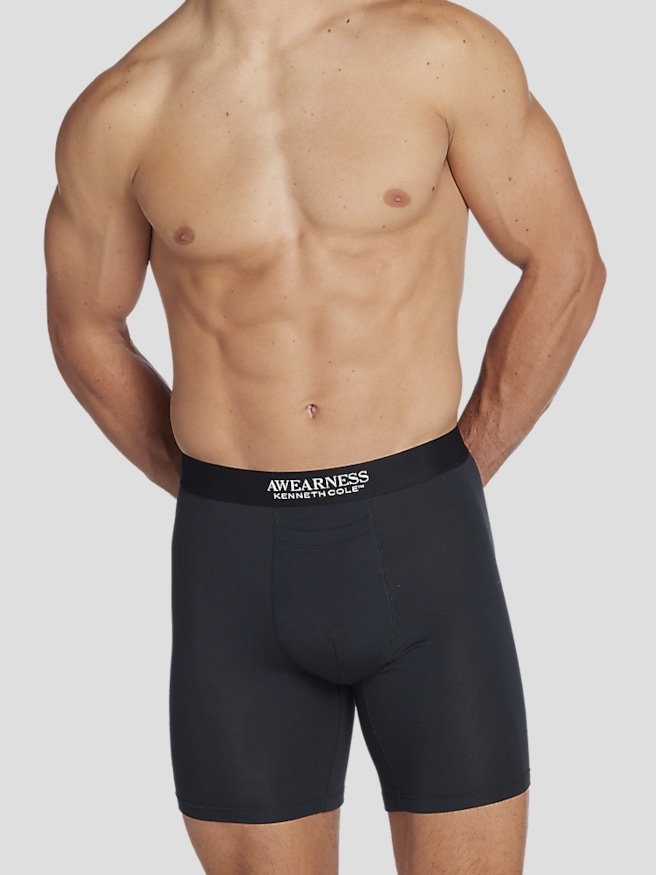
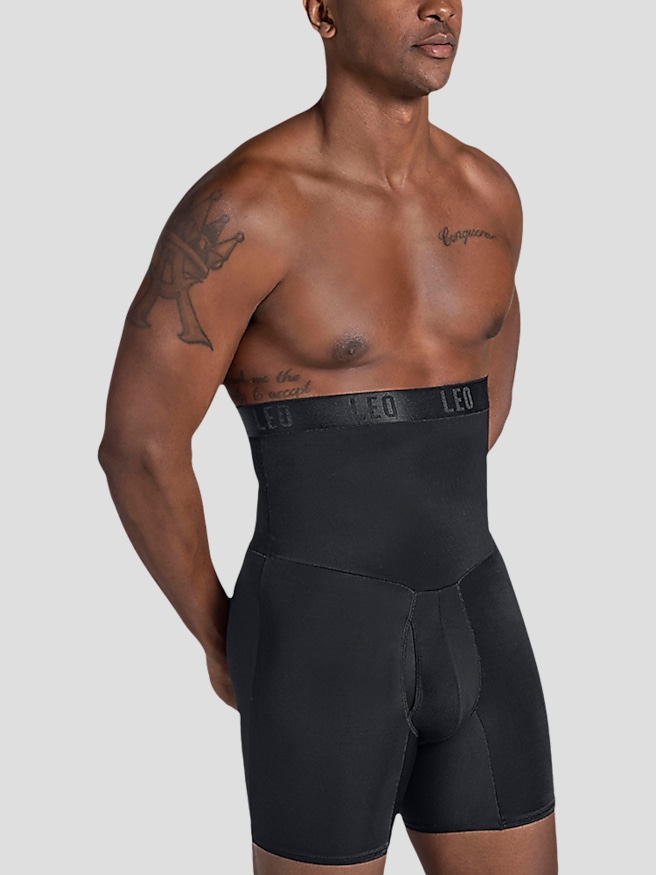
Men’s underwear briefs are close-fitting undergarments that provide front support and seat coverage while leaving the upper thighs uncovered. Their defining feature is a leg-free silhouette: unlike boxers or boxer briefs, briefs have no fabric extending down the thigh. That compact shape makes them a practical foundation beneath dress pants, chinos, jeans, and athletic shorts, especially for men who dislike excess material gathering beneath their clothing. The appeal is as much about everyday ease as appearance. During a seated commute, a long afternoon at a desk, or an evening in a tailored suit, well-fitting briefs should feel secure without demanding frequent adjustment. Fit depends on more than a waist measurement, since the rise, front construction, seat depth, and leg openings all affect how a pair sits. Low-rise briefs generally rest closer to the hips, mid-rise cuts sit between the hips and natural waist, and higher-rise designs provide more coverage through the lower torso. The most comfortable choice often corresponds to the waistband position of the pants worn over them. A brief that sits comfortably beneath lower-rise jeans may feel quite distinct from one intended to sit beneath trousers with a higher waist. Across these shapes, the waistband should lie flat rather than fold over, the seat should remain covered during movement, and the leg openings should follow the body without digging in. Extra fabric at the front or seat can bunch beneath fitted pants, while excessive tightness can pull at seams and leave the wearer feeling restricted. Briefs can create a streamlined foundation, but their edges are not automatically invisible beneath every fabric. Smooth seams, a flat waistband, and an appropriate fit matter most under lightweight or closely tailored trousers. For everyday dressing, the goal is simple: dependable support and coverage that let the clothing above sit naturally.
Fabric gives men’s briefs much of their character, influencing softness, stretch, moisture handling, and how they feel after hours of wear. Cotton is a familiar option for its soft, absorbent feel and straightforward everyday comfort. Cotton blended with a small amount of elastane or spandex adds stretch, allowing the fabric to move with the body and recover its shape between movements. Modal and other regenerated cellulose fibers can bring a smooth, supple texture, while microfiber fabrics often have a fine, lightweight feel that works well beneath fitted clothing. Fiber names alone do not tell the whole story, however; knit structure, fabric weight, finishing, and construction also influence comfort. Moisture-wicking materials are designed to move moisture away from the skin, and drying performance varies by blend and fabric design. For workouts, walking, or days spent moving between appointments, those properties may be useful alongside a supportive cut. Briefs leave the thighs uncovered, so they do not provide the same fabric barrier against inner-thigh rubbing as longer underwear styles. That distinction matters when choosing underwear for extended activity. For desk work or travel, attention may turn instead to a flexible waistband, soft leg bindings, and seams that stay comfortable while seated. A contoured front can provide shaped space and support, while a flatter construction offers another feel; neither approach suits every body equally. Fly-front and no-fly designs also reflect personal preferences for convenience and simplicity. Construction details can be easy to overlook until the end of a long day. A bulky seam may become noticeable beneath slim trousers, and a stiff waistband edge can distract during a drive. Flat seams, neatly finished edges, and comfortable labels help reduce those pressure points. Color is another practical consideration, particularly beneath light-colored pants, where contrast and fabric opacity can make underwear more noticeable. The best balance comes from matching fabric and construction to the wearer’s routine rather than assuming that one material or cut works equally well for every occasion.
Durability in men’s underwear briefs comes from both sound construction and care suited to the fabric. Even stitching, securely attached waistbands, and leg openings that retain their shape help a pair remain comfortable through repeated wear and washing. Stretch fibers and elastic benefit from following the garment’s care label, especially when it specifies water temperature, drying methods, or restrictions on bleach and fabric softener. Washing with similar colors helps protect the appearance of lighter fabrics, while avoiding an overloaded machine gives garments room to rinse properly. Where the care instructions permit, gentle washing and lower-heat drying can help limit unnecessary stress on elastic and fabric. Briefs should be fully dry before storage, and a simple fold keeps them easy to see without stretching the waistband around a bundle of fabric. Over time, a waistband that no longer recovers, leg openings that stay loose, thinning areas, or seams that rub can indicate that the original fit has changed. Keeping enough pairs for the usual laundry schedule also makes it easier to rotate wear rather than repeatedly washing the same few. For travel, the compact shape takes up little space in a bag, while fabric drying requirements matter when laundry facilities are limited. Briefs can also be a useful gift for an adult recipient when the giver already knows the preferred size, rise, fabric, and front construction; those details are more meaningful than guessing from pants size alone. Familiar preferences are especially helpful for someone who has worn the same underwear shape for years and values consistency. The broader Men's Underwear category provides context for comparing briefs with longer silhouettes, but briefs remain distinct for their combination of close support and freedom through the legs. Whether worn beneath office clothes, weekend denim, or workout gear, their everyday value rests on a comfortable fit, fabric that suits the activity, and construction that holds up to regular use.