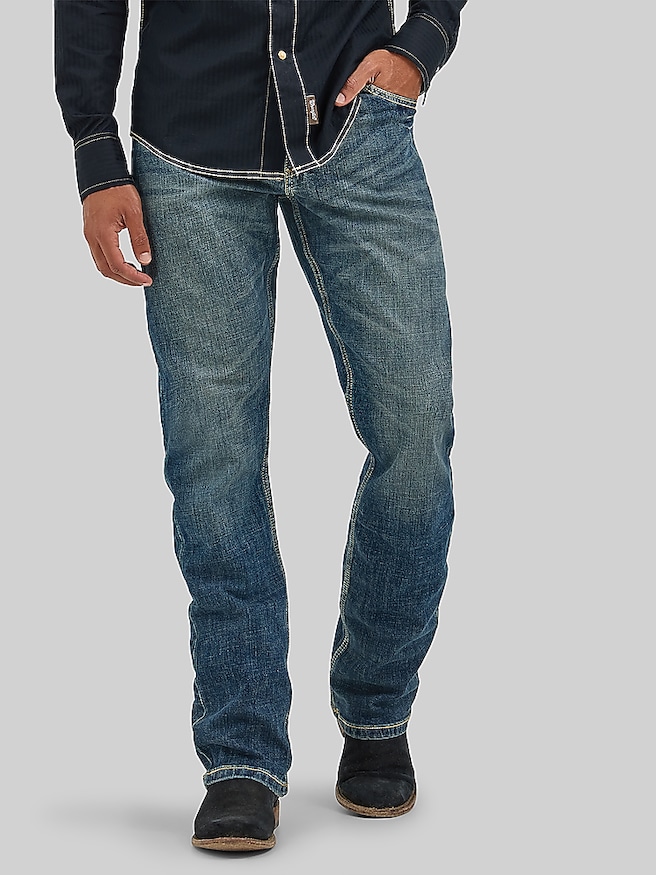
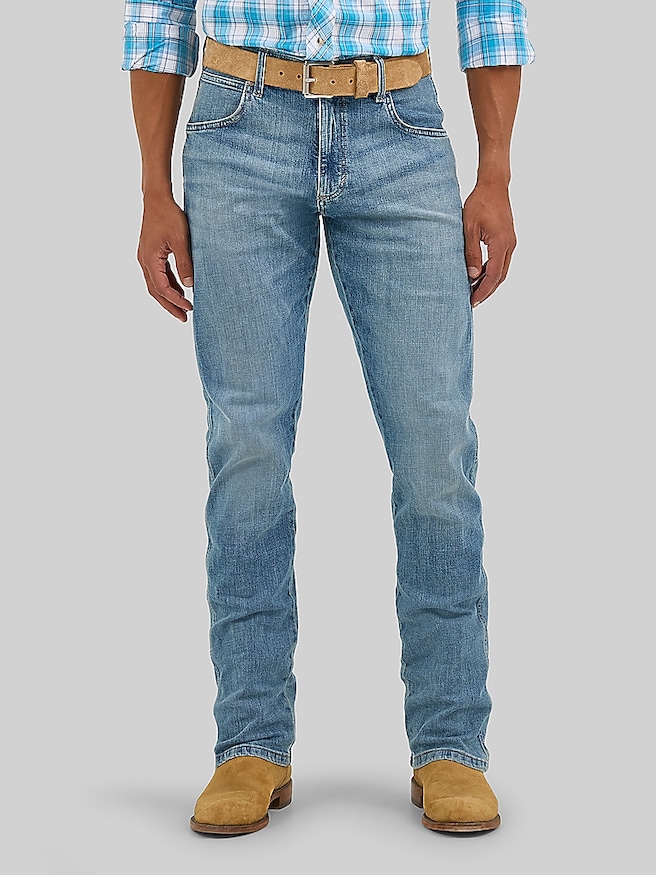
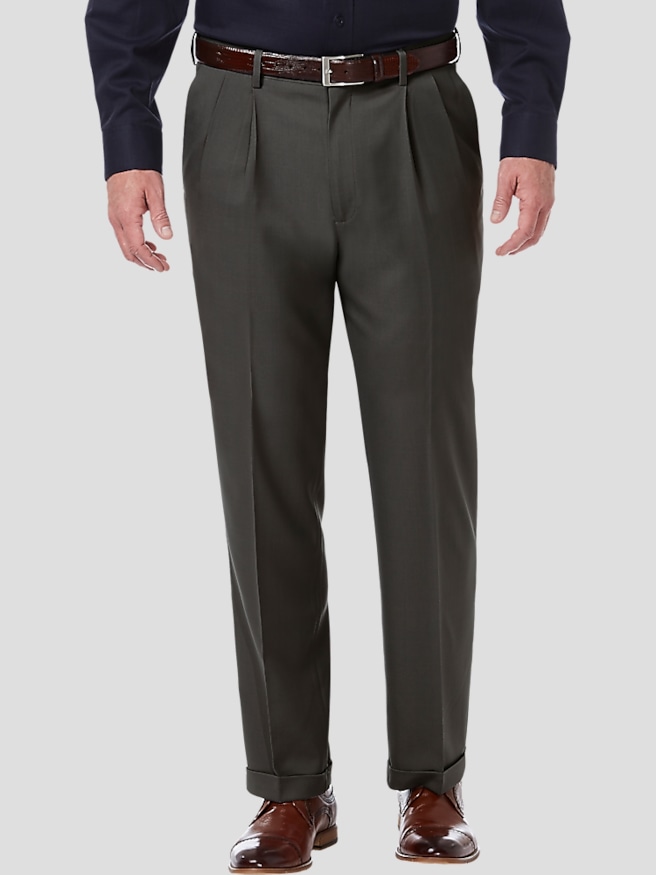
Men’s trousers span tailored dress pants, crisp chinos, and relaxed silhouettes, bringing structure to outfits for work, celebrations, and everyday plans. Their character comes from the relationship between fabric, cut, and proportion: a sharp crease creates a polished line, while a softer finish feels more understated. Slim-fit trousers sit closer through the seat and thigh, often tapering toward the ankle for a defined shape without the excess fabric of a fuller cut. Straight-leg trousers maintain a more consistent width below the knee, creating a balanced silhouette that works with loafers, lace-up shoes, and understated sneakers. Relaxed and wide-leg trousers offer more room and a fuller drape, making the shape of the leg a noticeable part of the outfit. Pleated fronts add dimension and can provide extra space through the upper leg, depending on how the trousers are cut. Flat fronts create a cleaner surface beneath an untucked knit or a neatly tucked shirt. Rise matters just as much as leg width because it determines where the waistband sits and how the trousers balance the torso. A higher rise can complement a tucked shirt and shorter jacket, while a mid-rise offers a familiar foundation for many wardrobes. Through the seat and thigh, the fabric should fall smoothly rather than pull into tight horizontal lines or gather heavily beneath the waistband. Pockets that lie flat and a waistband that stays comfortable when seated are useful signs of a suitable fit. Length changes the overall impression, too: a slight break looks traditional with dress shoes, while little or no break gives the hem a cleaner finish. Fuller cuts generally need enough length to drape deliberately rather than appear unfinished. For shoppers interested in Men's Fashion Trends, trouser shape offers a straightforward way to introduce a fresh proportion without replacing every familiar shirt or jacket. The strongest combinations feel intentional from the waistband to the shoe, whether the overall effect is sharply tailored or comfortably relaxed.
Fabric gives each silhouette its movement, texture, and degree of formality. Wool trousers are associated with tailored dressing because wool can drape cleanly, hold a crease, and provide resilience through repeated wear. Fine, smooth wool looks refined beside a dress shirt and sport coat, while a more textured weave adds visual depth to a simple outfit. Cotton twill has a firmer, more casual character that suits chinos and other everyday trousers. Its diagonal weave gives the surface subtle definition, and its structure works well with an oxford shirt, polo, or lightweight knit. Linen has a distinctive slubbed texture and an easy drape, with natural creasing that belongs to its relaxed appearance rather than signaling poor fit. Blends combine characteristics from multiple fibers, so the fabric content and care label provide more useful information than appearance alone. A small amount of stretch can help trousers move during a commute, a long meeting, or an evening spent seated, although stretch does not replace adequate room in the cut. Corduroy adds raised texture and a more casual feel, while smooth woven fabrics keep attention on the line of the trousers. Color also shapes how often a pair fits into a wardrobe. Navy and charcoal connect easily with white, pale blue, gray, and earth-toned layers, while tan, olive, and brown give familiar combinations a less formal direction. Black trousers create a clean foundation for tonal dressing or a crisp contrast with a lighter shirt. Subtle checks and stripes introduce pattern without requiring a patterned top. A fuller leg often looks balanced with a neat knit or a shirt tucked at the waist; a narrower leg can sit comfortably beneath a less structured jacket. Footwear completes that relationship: streamlined shoes emphasize a tailored finish, while substantial loafers or clean sneakers can visually balance more generous hems. Matching the degree of polish across the outfit usually matters more than matching every color exactly, leaving room for individual taste without making the trousers feel disconnected from the rest of the look.
Well-made trousers also need to suit the way they will be worn and maintained. For someone who spends much of the day at a desk, comfort through the waist, seat, and knees matters as much as the view in a mirror. Frequent walking calls for an easy stride, while presentation days, dinners, and dressier gatherings may place greater emphasis on a smooth drape and a tidy crease. Construction details such as secure pocket openings, neatly finished seams, and a firmly attached closure contribute to practical durability. Fabric weight and weave influence how the trousers hold their shape, but no single material or thickness guarantees longer wear. Repeated strain at the pockets or seat can shorten the useful life of even a substantial fabric, making an appropriate fit part of caring for the garment. Maintenance begins with the sewn-in instructions, since washing, drying, and pressing requirements vary across fibers, blends, and finishes. Some trousers can be machine washed, while others call for professional cleaning; treating both the same way can affect shape, color, or texture. Emptying pockets before cleaning prevents small objects from stressing the fabric, and prompt attention to a spill can help keep a temporary mark from becoming permanent. Hanging trousers neatly after wear reduces unnecessary creasing, while alternating between pairs gives each one a break from repeated friction. Pressing should follow the recommended heat setting, with care around textured surfaces and crease placement. A suitable hem adjustment can make an otherwise good fit look more considered, particularly when checked with the shoes most likely to accompany the trousers. As a gift, trousers are easiest to choose when the recipient’s preferred fit, waist measurement, inseam, and care habits are known. Someone who favors uncomplicated office dressing may appreciate a versatile straight-leg shape, while someone comfortable with expressive proportions may gravitate toward pleats or a wider leg. Across these choices, lasting usefulness comes from trousers that feel comfortable, work with familiar clothing, and retain a considered appearance through regular wear.