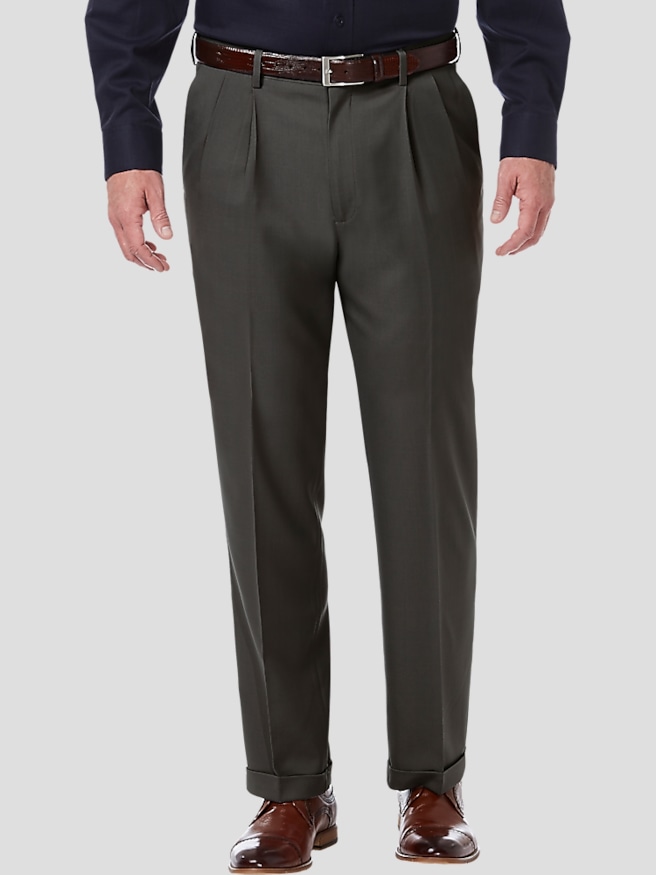
Men’s tailored shorts bring the clean lines of trousers to a shorter silhouette, creating a polished option for occasions that call for something more considered than athletic shorts. Their defining features are a structured waistband, a controlled shape through the seat and thigh, and a neatly finished hem. Tailored describes the overall cut and appearance; it does not necessarily mean the shorts are custom-made or especially slim. Flat-front styles create a smooth, understated profile, while pleated fronts add dimension and can provide extra room through the upper leg. Side pockets set into the front at an angle and discreet back pockets help maintain that streamlined appearance without the bulk of cargo compartments. Fabric makes a substantial difference in how the shape holds throughout the day. Cotton twill has a diagonal weave, a familiar hand feel, and enough body to support crisp edges, making it a practical foundation for repeated casual wear. Cotton blended with a small amount of stretch can offer greater flexibility when sitting, climbing stairs, or getting into a car, although the amount of give depends on the fabric’s construction. Linen blends introduce visible texture and a more relaxed drape; some creasing is part of their character rather than a sign of poor fit. Lightweight wool fabrics can produce a smoother, more fluid line, with care needs that differ from many cotton options. None of these materials automatically makes a pair more appropriate for every setting. A firm twill can look neatly structured with a simple polo, while a softer woven fabric may suit an unstructured jacket and an open-collar shirt. Across these variations, the appeal of tailored shorts remains consistent: a defined waist, balanced proportions, and enough ease to move comfortably without losing a finished appearance. They occupy a useful place between everyday casual shorts and full-length chinos, particularly for men who prefer understated clothing with thoughtful details.
Fit is what gives men’s tailored shorts their distinctive shape, and the best proportions depend on height, build, and personal preference rather than a single inseam measurement. A 7- to 9-inch inseam is a common starting point, often placing the hem above or near the knee, but the same length can sit differently on two people. The rise also changes where the waistband rests and how the shorts hang through the seat. A comfortable waistband should stay in position without requiring a tightly cinched belt, and the front closure should lie flat rather than pull into visible horizontal lines. Through the thighs, a tailored cut follows the body without gripping it. Someone with a fuller seat or muscular legs may find a straight or gently tapered shape more comfortable than a narrow cut, even when both have the same labeled waist size. Pleats should generally fall closed while standing, and side pockets should not flare outward before anything has been placed inside them. Sitting down provides another useful indication of fit: the waistband should remain comfortable, the rise should not bind, and the leg openings should allow natural movement. These details matter whether the shorts are worn for a restaurant lunch, a museum visit, or a gathering with friends. For styling, a knit polo echoes the shorts’ structure without making the outfit feel stiff, while a tucked-in button-down puts the waistband and front details on display. An untucked shirt works best when its hem leaves enough of the shorts visible to preserve balanced proportions. Low-profile leather sneakers keep the result casual; loafers add a more finished touch. A simple belt can connect the colors of the outfit without becoming its focal point. For a broader range of casual silhouettes intended for seasonal wear, Men's Summer Shorts offers a related category to explore. Tailored shorts still belong to casual dressing, so full-length trousers remain the more appropriate choice wherever a business, ceremony, or venue requires them.
The details that make tailored shorts satisfying to wear also influence how well they hold up over time. Even stitching, secure pocket openings, a smoothly operating zipper, and a firmly attached waistband closure are useful signs of careful construction. Reinforcement at stress points can help areas such as pocket corners withstand repeated use, although fabric weight, laundering, and frequency of wear all affect longevity. A dense cotton twill may tolerate everyday friction well, while a finer fabric can need gentler handling to preserve its surface. Stretch adds comfort, but it should not substitute for enough room through the seat and thighs; constant strain can distort seams and place unnecessary pressure on the fabric. Keeping a bulky phone or overfilled wallet out of shallow pockets also helps preserve the intended line. Care should follow the garment label rather than a rule applied to every pair of shorts. Some cotton and blended fabrics can be machine washed, while certain wool fabrics or structured constructions may require professional cleaning. When machine washing is permitted, a gentle cycle and an appropriate water temperature can help limit unnecessary wear. High dryer heat can contribute to shrinkage and may affect stretch fibers, so the recommended drying method deserves the same attention as washing. Promptly removing shorts from the dryer, or smoothing them into shape for air drying when directed, helps prevent deep-set wrinkles. Pressing requirements vary, too: cotton may benefit from a crisp finish, while textured linen blends often look natural with a softer appearance. An iron should always be set for the fabric, with a pressing cloth when needed to protect the surface. Between wears, hanging shorts neatly or folding them along their existing lines helps maintain their shape. For travel, neutral shades such as navy, gray, stone, and khaki can simplify combinations with shirts and footwear, making tailored shorts a practical part of a compact casual wardrobe. They can also be a thoughtful gift for someone who already favors chinos, polos, and clean-lined separates, especially when waist size, preferred rise, and usual inseam are known. The lasting value lies in comfortable proportions, suitable fabric, and a finish that feels considered without demanding an elaborate outfit.