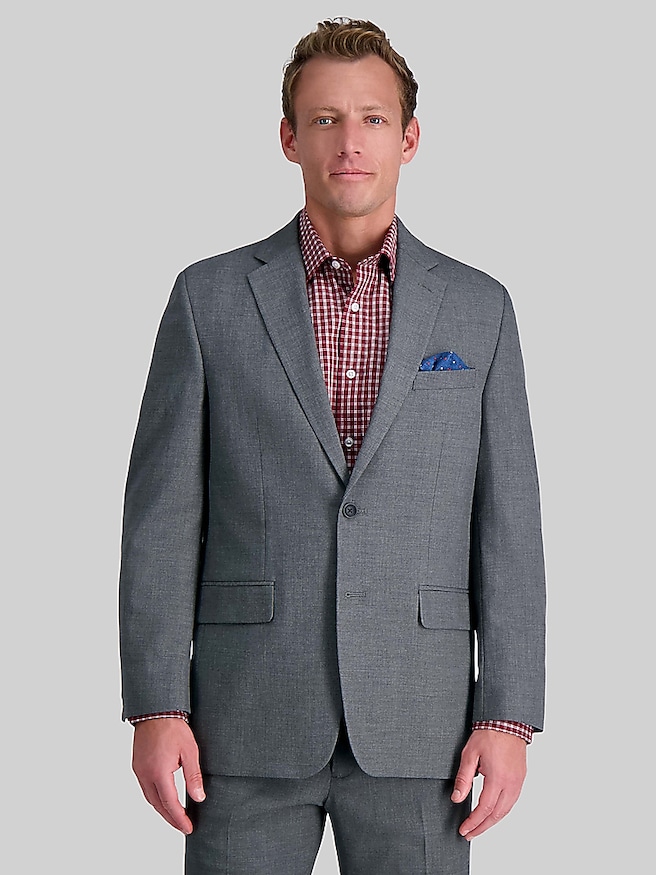
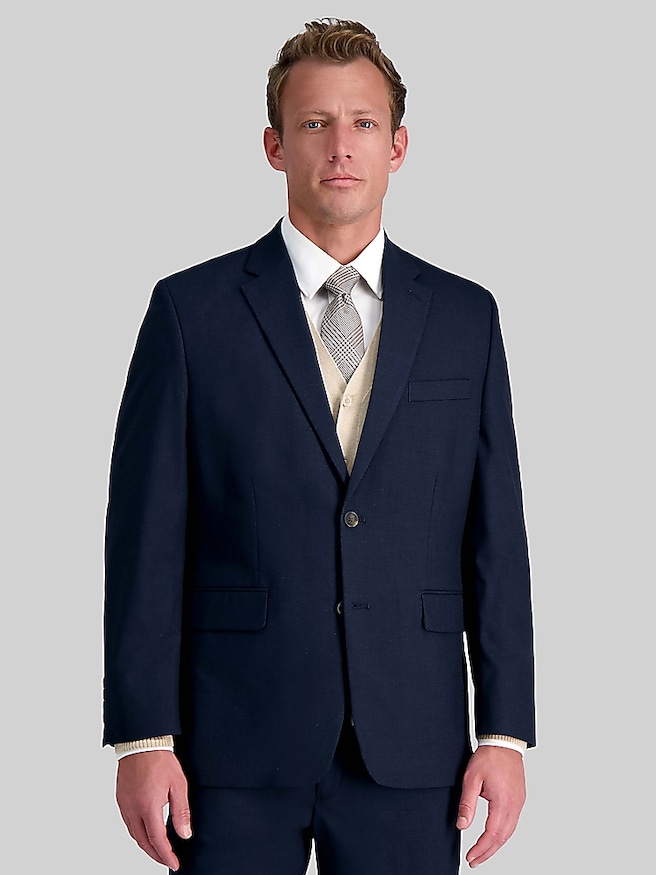
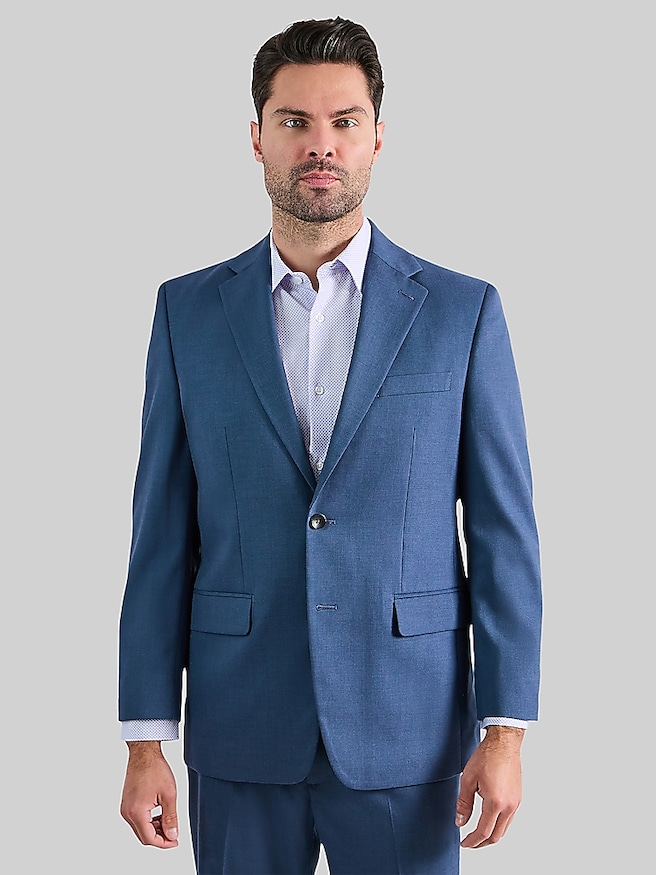
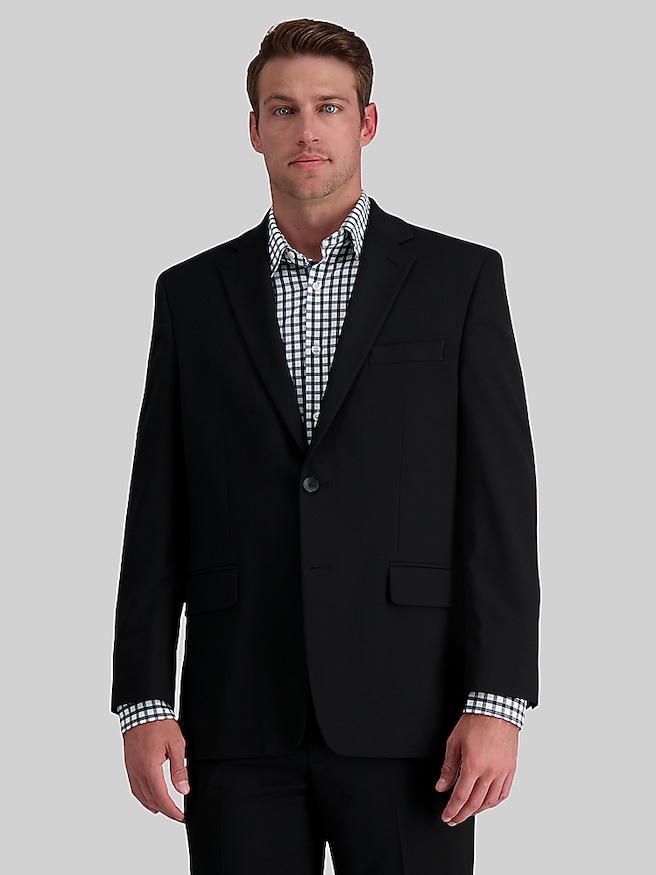
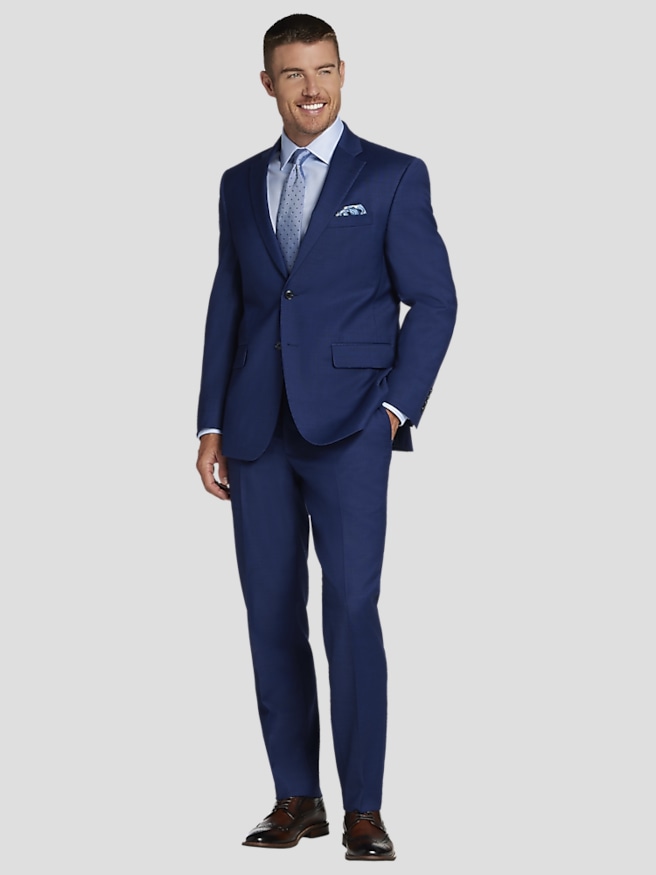
Men’s tailored jackets bring structure and polish to a wide range of wardrobes, from everyday business attire to special-event dressing and refined weekend looks. A tailored jacket may take the form of a blazer, sport coat, or suit jacket, with each style offering a distinct balance of formality, texture, and versatility. Blazers often work well with dress trousers, chinos, dark denim, or tailored pants, making them useful for office settings, dinners, celebrations, and occasions that call for a finished appearance without the formality of a complete suit. Sport coats can introduce more visual character through subtle patterns, textured weaves, or seasonal fabrics, while suit jackets are designed to coordinate with matching trousers for a cohesive, formal silhouette. As cooler weather arrives, fabrics such as wool, cotton, corduroy, tweed, and fabric blends add warmth and dimension to outfits, while lighter-weight options remain practical for indoor gatherings and transitional days. A well-chosen jacket can become the layer that pulls an entire outfit together: imagine a deep navy jacket over a crisp shirt and gray trousers for a professional presentation, or a textured earth-tone style paired with a knit shirt and dark pants for dinner with friends. Color matters just as much as construction. Navy, charcoal, gray, brown, and subtle patterns tend to complement a broad selection of shirts, trousers, shoes, and accessories, while richer seasonal shades can add personality without making an outfit difficult to coordinate. Men building a first tailored wardrobe often benefit from starting with a versatile neutral jacket, then adding texture, pattern, or a less traditional color once the essential combinations are covered. Those shopping for a thoughtful gift may also find a tailored jacket especially useful for a recent graduate, a professional beginning a new role, a partner preparing for frequent events, or a family member who appreciates clothing that can be worn in more than one setting. To explore additional polished outfit ideas, visit Stylish Mens Suit Jackets.
Fit is the foundation of a tailored jacket, and the shoulders deserve the closest attention. The shoulder seam should rest near the natural edge of the shoulder rather than extending noticeably beyond it or pulling inward. When the shoulder line is correct, the jacket tends to hang smoothly through the chest and upper back, creating a clean frame without requiring excessive adjustment. The collar should sit close to the neck, and the lapels should lie flat when the jacket is buttoned. Across the chest and midsection, the fabric should allow comfortable movement without creating strained lines around the button or pockets. A slim fit typically follows the body more closely and creates a streamlined profile, while a tailored fit offers a balanced shape with room for natural movement. A classic fit generally provides a more relaxed silhouette and can be a comfortable choice for extended wear, layering, or a traditional presentation. Jacket length also affects proportion. A style that reaches around the seat and covers the backside evenly often creates a dependable, balanced appearance, while shorter proportions may look more contemporary on some frames. Sleeve length is best considered with the shirt that will be worn underneath; a small glimpse of shirt cuff can add intentional detail without overwhelming the look. Trying on a jacket while standing, sitting, reaching forward, and buttoning it can reveal fit concerns that are easy to miss in front of a mirror. Picture the practical test of reaching for a steering wheel, lifting a glass at a reception, or slipping a hand into a trouser pocket: the jacket should move with you while retaining its shape. Alterations can refine sleeve length, jacket body, and trouser coordination, but shoulders are among the most difficult areas to change, making a sound shoulder fit an important starting point.
The best tailored jacket is one that suits the wearer’s routine, existing wardrobe, and preferred level of formality. Consider where the jacket will be worn most often before choosing fabric and design details. A smooth wool or wool blend can transition from presentations to evening events, while cotton, corduroy, and textured weaves offer a more relaxed impression for gatherings, creative workplaces, and cooler outdoor settings. Breathable fabrics can be useful when moving between crisp outdoor air and heated interiors, while a fuller weave may provide welcome comfort during the colder part of the season. Details such as notch or peak lapels, patch or flap pockets, two-button or three-button fronts, and single or double vents influence the overall character without changing the jacket’s essential versatility. For a cohesive wardrobe, coordinate the jacket with trousers that provide enough contrast to avoid looking like an accidental mismatched suit. A navy jacket can pair naturally with gray, khaki, or patterned trousers; a gray jacket can work with navy, black, or rich brown accents; and textured jackets often look strongest with simple shirts and understated accessories. Complete the look with a belt or suspenders that complement the shoes, then add a pocket square, tie, scarf, or knit layer according to the setting. Proper care helps preserve the jacket’s shape: use a broad, supportive hanger, allow the fabric to air after wear, brush away surface lint, and follow the care label before cleaning or pressing. With thoughtful fit, adaptable color, and practical fabric, a tailored jacket can move easily from early fall gatherings through the colder months, offering a polished layer for workdays, family celebrations, dinners, ceremonies, and the everyday moments that benefit from a little extra refinement.