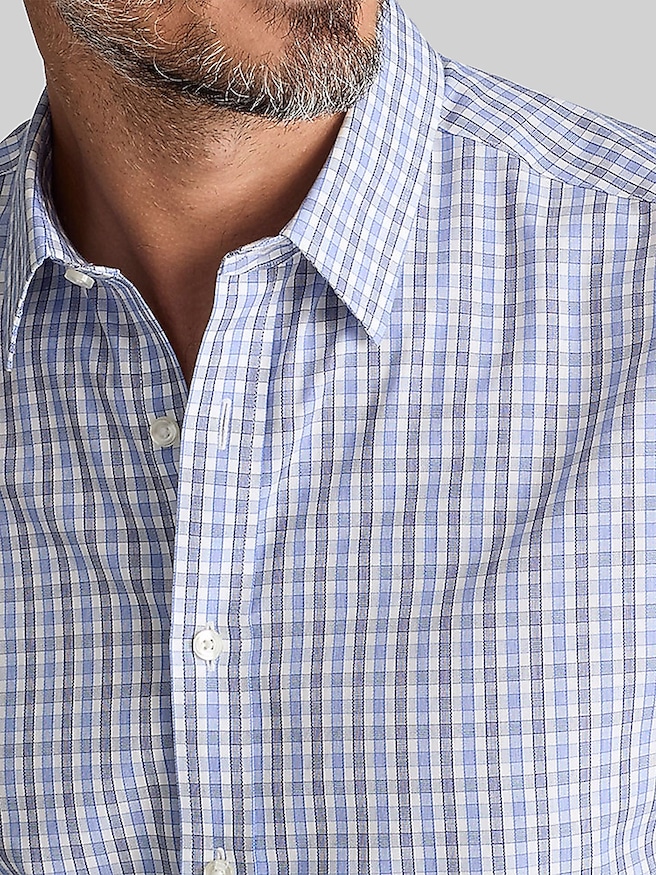
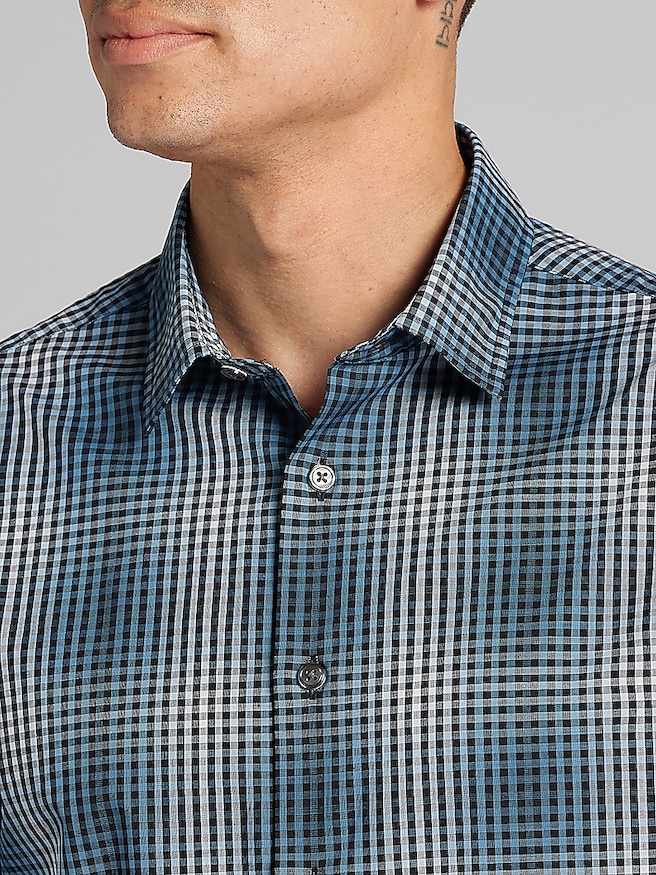
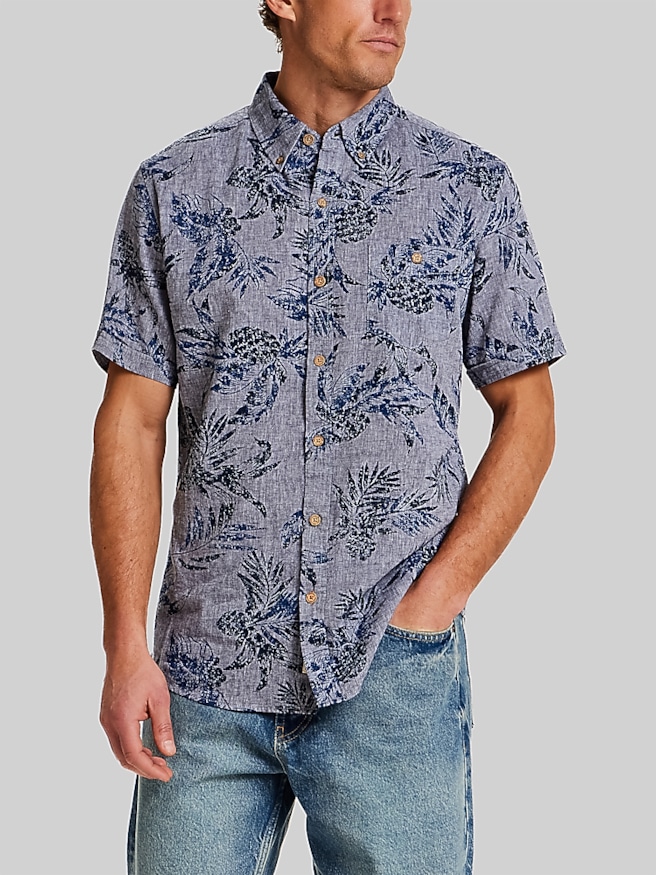
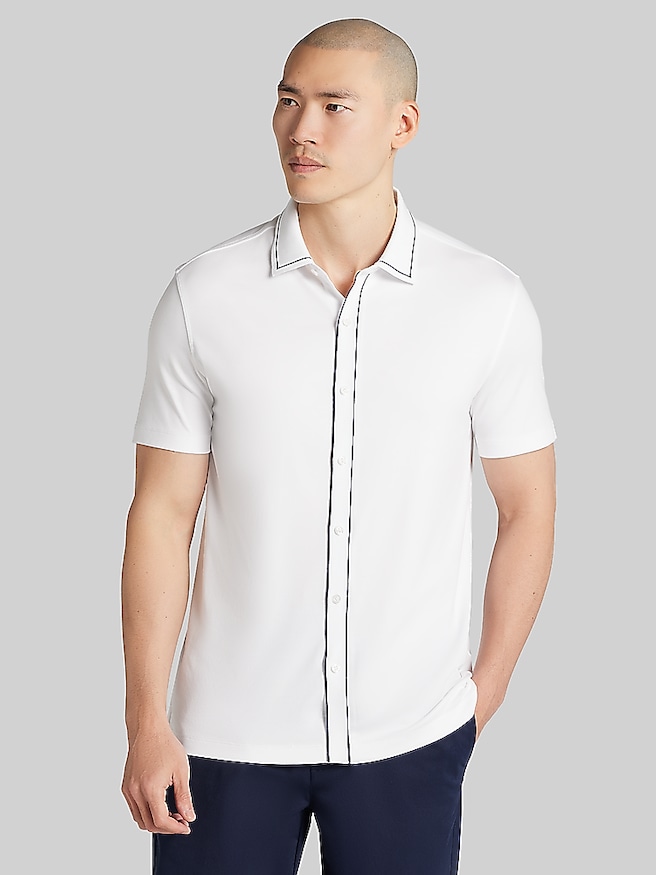
Men’s summer plaid shirts bring pattern and color to everyday dressing without the weight often associated with cold-weather flannel. Plaid describes the arrangement of crossing lines and blocks of color, not the fabric itself, so a plaid shirt can feel crisp and airy rather than thick and brushed. For warm conditions, the most useful starting points are fabric weight, weave, and room for movement. Lightweight cotton offers a familiar, soft feel for daily wear, while cotton gauze has a gently crinkled texture that keeps parts of the fabric lifted away from the skin. Linen has a dry, textured hand and allows air to circulate; linen-cotton blends combine some of that airy character with cotton’s softer touch. Fine cotton poplin provides a smoother surface and a neater appearance, making it a practical choice when the day includes both a casual office and dinner outside. Performance blends can add stretch or moisture management, but those qualities depend on the fiber blend and finish rather than the plaid pattern or weave alone. A breathable shirt should feel light enough for a shaded patio lunch yet substantial enough to hang cleanly across the chest. Pale blue, washed green, cream, and muted coral give plaid a softer look, while navy, burgundy, and charcoal ground the pattern and transition easily into layered outfits during the cooler months. Small checks tend to read as quieter from a distance; broad plaids create a more noticeable contrast. Neither requires a complicated outfit. Solid chinos, clean denim, or tailored shorts give the pattern space without competing with it. Within the broader range of Men's Summer Shirts, plaid offers a useful middle ground between a plain button-up and a bolder printed shirt: expressive enough to add interest, familiar enough for regular wear. Its appeal is especially clear on days that move between settings, from an outdoor breakfast to an indoor gathering where a collar feels more appropriate than a T-shirt.
Fit makes a lightweight plaid shirt comfortable in practice, not just on the hanger. The shoulder seams should sit close to the shoulder points, and the front should lie smoothly when buttoned, without pulling across the chest or opening between buttons. Sitting down, reaching forward, and bending the elbows reveal more about everyday comfort than standing still in front of a mirror. A trim fit can create a clean outline under a lightweight jacket, provided there is enough room through the back and upper arms. A classic or relaxed fit leaves more space for airflow and works well worn on its own or open over a simple crewneck. Extra width is not automatically cooler, however; excess fabric can bunch at the waist or feel cumbersome beneath another layer. Sleeve length also changes how the shirt wears. Short sleeves keep the forearms uncovered and suit casual meals, travel days, and backyard gatherings. A comfortable sleeve opening should allow movement without gripping the upper arm. Long sleeves offer more styling flexibility when an afternoon outdoors turns into an evening in air conditioning, and a loose roll below the elbow can keep the look easygoing. Lightweight fabric alone should not be assumed to provide substantial sun protection; a stated UPF rating is the relevant detail when that feature matters. Hem shape helps determine whether a shirt looks better tucked or untucked. Shorter, straighter hems generally work well untucked, while longer curved tails are usually easier to keep secured inside trousers. For a casual workplace, a small-scale plaid tucked into flat-front chinos can look composed without feeling formal. For a weekend drive or a stop at a neighborhood café, an untucked shirt with dark denim and understated sneakers feels more relaxed. A softly structured collar reinforces that casual character, while a collar with more shape lends definition beneath a jacket. Keeping the surrounding colors simple lets the plaid do the visual work, especially when the pattern combines several shades.
Care and construction matter as much as the first impression, particularly for shirts that rotate through frequent washing and wear. The care label should guide washing temperature, drying method, and ironing because cotton, linen, and blended fabrics do not all respond the same way. Many washable lightweight shirts benefit from gentle laundering with similar colors and avoiding excessive dryer heat, which can contribute to shrinkage and wear. Removing a shirt promptly after drying and smoothing the collar, placket, and hem can reduce deep creases before they set. Linen naturally develops wrinkles, and a little texture is part of its relaxed appearance rather than a sign that the shirt has been neglected. Cotton gauze likewise has an intentionally uneven surface; pressing it flat may change the character of the fabric. Poplin generally looks crisper with a light press when the label permits it, while stretch and performance blends may need lower temperatures. For durability, look for secure buttons, evenly finished seams, and tidy stitching around stress points such as the armholes and side seams. Matching plaid across a pocket can create a cleaner appearance, though pattern alignment is a visual detail rather than proof of strength. Very open weaves deserve care around rough bag straps or abrasive surfaces that may catch fine yarns. A shirt that fits without strain also puts less pressure on its buttons and seams during repeated movement. These practical details make summer-weight plaid useful beyond a single season: it can sit beneath a cardigan indoors, layer under a casual jacket during the cooler months, or travel to a warmer destination without taking up much luggage space. As a gift, a plaid shirt is most personal when its colors and fit reflect what the recipient already enjoys wearing. A father who favors quiet neutrals may appreciate a restrained check, while a brother or partner who regularly wears color may prefer a larger, brighter pattern. Familiar sizing, an appropriate sleeve length, and manageable care requirements help turn a thoughtful choice into something that becomes part of an everyday routine.