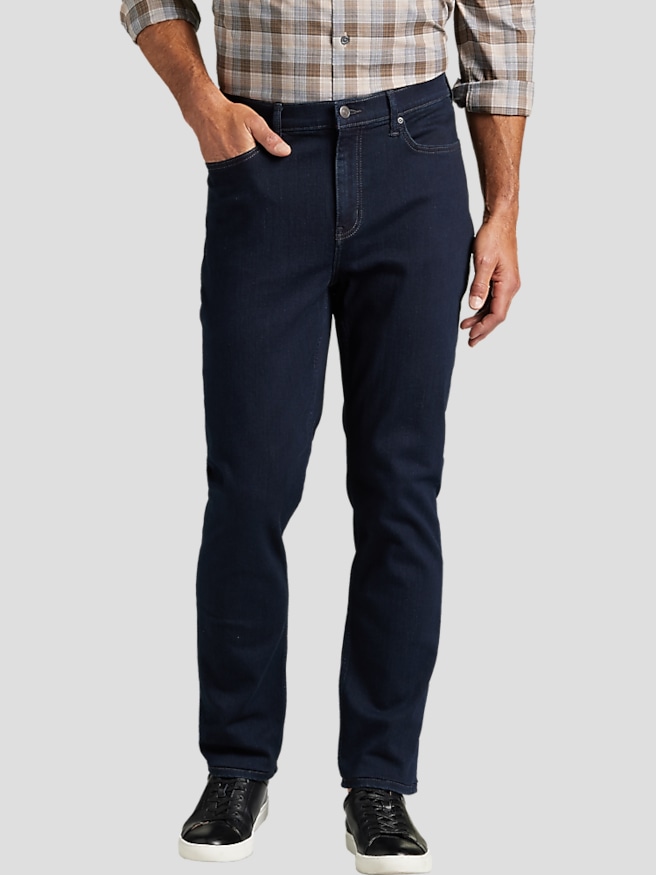
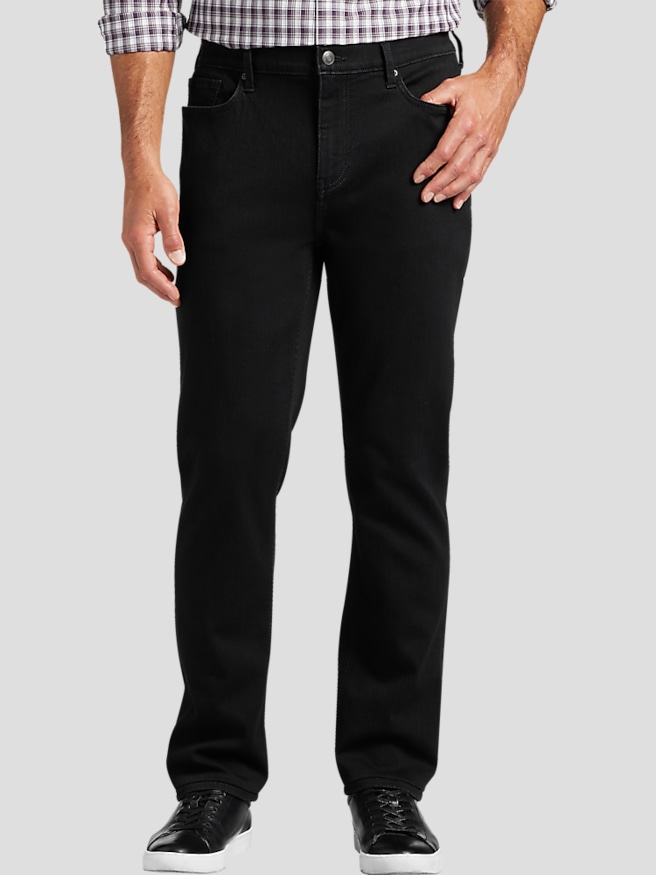
Men’s summer jeans bring the familiar look and everyday usefulness of denim to warm-weather dressing, with lighter fabrics and comfortable fits making the biggest difference. Lightweight denim, often around 8 to 11 ounces per square yard, generally feels less substantial than traditional midweight or heavyweight denim, making it a practical starting point for summer wear. Fabric weight is only part of the picture, though: fiber content, weave density, stretch, and the amount of room around the legs also affect comfort. Cotton denim absorbs moisture and has a familiar, textured feel, while a less densely woven construction can allow more air to move through the fabric. Blends containing linen may have a slightly irregular texture and a crisp hand, while lyocell can give denim a softer feel and more fluid drape. A small amount of elastane can make sitting, bending, and walking easier, although stretch alone does not make jeans breathable or moisture-wicking. Those qualities depend on the full fabric construction, not simply the percentage of a particular fiber. Light blue, faded indigo, gray, and ecru washes suit the relaxed character of summer outfits; darker indigo remains useful when a cleaner, more understated look is the goal. Color can influence how fabric feels in direct sunlight, but a pale wash is not a substitute for lighter material and a comfortable cut. The best summer denim feels substantial enough for everyday use without the heavy, stiff sensation associated with some traditional jeans. For a backyard cookout, an afternoon browsing neighborhood shops, or a casual dinner after a day of sightseeing, that balance helps jeans remain an easy part of the outfit. Smooth pocket linings, manageable seams, and a waistband that sits comfortably against the body matter, too, especially when the day involves several hours on foot or a long stretch in a car. These small construction details can be just as noticeable as the fabric itself once jeans are worn beyond a quick fitting.
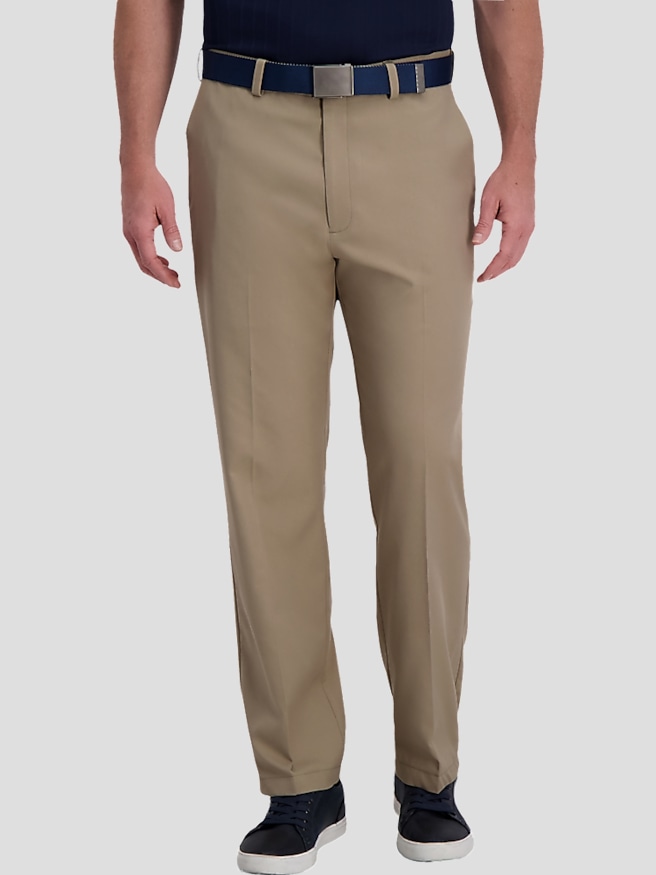
Fit gives men’s summer jeans much of their versatility. A straight leg leaves room through the calf and creates a clean line over sneakers or casual leather shoes, while a relaxed fit provides more space through the seat and thighs. A tapered cut can offer thigh room with a narrower opening at the ankle, making it useful for someone who prefers a neater outline without a close fit along the entire leg. Slim jeans can also work for summer, provided the fabric and sizing allow comfortable movement rather than pulling across the lap or gripping behind the knees. Body shape and personal preference matter more than the fit name alone, since two cuts with similar labels can sit quite differently. A well-fitting waistband stays in place without requiring an overly tight belt, and the rise should feel comfortable while seated as well as standing. Enough room to take a full stride makes a difference during airport walks, outdoor gatherings, and afternoons spent exploring a new neighborhood. Length changes the overall impression: a hem with little or no break looks tidy with low-profile footwear, while excessive fabric gathering at the ankle can make lightweight denim appear heavier. A small cuff can expose the ankle, but a thick stack of rolled fabric adds bulk. For everyday combinations, a breathable cotton T-shirt and simple sneakers keep the look relaxed, while a knit polo or an untucked linen shirt brings more texture without making the outfit feel formal. Darker, minimally distressed denim can suit an office that permits jeans, especially with a casual button-down shirt and loafers. A lightweight sport coat can sharpen the same combination for dinner, though jeans remain a casual choice rather than a substitute for attire required by a formal dress code. When an occasion calls for a lighter drape or a more tailored finish than denim provides, Summer Men's Trousers offers a related direction for warm-weather outfits. Both approaches can feel relaxed and intentional; the setting and expected level of dress help determine which belongs in the outfit.
Durability and care are especially important with lightweight jeans because comfort should not come at the expense of dependable everyday wear. A lighter fabric is not automatically fragile, but it may respond differently to repeated abrasion than dense, heavyweight denim. Consistent stitching, secure belt loops, reinforced pocket corners, and a smoothly operating closure are useful signs of thoughtful construction. Areas such as the inner thighs, pocket edges, and hems experience regular friction, so a fit that allows movement without constant tension can help reduce strain on the fabric and seams. Jeans worn for commuting and casual outings face different demands from denim used for hands-on work; a soft, lightweight pair suited to a patio lunch may not be the right choice for tasks involving rough surfaces or heavy abrasion. Care should follow the garment label, particularly when denim includes stretch fibers, linen, lyocell, or a special finish. When machine washing is permitted, turning jeans inside out and using cool water with a mild detergent can help limit unnecessary fading and surface wear. Washing with similar colors is sensible, especially for deeper indigo shades that may release dye. Excessive dryer heat can affect fit and stretch recovery, so air drying or a lower-heat setting may be appropriate when the care instructions allow it. Reshaping the legs and smoothing the seams before drying can make the next wear easier, while treating a small spill promptly may prevent the need for an immediate full wash. Summer jeans also make a practical gift for a dad, partner, brother, or graduate who enjoys denim but prefers a lighter feel for travel and casual plans. Waist size, inseam, preferred rise, and a familiar fit are more useful clues than guessing from appearance alone. A comfortable pair can move from a road-trip breakfast stop to an outdoor concert or an informal evening gathering, offering the recognizable character of denim in a fabric and shape better suited to summer use.