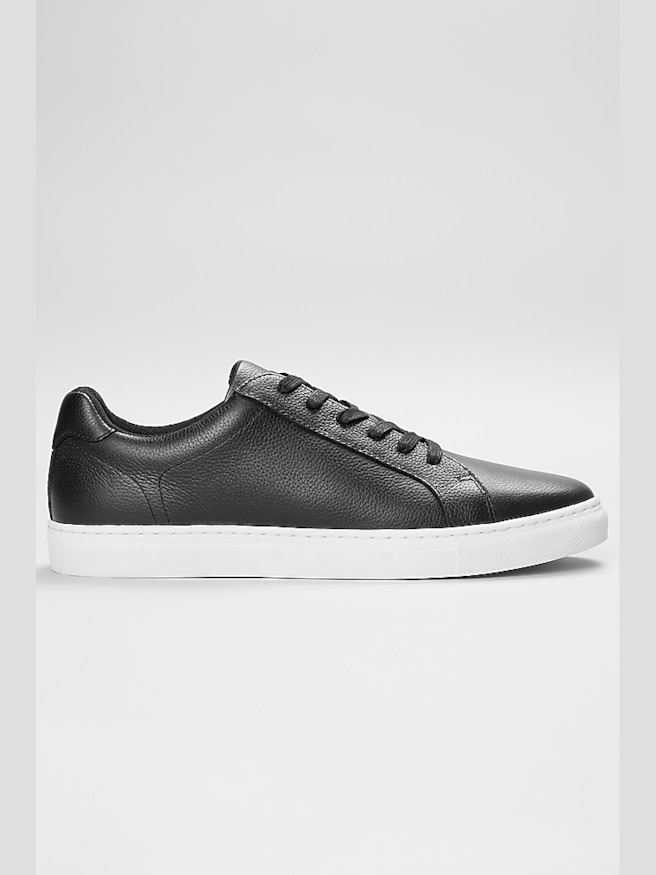
Men’s summer business casual shoes bring together office-ready shape, manageable weight, and materials suited to warm-weather wear. They sit between formal dress shoes and relaxed weekend footwear, complementing chinos, lightweight wool trousers, and tailored cotton pants without making an outfit feel overly dressed up. A smooth leather loafer under navy trousers can look at home across a conference table, while a suede slip-on with stone-colored chinos creates a softer finish for a creative office or a lunch meeting outdoors. Penny loafers, understated Venetian slip-ons, plain-toe derbies, and streamlined knit lace-ups all fit within this category, though the right level of formality depends on the workplace. Loafers keep the profile simple and uncluttered; derbies add adjustable lacing and a more traditional business appearance. Knit dress-casual shoes introduce a sportier texture that works best where the dress code allows it. In offices that welcome sneakers, a restrained silhouette with minimal detailing generally pairs more easily with tailored clothing than a bulky athletic shape. Color also influences how polished the overall outfit looks. Dark brown provides a grounded finish with navy, gray, olive, and beige, while tan and sand tones create a lighter contrast against summer fabrics. Black can work particularly well with charcoal trousers and a crisp, minimal outfit. Subtle stitching, balanced proportions, and a neat toe shape often matter more than decorative flourishes. A moderately rounded or softly tapered toe is easy to wear with straight and slim trouser legs, and a hem with little excess fabric keeps the shoe visible without bunching at the ankle. For broader context beyond seasonal dressing, Best Men's Business Casual Shoes connects this warm-weather category with everyday office footwear. Summer-focused styles still need to look appropriate indoors, where a client presentation, an afternoon at a desk, and an informal team gathering may all be part of the same day.
Materials and construction shape how summer business casual footwear feels through those everyday transitions. Smooth leather offers a clean surface that can be conditioned and polished, making it a practical choice when appearance needs to stay consistent through repeated wear. Suede has a softer, matte texture that complements linen blends and cotton twill, although it needs more attention around moisture and stains. An unlined or partially lined upper may feel more flexible and less substantial around the foot than a heavily structured design, but breathability depends on the complete construction, including the lining and footbed. Woven leather and perforated uppers can allow additional airflow where openings extend through the shoe; decorative perforations alone do not guarantee ventilation. Knit and mesh panels may also improve airflow, while their more casual appearance deserves consideration in traditional offices. Underfoot, lightweight foam can reduce heft, and rubber contact areas may provide useful traction and wear resistance. Neither softness nor low weight tells the whole comfort story: a stable heel, an appropriate flex point, and enough room across the forefoot are equally important. On a commute that includes several blocks of walking, a shoe that bends naturally near the ball of the foot can feel easier to move in than one that resists every step. Fit should feel secure without squeezing the toes or pressing across the instep. Lace-ups allow small adjustments as feet expand throughout the day, while loafers depend more closely on the match between the shoe’s shape and the foot. Persistent heel slipping or pinching is not something to overlook simply because the length seems right. Trying shoes with the socks intended for work helps establish a more realistic fit. Lightweight dress socks create a continuous line under trousers, while no-show socks can provide a lower-profile look where exposed ankles suit the office. Either approach should leave adequate room inside the shoe rather than crowding the foot.
The most useful summer business casual shoes support the way a workday actually unfolds, whether that means standing beside a presentation screen, walking between office buildings, or heading directly to dinner after the last meeting. Someone who spends much of the day on hard floors may place more emphasis on cushioning and a secure heel, while a mostly seated schedule may allow greater flexibility in sole construction. Business travel adds another consideration: versatile brown or dark neutral footwear can coordinate with several outfits, reducing the need to pack a separate pair for every setting. For a graduate starting an office role or someone moving into a position with more client contact, this category can also make a thoughtful gift when size, width, and workplace expectations are already known. Long-term usefulness depends on care as much as styling. Dust and surface grit should be removed regularly so they do not accumulate around seams or rub against the upper. Smooth leather benefits from a suitable cleaner and occasional conditioning according to the maker’s directions, with polish used when the finish calls for it. Suede needs a dedicated brush and a treatment appropriate to the material rather than standard leather cream. Textile uppers should be cleaned only as directed; a knit appearance does not automatically mean a shoe is machine washable. After a humid commute or an unexpected shower, allowing footwear to dry naturally away from direct heat helps protect its shape and components. Alternating pairs gives linings and footbeds time to air out, and properly sized shoe trees can help leather footwear retain its form between wears. Durability also comes from matching the shoe to its intended use. Lightweight office shoes are not a substitute for footwear built for long outdoor excursions, and water resistance should never be assumed from appearance alone. Consistent care, balanced rotation, and a fit that stays comfortable through ordinary movement help preserve the qualities that make these shoes appealing: a composed silhouette, an easy pairing with summer tailoring, and comfort that supports the working day without looking out of place at the table.