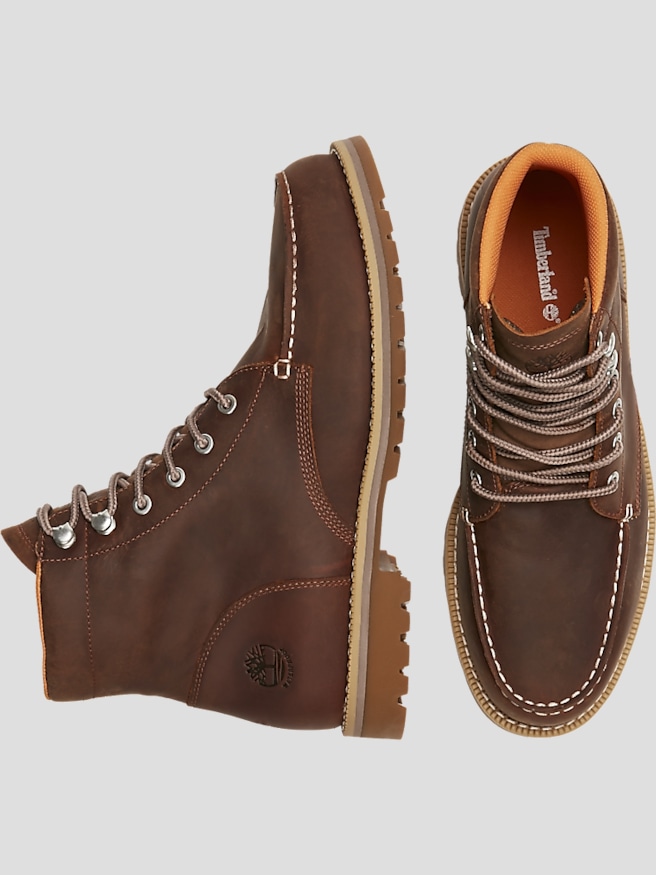
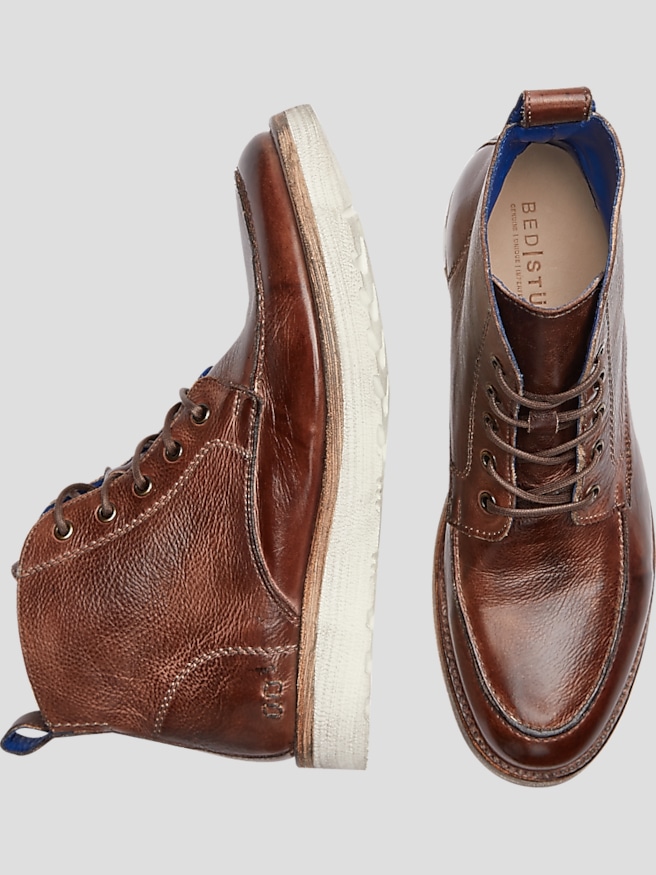
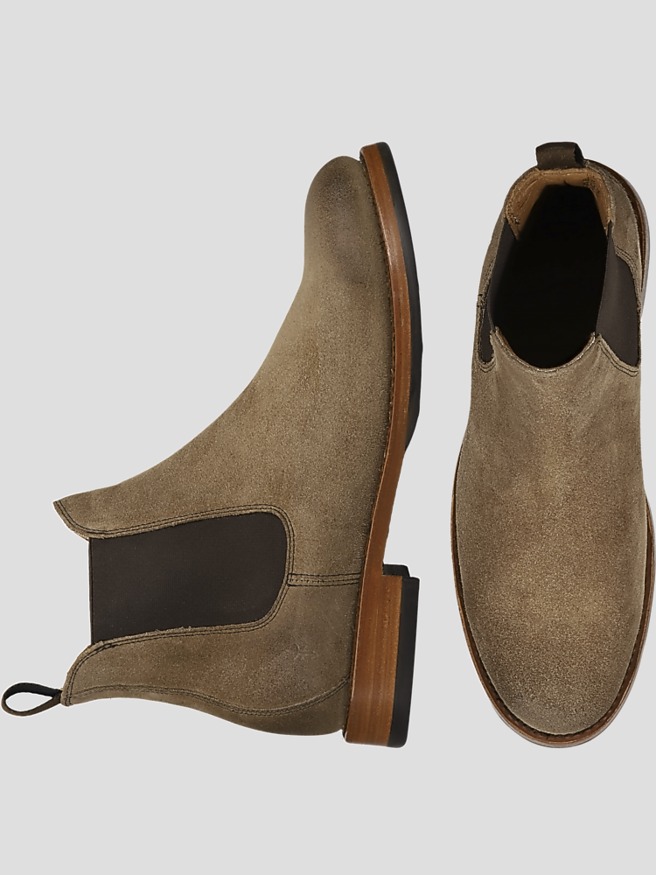
Men’s suede winter boots bring a soft, matte texture to cold-weather footwear, pairing the character of suede with the support and coverage of a boot. Their winter performance depends on more than the upper: weather-resistant construction, lining, outsole material, and fit all influence how comfortable they feel on a frosty walk or a commute across damp sidewalks. Suede is leather with a brushed nap, giving it a velvety surface that adds depth to brown, tan, gray, and black footwear. That texture looks at home beneath dark denim, corduroy, or wool trousers, making suede boots a natural choice for casual offices, dinner plans, and weekend outings. A streamlined ankle boot creates a neat line under tapered pants, while a lace-up silhouette with a substantial sole has a more rugged presence alongside straight-leg jeans and a textured sweater. Chelsea shapes offer a clean profile and easy entry; lace-up designs allow more adjustment over the instep and around the ankle. Neither shape alone determines warmth or protection from moisture. For winter use, the important distinction is between suede boots styled for the season and boots constructed to handle its conditions. Untreated suede readily absorbs moisture and can show water marks, so a soft upper should not be mistaken for a protective barrier. Water-resistant treatments help with limited exposure, while waterproof performance depends on construction that may include a waterproof membrane and sealed seams. A gusseted tongue can help limit entry of loose snow and debris around the laces, although protection still depends on the tongue’s height and the rest of the boot. These differences matter when the route includes a wet parking lot rather than a short walk from the driveway to the front door. Boots intended mainly for dry, cold days can offer an appealing balance of texture and comfort without serving the same purpose as footwear designed for prolonged snow or slush.
Warmth in suede winter boots comes from the complete design, including the lining, insulation, footbed, and space around the foot. Shearling, wool-blend linings, fleece, and synthetic insulation can provide warmth, but their presence does not establish a universal temperature rating. Activity level, exposure time, sock choice, and individual comfort all affect how a boot feels. A heavily insulated interior may suit extended time outside yet feel excessive through a full day in a heated office. For a commute followed by mostly indoor wear, a less bulky lining may be more comfortable. Fit deserves equal attention because compressed toes and tightly packed socks can undermine comfort even in a well-insulated boot. The appropriate fit leaves room to move the toes without allowing the foot to slide forward or the heel to lift excessively. Trying boots with the socks intended for everyday wear gives a more useful impression than automatically choosing a larger size. The heel should feel secure, the forefoot should not be pinched, and the upper should hold the foot without pressure across the instep. Suede may soften with wear, but a short toe box or an overly narrow sole is not something to count on breaking in. Underfoot, rubber outsoles with defined tread can improve grip on loose snow and uneven surfaces, while the rubber compound influences how flexible the sole remains in cold conditions. Deep lugs are not a guarantee against slipping on ice, and even winter-focused soles require careful footing on frozen pavement. A stable heel, a supportive footbed, and cushioning can make walks between transit stops or across a large campus more comfortable. Removable insoles can also be useful for drying the interior or accommodating compatible orthotics, provided enough room remains inside the boot. For prolonged exposure to deep snow, icy trails, or standing water, purpose-built footwear matched to those conditions is more appropriate than a dress-oriented suede ankle boot, regardless of how substantial it looks.
The appeal of men’s suede winter boots extends beyond practicality: their brushed finish offers an easy way to make everyday clothing feel more considered without becoming overly formal. Chocolate suede pairs naturally with navy trousers and an oatmeal sweater, while a lighter tobacco shade creates contrast against dark jeans. Black suede keeps the effect understated with charcoal pants and a wool coat. For an earthy palette with similar cold-weather styling possibilities, men’s brown winter boots offer a related direction to consider. Pant length makes a noticeable difference with any boot shape. A hem that meets the upper cleanly shows the silhouette without bunching, while enough room through the leg prevents fabric from catching on a taller shaft. For someone who regularly wears boots to work, on walks around town, or to casual gatherings, suede winter footwear can also be a thoughtful gift when size, preferred fit, and intended use are known. Its lasting appeal depends partly on care. A protector labeled as suitable for the particular suede finish may help resist staining and light moisture, but it will not turn an ordinary boot into waterproof footwear. Testing any treatment on a discreet area helps check for color changes before broader application. Once dry, loose dirt can be lifted with a suede brush using light pressure; vigorous scrubbing can disturb the nap. Wet boots should dry naturally away from radiators, fireplaces, and direct heat, with plain absorbent paper inside to help hold their shape and draw out moisture. Salt residue calls for a suede-compatible cleaning method rather than an aggressive household cleaner, and manufacturer care directions should take priority. Smooth-leather polish and heavy oils are generally unsuitable because they can darken suede and flatten its distinctive texture. Allowing boots to dry fully between wears, clearing debris from the tread, and storing them with adequate airflow all support their condition over time. Durable winter footwear relies on sound stitching, secure sole attachment, appropriate materials, and sensible use as much as its appearance. With construction suited to the setting and regular attention to the nap, suede boots can remain a comfortable, versatile part of a winter wardrobe.