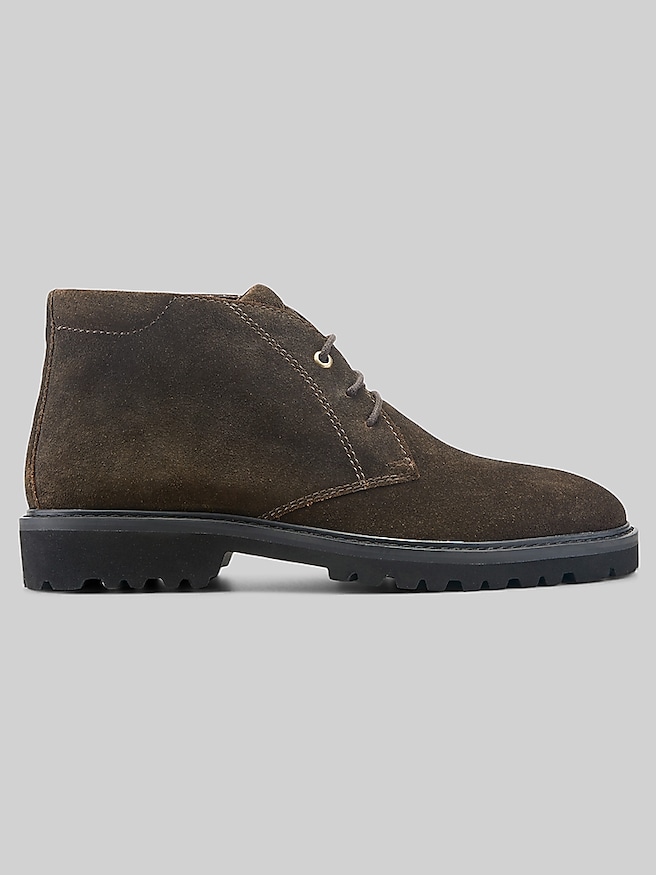
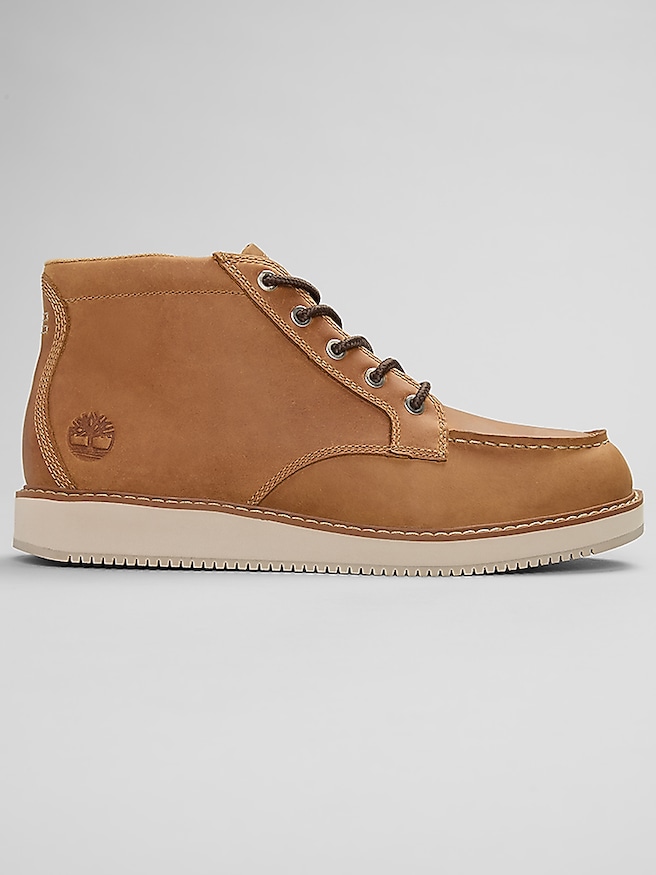
Men’s suede chukka boots are ankle-height leather boots distinguished by a soft, napped surface, open lacing, and typically two or three pairs of eyelets. Their appeal lies in the balance between a relaxed texture and a clean, uncluttered shape: less formal than polished dress shoes, yet more structured than sneakers. Suede’s brushed finish gives even a simple boot visual depth, with the color appearing slightly lighter or darker as the nap changes direction. The material can feel supple from the start, though overall comfort also depends on the lining, sole, and shape of the boot. Some chukkas have rounded toes and substantial soles that complement denim, while others use slimmer profiles and finer stitching for a dressier appearance. Desert boots are a familiar variation on the chukka, commonly associated with suede uppers and crepe soles, but not every chukka is a desert boot. That distinction matters when choosing footwear for a particular wardrobe. A softly structured pair looks natural with straight-leg jeans and an untucked Oxford shirt; a more refined silhouette can sit comfortably beneath tailored chinos and an unstructured sport coat. For a versatile color direction, brown suede chukka boots for men pair readily with navy, olive, cream, and gray. Lighter shades create a more relaxed contrast with dark trousers, while deeper brown tones blend into dressier combinations without looking overly polished. Keep the trouser hem neat enough to show the boot’s shape rather than allowing excess fabric to gather over the laces. For an office with a relaxed dress code, suede chukkas can connect tailored pants with a knit polo or button-down shirt. For dinner or a casual gathering, dark denim and a textured jacket let the footwear add interest without becoming the focal point. They work best where understated polish is welcome, rather than as a substitute for formal footwear at black-tie events or other occasions with strict dress requirements.
Fit and construction make the difference between boots that simply look right and boots that feel dependable through a full day. Start with the socks intended for regular wear, since a noticeably thicker sock can change how closely the upper wraps around the foot. When standing, the toes should have room to lie naturally without pressing against the front or sides, and the widest part of the foot should align with the widest part of the boot. The heel should feel held rather than squeezed, with no persistent rubbing as the foot moves. Walk on a clean indoor surface and pay attention to pressure across the instep, pinching near the little toe, or a crease that digs into the top of the foot. Suede may soften with wear, but break-in will not create missing length or reliably correct an unsuitable shape. Open lacing provides some adjustment over the instep, although pulling the laces excessively tight is not a replacement for a secure fit. Underfoot, sole construction influences both feel and appearance. Crepe soles often provide a soft, casual foundation, while other rubber soles can offer a firmer platform or a more defined tread. Leather soles tend to create a slimmer, dressier profile, though cushioning and grip depend on the complete design. Neither a thick sole nor a deeply patterned outsole automatically makes a chukka suitable for demanding outdoor activity; these boots are generally intended for everyday casual and smart-casual use. For frequent walking, consider flexibility through the forefoot, supportive cushioning, and whether the heel feels stable during turns. A lining can help the interior feel smooth against socks, while an unlined upper may feel more flexible and less structured. Consistent stitching, securely attached soles, and neatly finished edges are useful details to examine when considering durability. Welted construction may allow a boot to be resoled, depending on its design and condition, but repairability should be confirmed rather than assumed. A well-chosen pair should suit the wearer’s routine, whether that means moving between meetings, commuting, or spending an evening on foot.
Suede chukka boots keep their character best with regular, gentle care rather than occasional aggressive cleaning. A suede brush helps lift the nap and remove loose surface dirt; begin with light strokes and follow the care directions for the particular leather. Allow any moisture from a small spill to dry naturally before brushing, and keep boots away from radiators, hair dryers, and other direct heat sources that can stiffen leather or affect adhesives. For a fresh liquid spill, blot carefully with a clean, absorbent cloth instead of rubbing the mark deeper into the surface. A suede eraser may help with some dry marks, while oily stains and stubborn discoloration often warrant professional attention. Ordinary leather polish and heavy conditioning creams are not appropriate substitutes for suede-specific care because they can flatten the nap or alter the finish. If using a suede protector, choose one labeled for the material, follow its directions, and test it on an inconspicuous area first. Protection can reduce some staining, but it does not make suede waterproof or eliminate the need for careful handling. Between wears, let the interior air out and use properly sized shoe trees to help preserve the shape without stretching the upper. Store boots away from direct sunlight, and avoid crushing them beneath other footwear. Small habits matter: loosening the laces before taking boots off reduces strain around the opening, while using a shoehorn helps protect the heel. For someone building a more versatile wardrobe, suede chukkas can be a thoughtful gift that works across casual dinners, relaxed workplaces, and everyday plans. Footwear is personal, so knowing the recipient’s usual size, preferred width, and typical trouser styles is more useful than choosing by appearance alone. A streamlined boot suits someone who favors tailored clothing; a rounder profile may better complement denim and casual pants. The most satisfying choice balances appearance with fit, practical construction, and a care routine the wearer can maintain.