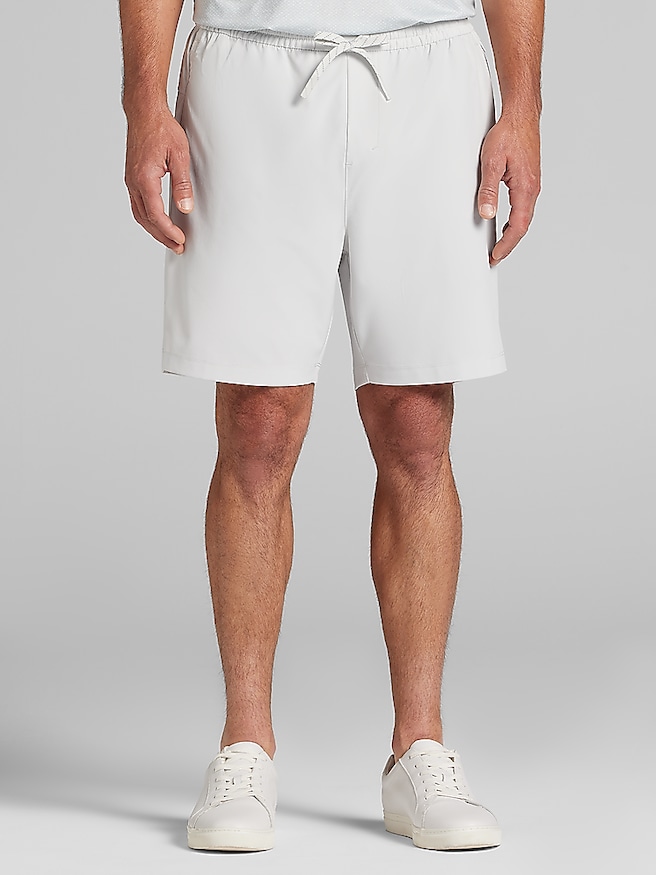
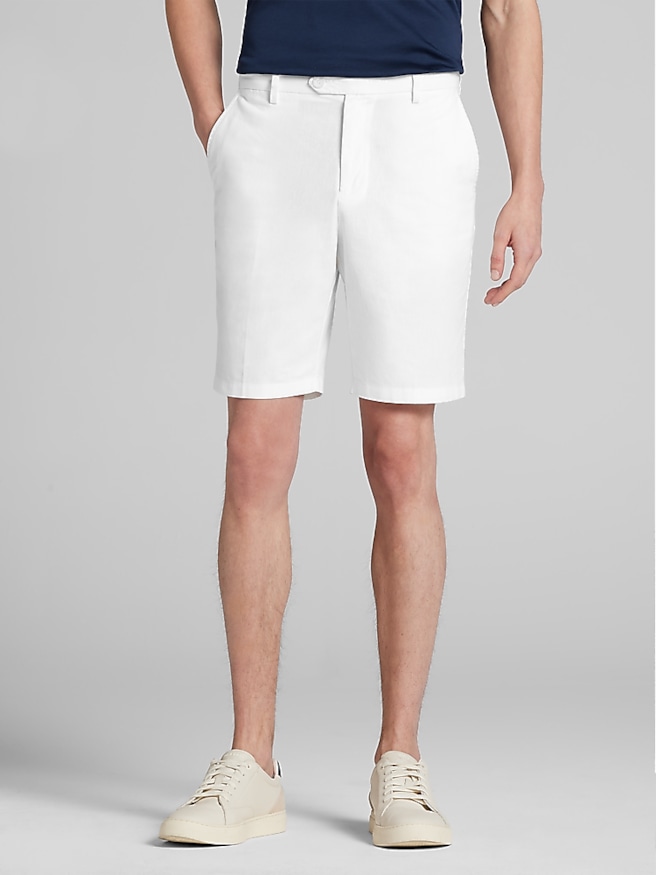
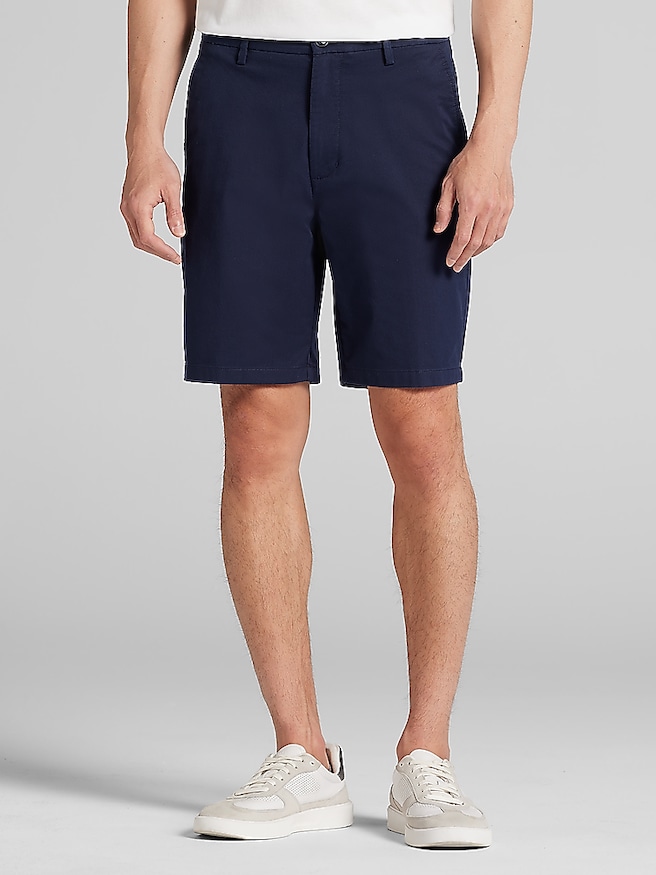
Men’s stretch shorts combine the familiar shape of casual shorts with fabric that gives as the body moves. That flexibility can make everyday moments more comfortable, from sitting through a long drive to bending down to tie a sneaker or taking a bigger stride up a flight of stairs. Stretch often comes from a small amount of elastane, also called spandex, blended with cotton, polyester, nylon, or other fibers. The blend matters as much as the stretch percentage: cotton generally contributes a soft, familiar feel, polyester can help fabric maintain its shape, and nylon is often used where abrasion resistance and a smooth finish are priorities. Fabric weight, weave, and finishing also influence breathability, texture, and how the shorts drape. Cotton-rich woven shorts tend to have the recognizable appearance of chinos, while knit constructions can feel softer and more relaxed. Neither construction automatically determines performance; the full fabric composition and garment design tell a more complete story. Two-way stretch typically allows movement along one axis, while four-way stretch allows movement across and along the fabric. Stretch recovery describes how well the material returns toward its original shape after being extended, which helps explain why flexibility alone does not guarantee that shorts will resist bagging at the seat. For daily wear, a balance of comfortable give and reliable recovery can be more useful than the greatest possible amount of stretch. Fabric with a little structure can keep pockets and hems looking neat, while a softer hand may appeal to someone who values a relaxed feel for errands, travel, or time at home. Men’s stretch shorts can suit casual, athletic, and recreation-focused wardrobes, but those uses do not make every pair interchangeable. Everyday stretch fabric is not necessarily moisture-wicking, quick-drying, water-resistant, or protective against ultraviolet exposure. Those qualities depend on the material and any documented treatments or construction features. Understanding that distinction keeps expectations grounded: stretch is primarily about freedom of movement, while other functional benefits need their own support.
Fit gives men’s stretch shorts their character, whether the goal is a clean chino silhouette or an easygoing shape with more room through the leg. A comfortable waistband sits securely without requiring the fabric to remain stretched just to fasten, and the seat should allow sitting without pulling sharply across the hips. Stretch complements an appropriate fit; it is not a substitute for enough room. A slim cut can look streamlined while still allowing movement, especially when the thigh opening is proportioned to the wearer’s build. A straight or relaxed cut provides more space through the seat and thigh and may appeal to men who prefer less contact against the leg. The rise also changes the feel, particularly while seated, because it determines where the waistband rests and how much room the shorts provide through the torso-to-leg transition. Inseam length affects both appearance and comfort. A shorter inseam generally shows more thigh, while a longer one brings the hem closer to the knee; the same measurement can look noticeably shorter or longer depending on height and leg proportions. The leg opening matters, too: a close opening produces a sharper outline, while a wider opening creates a more relaxed profile. For a chino-inspired expression of this versatility, Mens Stretch Khaki Shorts pair the familiar khaki look with the appeal of added flexibility. Neutral shades such as khaki, navy, gray, and olive work naturally with solid T-shirts, polos, and casual button-front shirts. A tucked polo and a simple belt give shorts a more finished appearance, while an untucked knit shirt and low-profile sneakers keep the combination informal. Shorts remain casual clothing, even when their fabric and detailing look tailored, so their suitability for an office, restaurant, or gathering depends on the setting’s dress expectations. Pocket design contributes to the overall effect as well. Flat pockets keep the silhouette quieter, while larger utility pockets introduce a more rugged look and additional carrying space.
Construction and care help determine how men’s stretch shorts hold up through repeated wear. Neat stitching, secure pocket attachments, and well-finished seams are useful signs of attention to the areas that take regular stress. Waistbands, pocket openings, and the seat all experience pulling during ordinary movement, so durability depends on more than fabric thickness. A heavier material can feel substantial, but a lighter fabric with sound construction may still serve everyday use well. Carrying an overfilled wallet or bulky phone can distort a pocket and affect the way shorts hang, even when the fabric has good recovery. For travel, smooth seams and a waistband that remains comfortable while seated can matter more than an especially trim standing silhouette. For walking, casual recreation, or a relaxed day with friends, room through the thigh and an unobtrusive pocket layout help clothing stay out of the way. Stretch shorts intended for exercise may use features tailored to repeated movement, whereas casual woven shorts usually place greater emphasis on an everyday appearance. Care should follow the garment’s label because blends, dyes, trims, and finishes can require distinct treatment. Excessive heat can damage elastane and shorten the useful life of stretch fabric, making the recommended washing and drying settings especially important. Turning shorts inside out can reduce surface abrasion during washing, and closing fasteners can help prevent snagging against other garments. Bleach and fabric softener are not suitable for every blend or finish; label directions take precedence over a general laundry routine. Prompt attention to marks, gentle handling, and avoiding unnecessary high-heat drying can help preserve both appearance and flexibility. These practical qualities also make stretch shorts a thoughtful gift for a father, brother, partner, or friend who regularly wears casual clothing. A familiar waist size, preferred inseam, and established fit are more dependable starting points than assuming all shorts fit alike. For men building an everyday wardrobe, the lasting appeal is straightforward: a recognizable casual silhouette, useful freedom of movement, and a comfortable fit that works beyond a single activity.