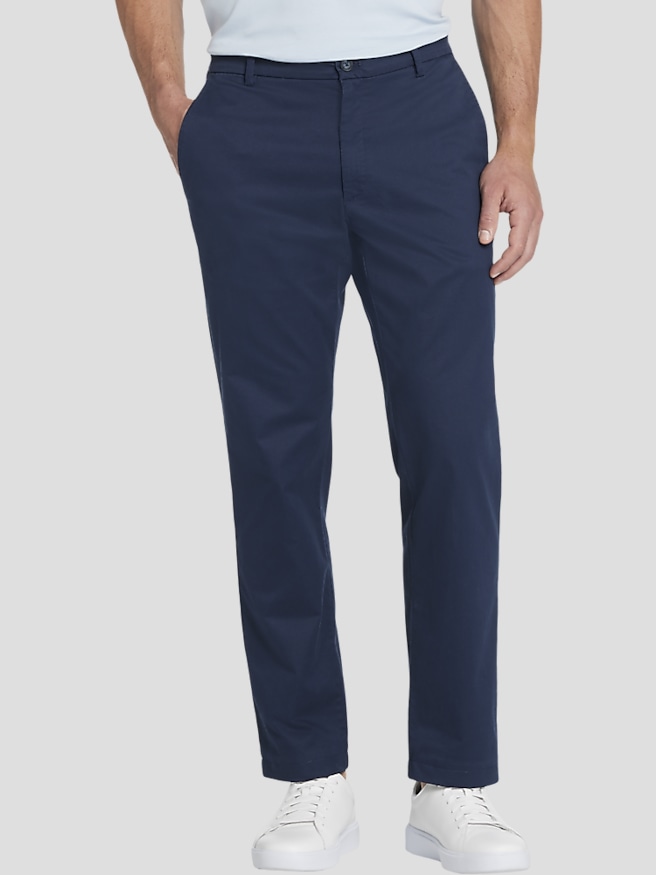
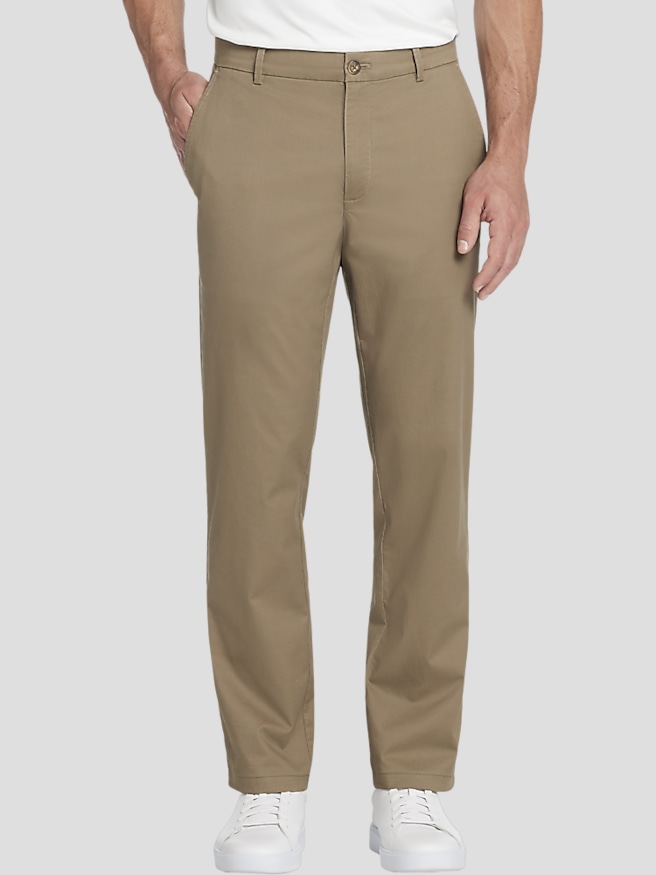
Men’s stretch corduroy pants bring a distinctive texture to everyday dressing, combining the familiar ridges of corduroy with a little flexibility for sitting, walking, and moving through a full day. The fabric’s character comes from its raised rows of cut pile, known as wales, which give the surface depth without relying on a print or pattern. Fine-wale corduroy has narrow, closely spaced ridges and a relatively understated appearance, while wider wales create a bolder texture that can make a simple outfit feel more substantial. Cotton is a common foundation for corduroy, lending softness and a familiar hand, while a small amount of elastane or another stretch fiber can add give. The exact blend, fabric weight, and construction determine how a pair feels and how well it returns to shape after movement; stretch content alone does not tell the whole story. Some fabrics feel smooth and lightly structured, while others have a fuller pile and a more pronounced drape. That variety makes stretch corduroy a useful alternative to denim or flat-front cotton trousers when an outfit needs texture rather than extra detail. A navy pair with a light blue button-down can suit a relaxed office, while an earthy brown shade works naturally with an ivory knit polo and leather shoes. Black, gray, and other muted tones can keep the ribbed surface subtle, especially when the rest of the outfit stays simple. Because the pile catches light, the same fabric may appear slightly lighter or darker depending on its direction and the angle of view. This gentle variation is part of corduroy’s appeal, giving solid colors more dimension. For dinners out, casual gatherings, or a day that moves from a desk to an evening reservation, stretch corduroy pants offer a comfortable middle ground between rugged jeans and traditional dress trousers. Their usefulness comes from that balance: enough visual interest to carry a straightforward outfit, with an easygoing character that does not require elaborate styling.
Fit shapes the overall impression of men’s stretch corduroy pants just as much as fabric does. A slim cut generally follows the leg more closely, a straight cut maintains a more consistent line, and a tapered cut narrows toward the ankle without necessarily fitting closely through the thigh. Those labels are starting points rather than guarantees, since proportions vary across cuts. The most comfortable fit leaves enough room through the seat and thighs for ordinary movement without depending on the stretch fibers to compensate for a size that is too small. When seated at a desk or behind the wheel, the waistband should feel secure rather than restrictive, and the front pockets should lie reasonably flat instead of pulling open. A higher rise may feel more settled at the waist, while a lower rise changes where the waistband rests and how a tucked shirt looks. An extended waistband, belt loops, pocket placement, and the shape of the back pockets can also influence whether the pants read as relaxed or more tailored. A clean front and restrained detailing tend to work easily with an unstructured sport coat; a more casual pocket design pairs naturally with a crewneck sweater or an untucked shirt. Length matters because corduroy’s texture can make excess fabric at the ankle more noticeable. A slight break over loafers or lace-up shoes creates a neat finish, while a carefully chosen shorter hem can work with low-profile sneakers. Any alteration should account for the shoes worn most often and the desired leg shape. Stretch adds flexibility, but it does not replace a balanced cut or an appropriate inseam. For someone who spends part of the day seated and part of it on their feet, that combination of room and shape can make a meaningful difference. Keeping the top half of the outfit relatively smooth—a cotton shirt, fine-gauge knit, or simple jacket—also allows the corduroy’s ridges to stand out without making the whole look feel busy. The result can be polished enough for a casual workplace and comfortable enough for an unhurried weekend lunch.
Long-term wear depends on both the fabric and the care it receives. Corduroy has a durable woven foundation, but its raised pile deserves attention, particularly around the knees, seat, and pocket edges where repeated contact can gradually change the surface. A comfortable fit helps avoid unnecessary strain at seams, while rotating between pairs gives clothing a chance to rest between wears. The care label remains the best reference because cotton-rich stretch corduroy and blended fabrics may have different washing and drying requirements. When machine washing is permitted, turning pants inside out and using a gentle cycle can help limit abrasion to the visible surface. Washing with similar colors and avoiding an overloaded drum can also help preserve their appearance. Excessive heat may affect stretch fibers or cause shrinkage, so drying should follow the garment’s directions rather than habit. Removing pants promptly after washing or drying can reduce stubborn creases, and keeping the legs neatly aligned on a suitable hanger helps maintain their shape. If pressing is allowed, working from the reverse side with a light touch can help avoid flattening the pile; the label’s temperature guidance still applies. These small habits support the qualities that make corduroy appealing in the first place: a soft surface, visible texture, and a shape that remains easy to wear. For a wardrobe built around smooth cotton trousers, Men's Stretch Chinos offer a useful point of comparison, while stretch corduroy brings a more tactile finish to many of the same casual outfits. Corduroy pants can also make a thoughtful gift for a father, brother, partner, or friend who already enjoys textured fabrics or wants an alternative to jeans. Knowing the recipient’s usual waist size, inseam, preferred rise, and favored leg shape makes that choice more personal. A familiar color and an easy-to-pair silhouette often have lasting value, especially for someone who favors clothing that works with shirts, knits, and shoes already in regular rotation.