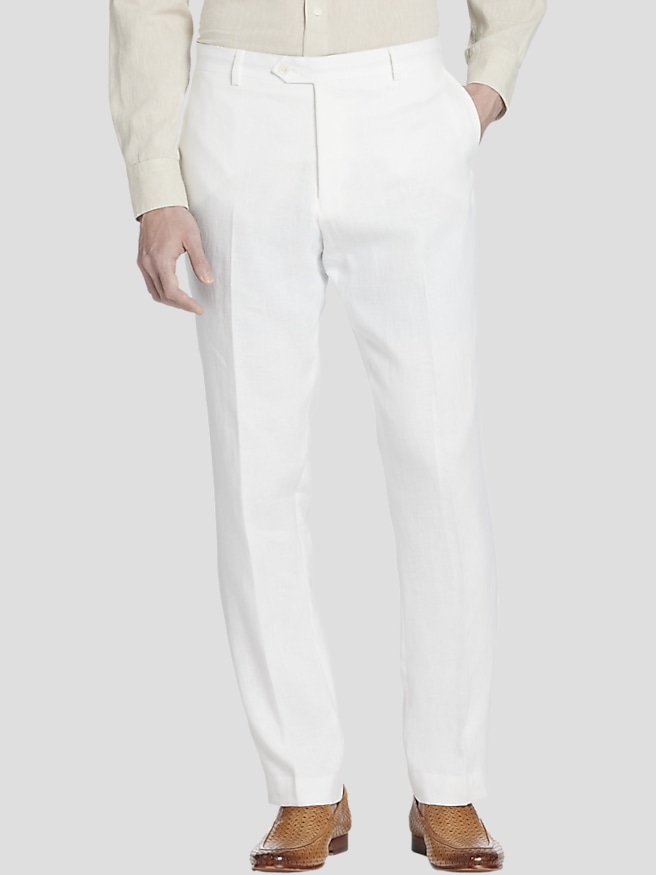
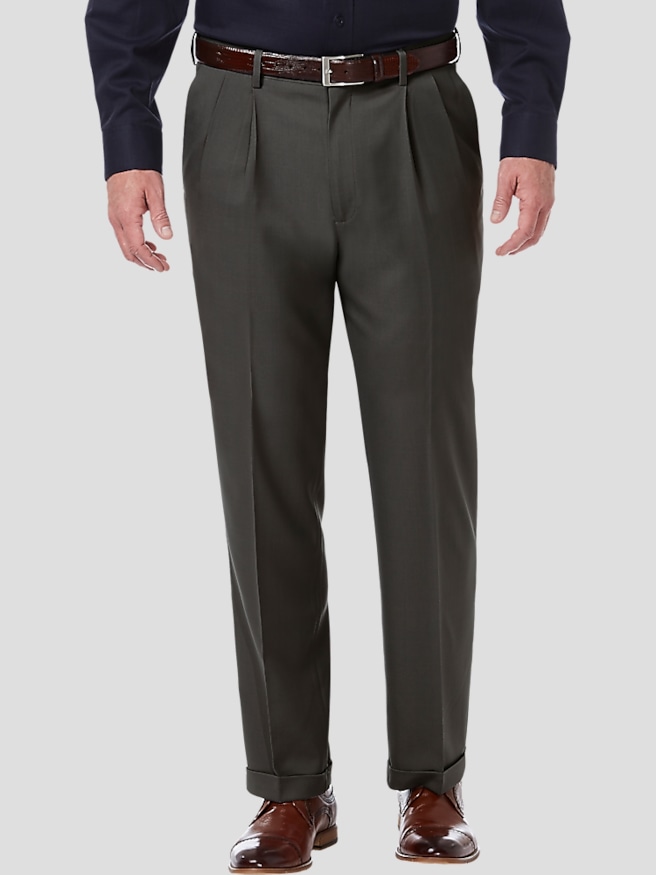
Men’s straight leg linen pants combine linen’s breathable feel with a classic silhouette that maintains a fairly consistent width from the knee to the hem. The result is a shape that feels relaxed without looking oversized, with enough structure to work alongside a button-down shirt and enough ease to suit a simple knit polo. Linen is made from flax fibers and is known for its distinctive texture, natural luster, and ability to absorb and release moisture. The exact feel depends on the fabric’s weight, weave, and finishing: some linen feels crisp and lightly textured, while other versions have a softer, more fluid drape. Those small variations give the fabric character, including subtle irregularities in the yarn that distinguish it from a perfectly smooth cloth. Pure linen emphasizes that texture and develops the gentle creases associated with the fiber. Linen blends can change the experience, depending on the accompanying material and its proportion. Cotton may create a more familiar, substantial hand, while viscose can contribute fluidity and a small amount of elastane may add stretch. A blend is not automatically softer, stronger, or easier to maintain; the full fabric composition and care label tell a more useful story than the word “blend” alone. Straight leg styling offers a balanced alternative to a closely tapered cut or an intentionally wide silhouette. It leaves a clean line over the shoe and can make a textured fabric look composed rather than bulky. That balance makes these pants suitable for restaurant dinners, gallery visits, casual celebrations, and offices with a relaxed dress code. They also work well for travel occasions that call for something more polished than athletic clothing without the formality of a suit. Their appeal comes from that middle ground: recognizable trouser styling, a tactile fabric, and a shape that allows an outfit to look considered without feeling elaborate.
A comfortable straight leg fit begins at the waist and seat, not just at the hem. The waistband should sit securely at its intended position without digging in when seated or relying on a tightly cinched belt to stay in place. Through the hips and thighs, the fabric needs enough room to fall freely; pulling across the front or pockets that flare outward can interrupt the straight silhouette. Too much extra fabric, however, can bunch beneath the seat or obscure the shape of the leg. Rise also affects how the pants feel and how they work with a tucked shirt. A higher rise places the waistband closer to the natural waist, while a lower rise sits nearer the hips, so the same labeled size can feel noticeably different across cuts. Length provides another point of distinction. A hem that just meets a loafer creates a neat, uninterrupted line, while a slight break offers a more traditional trouser finish. Excess fabric pooling around the ankle can make linen look rumpled before the day has even begun. Flat fronts generally give the waist a quieter appearance, while pleats can provide additional room and a more pronounced drape when properly fitted. Pocket depth, waistband construction, and the presence of lining also affect everyday comfort. With lighter-colored fabric, opacity deserves attention, especially around pockets and tucked-in shirttails. Styling can remain straightforward: a fine-gauge knit and loafers give the pants a refined casual character, while a cotton shirt with the sleeves neatly rolled feels less formal. For a dinner or reception with a relaxed dress code, an unstructured jacket can add definition without overwhelming linen’s texture. Fabric weight and color help the pieces relate to one another; a substantial, sharply structured jacket may look disconnected from very light trousers. Straight leg linen pants are useful for smart-casual dressing, but the invitation or workplace standard still matters. Their relaxed surface is generally better suited to informal gatherings than occasions that specifically require formal evening attire.
Linen’s creases are part of its appearance, though careful maintenance can keep them from turning into deep, set-in folds. The care label should determine whether the pants can be washed at home or need professional cleaning, because dyes, linings, waistbands, and finishing treatments can require handling that differs from the main fabric. When washing is permitted, gentle handling, an appropriate detergent, and the recommended water temperature help protect both the cloth and its shape. Avoid crowding the machine, which can leave fabric tightly compressed, and remove the pants promptly once the cycle ends. Drying instructions are especially important because excessive heat can contribute to shrinkage or affect the fit. If air-drying is recommended, smoothing the legs and supporting the waistband can reduce unnecessary twisting. For linen that permits ironing, pressing while slightly damp often makes creases easier to release; the specified heat setting and a pressing cloth help protect the surface. Steam can refresh the appearance between wears when the care instructions allow it, but it does not replace cleaning when the fabric is soiled. Durable wear depends on more than linen’s reputation as a strong natural fiber. Fabric density, seam construction, reinforcement at stress points, and an appropriate fit all contribute to how well a pair holds up. Pants that pull tightly when sitting place extra strain on seams and pockets, while hems that drag can wear prematurely. Hanging the pants neatly after wear gives the fabric space to relax and keeps avoidable folds from becoming more pronounced. For a gift, a familiar waist measurement alone may not be enough; a preferred rise, inseam, and fit through the thigh make the choice more personal and practical. Someone who regularly wears chinos but wants a more textured alternative may appreciate this silhouette, particularly for dinners, trips, and social occasions with an easygoing dress standard. The broader category of Men's Linen Trousers provides context for comparing straight leg styling with other trouser shapes. Within that category, the straight leg stands out for its balanced proportions and straightforward versatility: enough room for comfortable movement, a clean line through the lower leg, and linen’s unmistakable texture.