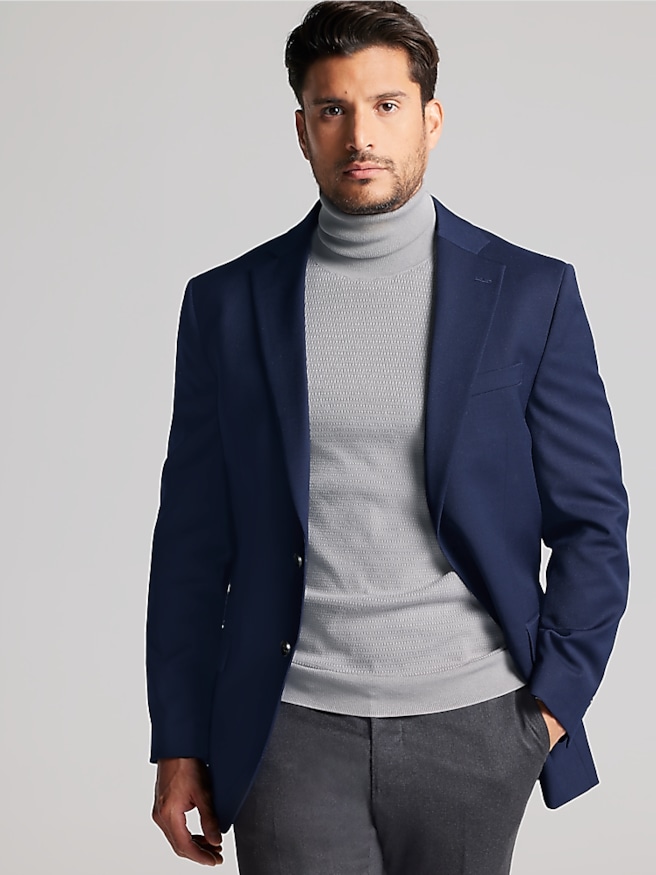
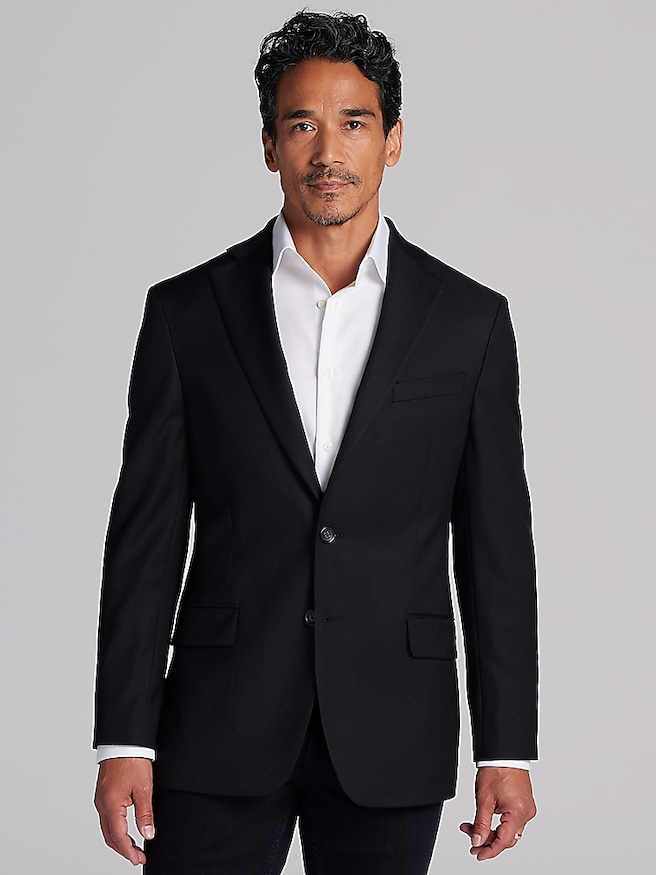
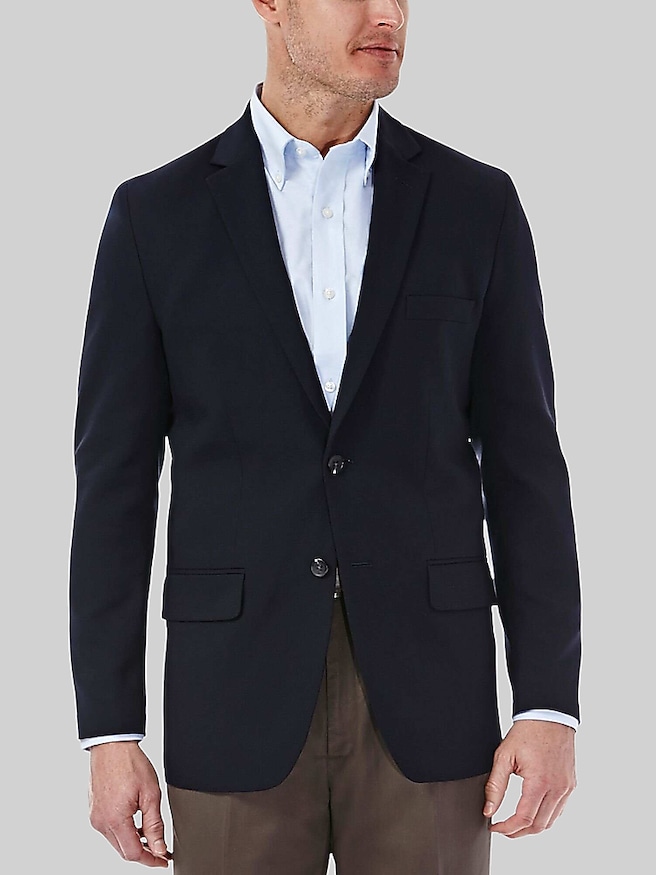
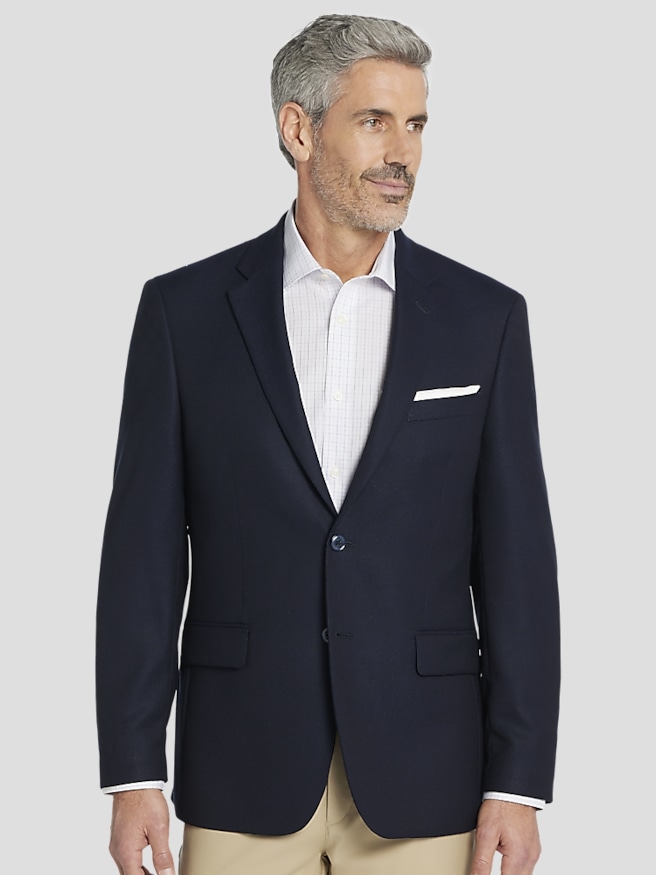
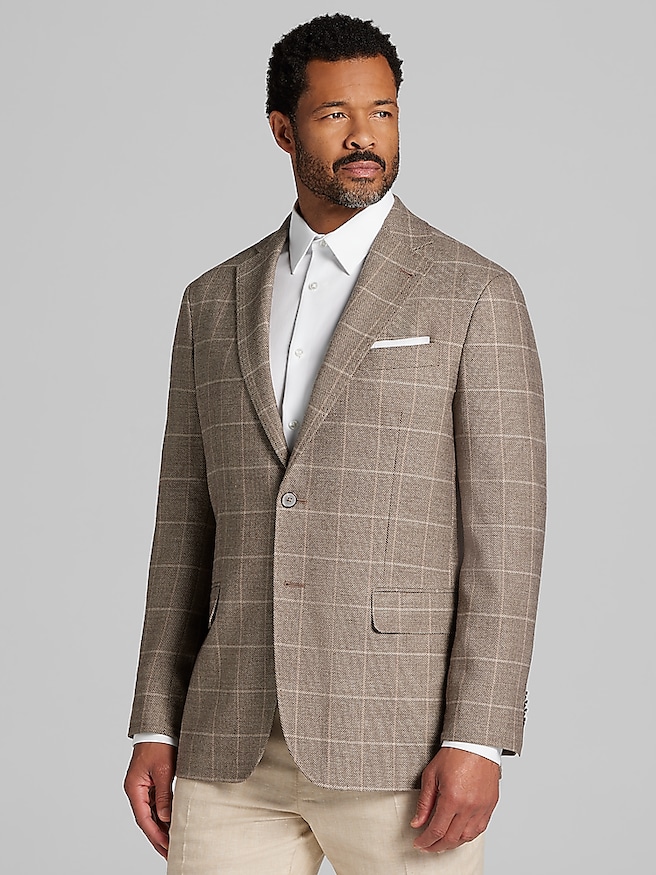
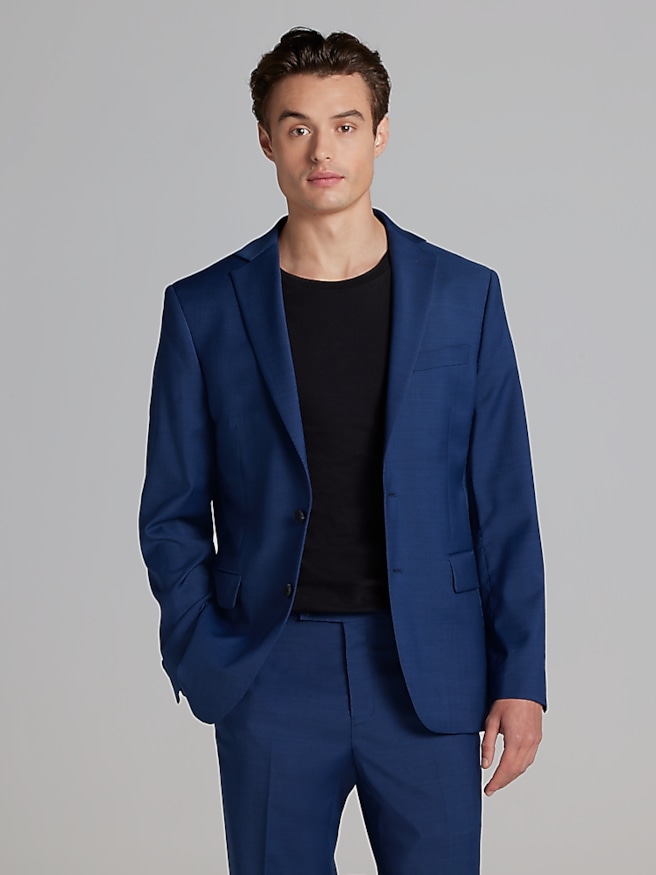
Men’s spring dress coats bring a tailored finish to suits, dress pants, and polished everyday outfits without the weight associated with heavy winter outerwear. Their appeal lies in balancing a clean silhouette with enough coverage for a breezy ceremony entrance, an early commute, or the walk between a restaurant and a parking garage. A lightweight topcoat is an outer layer worn over a jacket or sweater, while a blazer or sport coat can serve as the outfit’s main tailored layer. That distinction matters when considering fabric, length, and how much room the garment needs underneath. Lightweight wool offers a refined surface, natural breathability, and good shape recovery, making it useful for dressier settings and repeated wear. Cotton brings a crisp, approachable character that works comfortably with chinos and less structured tailoring. Linen has an airy feel and visible texture; its characteristic creases are part of its relaxed appearance rather than a flaw. Blended fabrics can combine the qualities of several fibers, although the exact composition and construction determine how a coat feels and performs. A tightly woven fabric may help limit wind penetration, but neither a smooth finish nor a dressy appearance establishes that a garment is waterproof. Water resistance depends on the fabric, treatment, and construction specified for the coat. Inside, lining choices also influence comfort. A full lining creates a smooth surface over suit sleeves and knitwear, while partial lining or an unlined construction can reduce bulk and leave more of the fabric’s natural texture apparent. Lightweight does not necessarily mean thin or delicate: a well-constructed spring coat can have a substantial hand, neatly finished seams, and enough structure to hold its shape. The result is a layer that looks deliberate over business clothing yet remains comfortable when carried over an arm indoors. For spring occasions involving both indoor and outdoor spaces, that combination of manageable weight and a composed appearance makes dress coats especially practical.
Fit gives a spring dress coat much of its character. The shoulder line should look natural rather than extending noticeably beyond the body, with enough space for the clothing intended beneath it. An outer coat worn over a suit needs more room through the chest, upper arms, and back than a tailored jacket worn over a dress shirt. A smooth front when buttoned, lapels that lie flat, and a collar that rests close to the neck all contribute to a polished appearance. Tight horizontal creases around the closure or pulling across the upper back can interrupt that line, particularly when reaching for a steering wheel or settling into a chair. For outerwear, sleeves generally need to cover the jacket sleeves beneath; a blazer follows a separate convention, often leaving a small amount of shirt cuff visible. Length changes both the look and the experience of wearing the coat. A longer topcoat offers more coverage over a suit jacket and a traditional dress silhouette, while a shorter outer layer can feel less cumbersome when sitting or moving through a crowded reception. The hem should still work with the layers underneath rather than exposing an unintended strip of jacket. Single-breasted fronts create a straightforward vertical line, while double-breasted designs add overlap and a more pronounced tailored presence. Back vents provide room for a natural stride, and pockets are most flattering when they hold essentials without becoming overfilled. Navy, gray, tan, and muted earth tones coordinate easily with familiar suit and trouser colors; texture can add distinction without requiring a bold pattern. A subtle weave reads differently up close than across a room, lending interest to an otherwise restrained outfit. Related men’s formal spring jackets suit occasions when the tailored jacket itself is the finishing layer, rather than something worn beneath an outer coat. In either case, the strongest proportions allow the clothing to move comfortably while maintaining a clear, uncluttered shape.
Spring dress coats suit a range of occasions, from business meetings and graduation celebrations to weddings with time spent outside before the reception. At a wedding, an understated coat can complement the suit beneath without competing with the wedding party’s attire or the event’s dress code. For work, a coat with a smooth finish and restrained details provides continuity between a tailored outfit and the outer layer worn on the commute. More textured fabrics and softer construction can feel at home over a fine-gauge sweater, an open-collar shirt, and pressed trousers for dinner or a daytime celebration. The intended use also helps explain which details matter most: easy movement is valuable for frequent driving, while sufficient length and room over a jacket are important for someone who regularly wears a suit. As a gift for a graduate, partner, or family member, a dress coat is a personal wardrobe addition, especially when the recipient’s measurements, usual layers, and preferred colors are known. Care is equally important to how the garment looks over time. The sewn-in care label governs cleaning, since wool, cotton, linen, blends, linings, and applied finishes can require distinct treatment. Professional cleaning is appropriate when specified, and a coat should not be machine washed simply because its main fiber seems washable. Between cleanings, gentle brushing where suitable and airing in a ventilated space can help remove surface dust and everyday odors. A broad, shaped hanger supports the shoulders better than a narrow wire hanger, while emptied pockets help prevent stretching and distorted fabric. Damp outerwear benefits from drying naturally away from direct heat before storage. Secure buttons, cleanly finished buttonholes, reinforced pocket openings, and even seams are useful signs of careful construction, though fabric weight alone does not establish durability. With suitable care and a fit that accommodates regular movement, a spring dress coat can remain a dependable part of a polished wardrobe across many occasions, complementing familiar clothing without demanding an entirely new outfit.