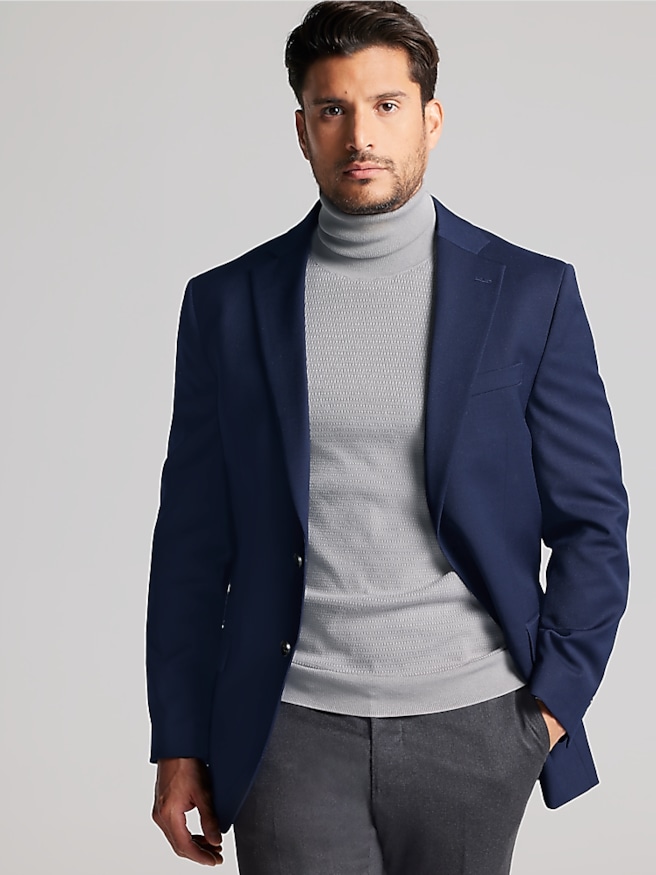
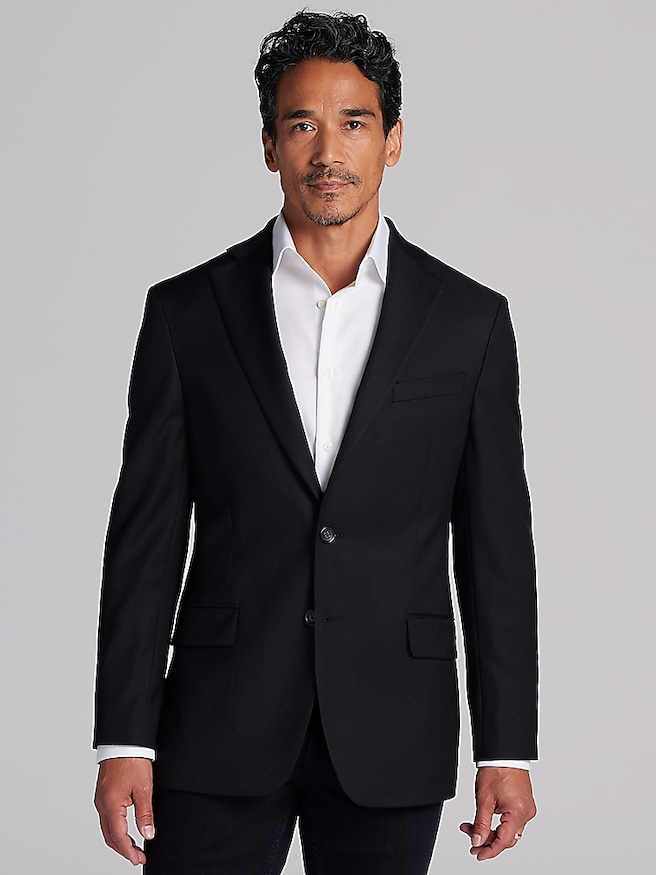
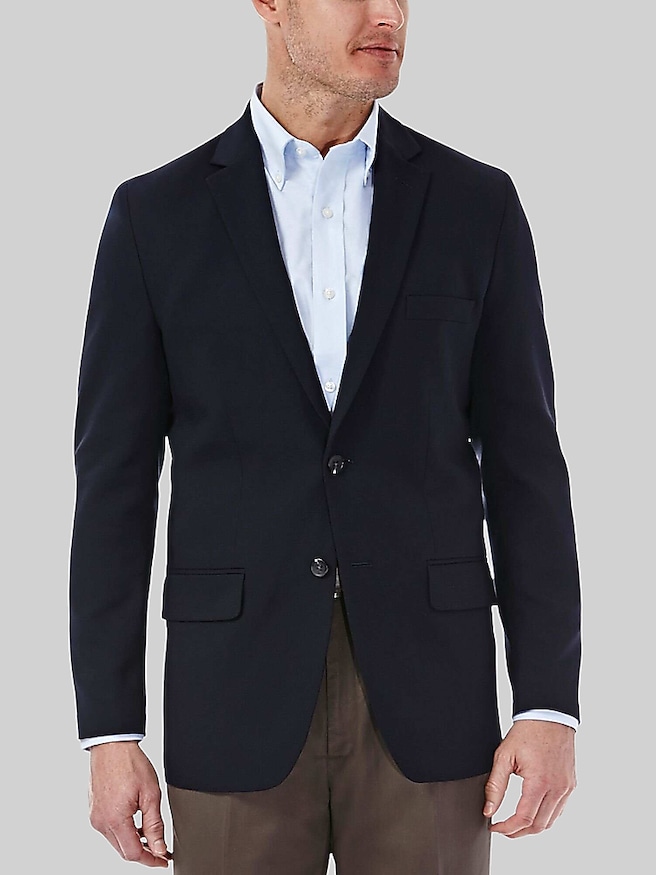
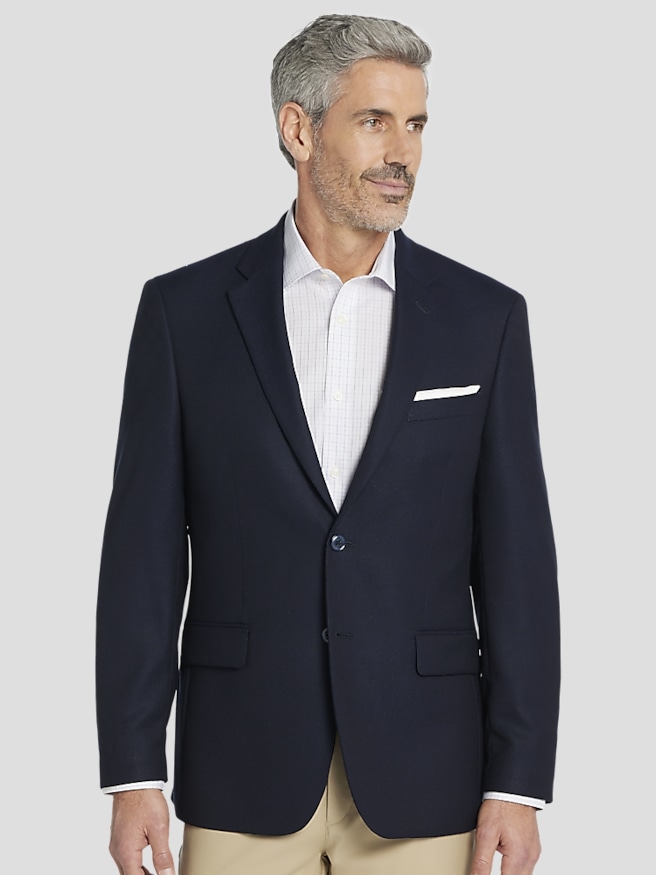
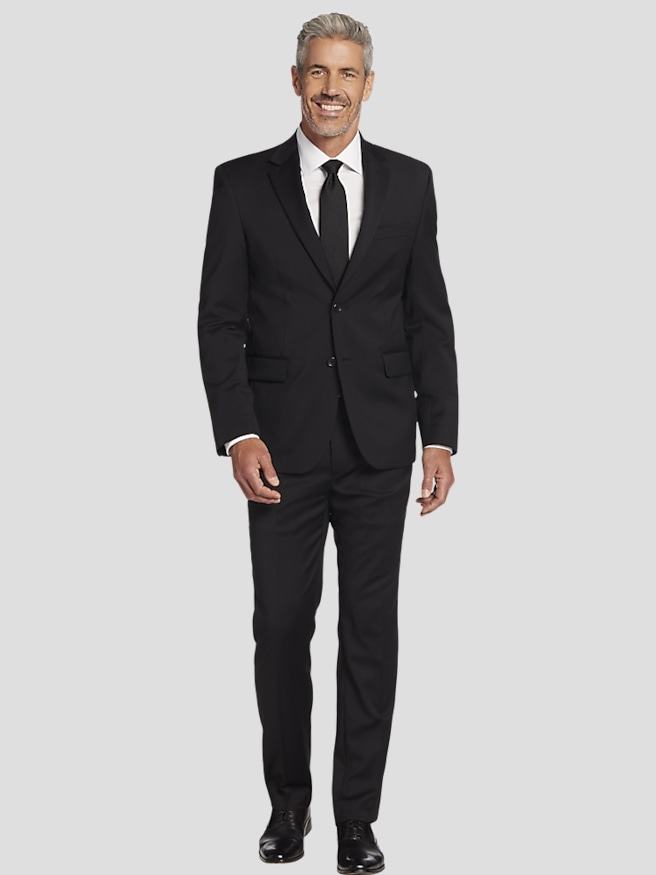
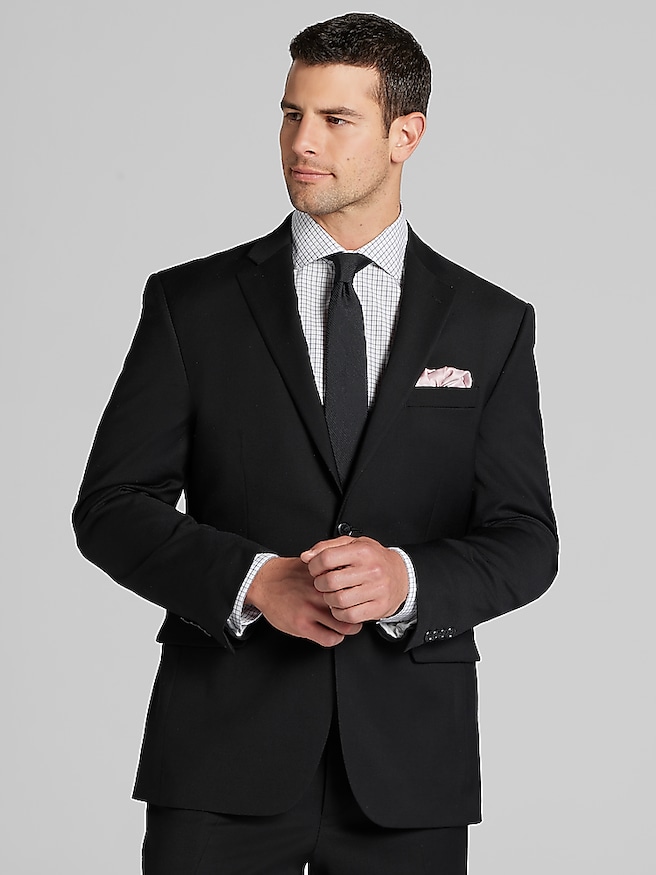
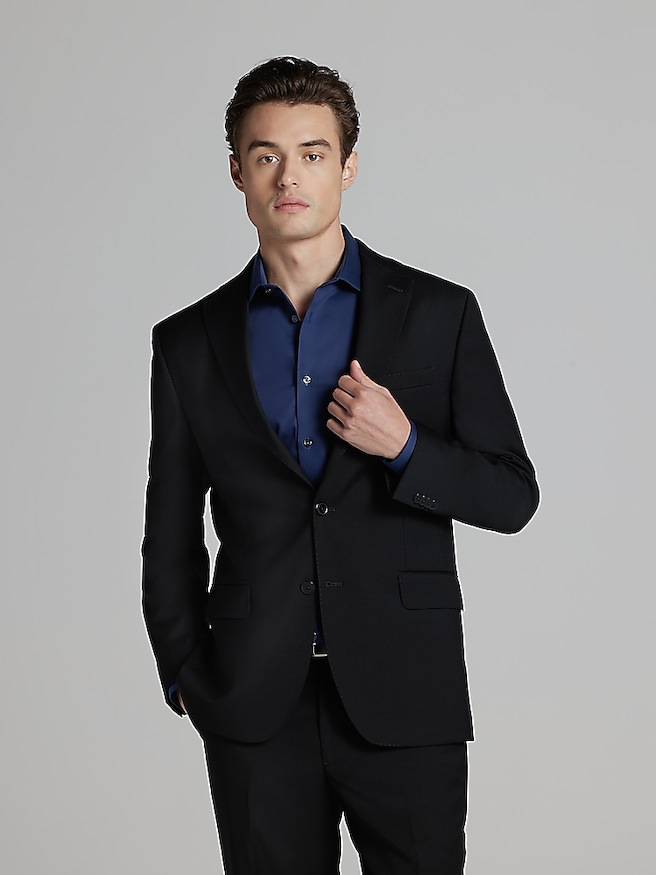
Men’s smart casual jackets combine the clean lines of tailoring with the comfort and flexibility of everyday clothing. They bring definition to an outfit without requiring a matching pair of pants or the formality of a full suit. A softly constructed blazer, textured sport coat, or streamlined casual jacket can make chinos and a knit polo feel appropriate for a client lunch, then work just as naturally over a plain T-shirt for dinner. The distinction is often in the details: a natural shoulder rather than pronounced padding, fabric with visible texture rather than a glossy finish, and pockets that feel useful rather than purely decorative. Patch pockets and subtle stitching can give tailored shapes a more relaxed character, while a neat collar and restrained hardware help less structured styles retain their polish. Materials play an equally important role. Wool can drape cleanly and recover well from ordinary creasing, while cotton offers a familiar feel and a more relaxed surface. Linen has a distinctive texture and an easy, lived-in appearance, with natural wrinkles that are part of its character. Blended fabrics can combine the qualities of several fibers, although their feel and care requirements depend on the exact composition. Knitted constructions generally have more give than tightly woven fabrics, making them appealing for days that involve sitting, walking, and moving between appointments. Fabric weight and construction affect how a jacket hangs, so a lighter, fluid cloth creates a different impression from a dense weave with a defined shape. Solid navy, charcoal, olive, tan, and brown provide a useful foundation, while subtle checks or a heathered surface add depth without dominating the outfit. The result is clothing that looks intentional but not ceremonial, suited to men who want a more finished alternative to an overshirt and a less formal alternative to a suit jacket. That middle ground makes these jackets especially useful for offices with flexible dress expectations, restaurant reservations, gallery visits, and gatherings where looking put together matters more than following a strict dress code.
Fit determines whether a smart casual jacket feels effortless or looks like a formal piece worn out of context. On tailored styles, the shoulder seam should generally sit close to the natural edge of the shoulder, with the fabric falling smoothly rather than forming a ridge or collapsing below it. The chest needs enough room for a shirt or fine-gauge knit without pulling across the front. When a buttoned jacket creates strong diagonal lines around the closure, the body may be too close-fitting; when the front hangs far away from the torso, the shape can lose definition. A comfortable fit allows the wearer to reach forward, sit at a table, and move through a normal day without repeatedly adjusting the sleeves or hem. Jacket length varies by design, with tailored styles typically extending farther over the seat and casual zip-front shapes often ending nearer the hip. Sleeve length also depends on the silhouette: a tailored cuff can leave a little shirt cuff visible, while a casual jacket should meet the wrist cleanly without covering the hand. These proportions matter more than the size printed on a label. The clothes underneath influence the result, too. A button-down shirt and flat-front chinos keep the look composed for a workplace presentation, especially when the jacket has a soft shoulder and an understated pattern. Dark, evenly colored jeans and a fine-knit polo create a more relaxed combination for a dinner reservation without making the jacket seem disconnected from the rest of the outfit. Clean leather sneakers can support an informal look, while loafers or simple lace-up shoes make it feel more polished. Contrasting the jacket with the pants usually looks more deliberate than choosing two nearly matching fabrics that resemble an incomplete suit. Texture can provide that contrast even when the colors are close: a subtly grained jacket over smooth cotton pants has depth without needing a bold print. For travel or a full day away from home, accessible pockets, a smooth lining, and enough ease through the back become practical advantages rather than minor finishing details.
Construction and care help determine how well a jacket maintains its appearance through repeated wear. Even stitching, secure buttons, smoothly finished pocket openings, and a lining that lies flat are useful signs of careful assembly. Areas that experience frequent movement, including the underarms, elbows, and pocket edges, deserve particular attention. A small amount of stretch can improve ease, but it does not replace a suitable cut, and the fabric should return to shape rather than remain stretched at the elbows. Fully lined jackets can slide easily over a shirt, while partial linings leave more of the interior construction exposed and can create a less structured feel. Neither approach is automatically better; the right choice depends on the fabric, silhouette, and intended use. Care should always follow the garment label, since jackets that look similar may need very different treatment. Some cotton or knit designs may permit washing, while structured jackets often require professional cleaning to protect their shape and internal components. A broad hanger supports the shoulders between wears, and emptying the pockets helps prevent stretching or distortion. A suitable garment brush can lift surface dust from many woven fabrics, while prompt attention to marks reduces the temptation to scrub or apply an unsuitable cleaner. Giving a jacket space in the closet also helps protect its shape. For someone building a smaller, versatile wardrobe, a restrained color and comfortable cut can be more useful than an elaborate pattern that works with only one outfit. As a gift, a smart casual jacket is especially thoughtful when the recipient’s measurements, preferred fit, and typical dress habits are known. Someone who spends the day at a desk may appreciate an easy-moving knit, while someone who enjoys dressed-up dinners may prefer the definition of a softly tailored sport coat. Within the broader category of Stylish Men's Jackets, smart casual designs earn their place through that balance of useful construction, adaptable styling, and a polished appearance that still feels comfortable to wear.